Indian Educational Toy Brands for Christmas Gifts
With Christmas around the corner, many Indian parents are actively searching for thoughtful gifts that not only bring joy but also nurture their child's development. Selecting high-quality Indian educational toy brands offers a fantastic opportunity to provide children with engaging, sustainable, and culturally relevant learning experiences. This year, the focus is increasingly on local craftsmanship and eco-conscious choices, aligning perfectly with the values of many families.
Indian educational toy brands are dedicated to creating products that foster a child's natural curiosity and cognitive growth. This commitment extends beyond mere play, supporting a philosophy of conscious consumption that resonates deeply with families across Bengaluru and beyond. When choosing these brands, you're investing in products designed to last and inspire.
What Makes Indian Educational Toy Brands Special?
An Indian educational toy brand is a company that designs and manufactures toys within India, often incorporating local materials, traditional craftsmanship, and pedagogical principles like Montessori. This matters because these brands offer culturally resonant and sustainable alternatives to mass-produced imports, providing children with tools that reflect their heritage while promoting learning. Indian parents can confidently choose these brands to support local artisans and ensure their children play with safe, thoughtfully designed items.
Why Choose Made in India Educational Toys This Christmas?
The call for thoughtful and sustainable choices this festive season is louder than ever, echoed in publications like 'The Better India' highlighting innovative Indian toy makers. Choosing Made in India educational toys means opting for products often crafted from natural materials like sustainably sourced wood, organic cotton, or recycled components. This not only reduces environmental impact but also introduces children to the beauty and texture of natural elements, a core tenet of Montessori education.
Beyond sustainability, these brands infuse cultural relevance into their designs, creating Christmas gifts India will truly cherish. Imagine a child engaging with a wooden puzzle depicting Indian folk art or an activity kit inspired by traditional festivals. Such toys connect children to their roots, offering a unique blend of modern educational philosophy and rich cultural heritage that imported toys often miss.
Furthermore, supporting local Indian educational toy brands means empowering local artisans and small businesses. This direct contribution helps preserve traditional crafts and ensures fair wages for skilled craftspeople, a practice that builds stronger communities. It's a powerful way to teach children about the value of local enterprise and ethical consumption from a young age, long before they grasp complex economic theories.
Montessori Principles Woven into Indian Craftsmanship
Child development experts agree that the best learning happens through hands-on exploration. Maria Montessori's philosophy, emphasizing self-directed activity, practical learning, and collaborative play, finds a natural home in the offerings of many Indian toy brands. These companies often produce toys from natural, tactile materials that engage multiple senses, encouraging children to discover concepts like texture, weight, and balance independently.
In Indian homes, especially joint families, toys that encourage open-ended play are invaluable. They become shared resources, fostering cooperation and communication as siblings and cousins build, imagine, and create together. Toys like building blocks, stacking rings, or sorting games provide endless possibilities, allowing children to lead their play and develop critical thinking skills, patience, and creativity.
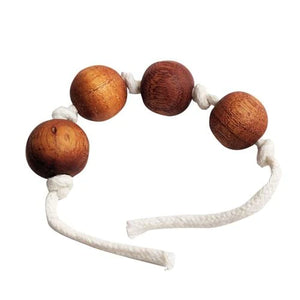
Whether it's developing fine motor skills with a set of wooden lacing beads or enhancing problem-solving abilities with a complex wooden puzzle, Indian brands provide effective tools. SkilloToys offers a wide range of such materials, from engaging puzzles that challenge young minds to diverse activity kits designed to ignite creativity and hone specific skills, all aligned with educational best practices.
Selecting Sustainable Indian Toys for Every Age
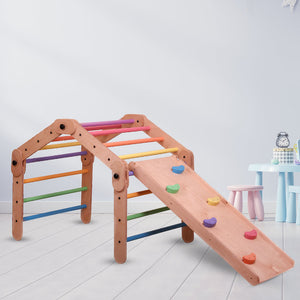
When choosing sustainable Indian toys, age-appropriateness is key to maximizing engagement and developmental benefit. For toddlers (1-3 years), look for robust, non-toxic wooden toys that promote sensory exploration and gross motor skills, like push toys, simple shape sorters, or large stacking blocks. These items are designed to withstand enthusiastic play and offer foundational learning.
Gifts for Toddlers (1-3 Years)
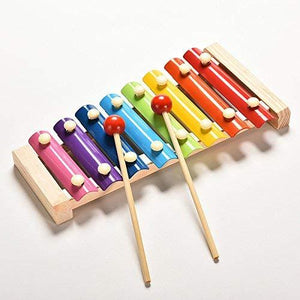
For children in this age group, gifts that encourage sensory development and basic problem-solving are ideal. Consider sturdy wooden rattles, simple peg puzzles, or large stacking rings that help develop hand-eye coordination and spatial awareness. The goal is to provide safe, durable items that invite exploration and discovery, much like the sensory bins common in Montessori classrooms.
Gifts for Preschoolers (3-6 Years)
As children grow, their cognitive abilities expand rapidly. For preschoolers, choose toys that foster fine motor skills, early literacy, and numeracy. Examples include wooden lacing toys, more complex puzzles, pattern blocks, or simple wooden abacuses. These gifts support concentrated work and the development of focus, preparing them for formal schooling in a playful way.
Research indicates that engagement with well-designed educational toys significantly boosts cognitive flexibility and creativity in young children. When selecting toys, look for brands that clearly state their materials and safety certifications. This ensures you are providing not just an educational toy, but a safe and durable companion for your child's learning journey. Explore our comprehensive collection of Montessori learning materials and toys for ideas.
This Christmas, choosing from Indian educational toy brands allows you to gift more than just an object. You are giving a piece of sustainable craftsmanship, a connection to cultural values, and a tool for meaningful learning. It's a decision that benefits your child, local communities, and the planet, embodying the true spirit of thoughtful giving.