Montessori Doll House: Choosing Guide for Parents
Choosing the perfect Montessori doll house is a profound investment in a child's developmental journey, offering much more than mere entertainment. This guide helps Indian parents select a doll house that nurtures imagination, practical life skills, and independent play, ensuring a truly enriching experience for their little ones. With thoughtful consideration, you can find a toy that resonates with your child's evolving needs and your family's values.
As families increasingly seek thoughtful, sustainable toys for occasions like Christmas and other festivals, a well-chosen doll house stands out. Reputable Indian brands, like those highlighted by The Better India, are making strides in offering products that align with conscious gifting. This choice ensures children receive a toy that stimulates growth and lasts for years, rather than a fleeting trend.
What is a Montessori Doll House?
A Montessori doll house is a specially designed play environment that adheres to the educational philosophy of Dr. Maria Montessori, focusing on child-led exploration and practical life activities. This matters because it provides children with a miniature, realistic world to manipulate, fostering independence, problem-solving, and a deep understanding of their surroundings. Indian parents can confidently choose these doll houses to support their child's holistic development, integrating purposeful play into daily routines.
Unlike conventional doll houses that often prioritize elaborate aesthetics, a Montessori-aligned educational doll house is characterized by its simplicity, realism, and open-ended design. Its purpose is to invite children to engage meaningfully, rather than just observe. This approach ensures that the play experience is enriching and developmentally appropriate for all ages.
Why Choose an Educational Doll House for Kids?
Opting for an educational doll house for kids provides a powerful platform for holistic development, extending far beyond simple fun. Research shows that engaging with miniature worlds significantly boosts cognitive and social skills. Child development experts agree that these toys serve as vital tools for nurturing essential life competencies, making them a cornerstone of early learning.
One of the primary benefits of doll house play is the enhancement of fine motor skills. As children arrange tiny furniture, dress dolls, or manipulate small accessories, their hand-eye coordination and dexterity improve significantly. This precision is crucial for developing foundational skills needed for writing, drawing, and other daily tasks, preparing them for future academic challenges.
Furthermore, doll house play is a rich environment for language development and social-emotional growth. Children naturally narrate scenarios, create dialogues, and act out various roles, which expands their vocabulary and comprehension. Studies indicate that imaginative play, particularly with doll houses, helps children process emotions, understand social cues, and practice empathy by stepping into different perspectives within a safe, controlled setting.
It's not just for younger children; as publications like The New York Times suggest for 9-year-olds and Good Housekeeping for 7-year-olds, children are ready for more 'grownup' and engaging presents. A versatile doll house can evolve, offering complex storytelling and problem-solving opportunities that continue to challenge and delight older children.
Key Montessori Principles in Doll House Play
A Montessori principles doll house is meticulously designed to align with core educational tenets, emphasizing independence, practical life skills, and sensory exploration. These principles guide children toward self-discovery and a deeper understanding of their world. The environment is prepared to facilitate spontaneous learning and self-correction, which are hallmarks of the Montessori method.
Firstly, the principle of practical life is central. Children use the doll house to mimic daily activities they observe in their own homes, such as cooking, cleaning, or caring for family members. This imitation helps them internalize routines and develop a sense of responsibility and order, crucial for their integration into family and community life, especially in busy Indian households.
Secondly, independence is fostered through the doll house's accessible and open-ended design. Children can freely choose their play scenarios, arrange elements as they wish, and explore consequences without adult intervention. This self-directed play builds confidence and strengthens their decision-making abilities, empowering them to become active participants in their learning journey.
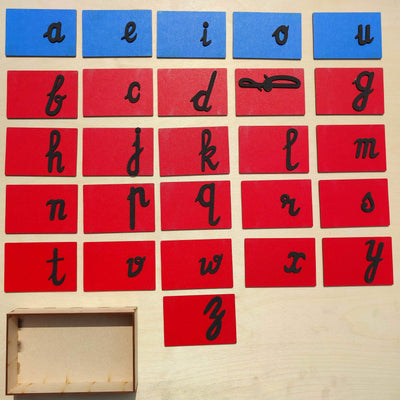
Finally, sensory exploration is encouraged through natural materials and realistic details. A wooden doll house with simple, tactile furniture allows children to engage multiple senses. This sensory input is vital for brain development, helping them form connections and categorize information about their environment, much like learning with Montessori materials such as the pink tower or sandpaper letters.
How to Choose the Right Montessori Doll House
Selecting the right doll house involves careful consideration of several factors to ensure it serves as a truly educational tool and a cherished possession. This guide on how to choose doll house will help you make an informed decision for your child, whether for a birthday or a festive gift.
Age-Appropriateness and Developmental Stage
When selecting a doll house, consider your child's age and developmental stage. For toddlers (18-36 months), a simpler, sturdy doll house with larger, chunky furniture is ideal to prevent choking hazards and allow for easy manipulation. For children aged 3-6 years, more detailed accessories and rooms can encourage complex imaginative play and storytelling. An adaptable design ensures the doll house grows with your child.
Material and Durability
The best educational doll house for kids is typically crafted from natural, non-toxic materials, with wood being the most preferred choice. Wooden doll houses offer exceptional durability, ensuring they withstand years of enthusiastic play, often being passed down through generations in Indian families. Always check for smooth finishes, rounded edges, and non-toxic paints or varnishes to ensure safety and longevity.
Scale and Accessibility
A key feature of a quality Montessori doll house is its accessible and open design. Look for houses with open fronts or backs, and rooms that are easy for small hands to reach and arrange. The scale of the doll house and its furniture should be proportionate to the size of the dolls and accessories, making it easy for children to grasp and manipulate. This design encourages continuous engagement and prevents frustration.
Furniture and Accessories
The furniture and accessories within a Montessori doll house should be realistic, simple, and functional. Avoid overly detailed or fantastical pieces that limit imaginative scope. Instead, opt for miniature versions of everyday items found in an Indian home – a small kitchen set, a prayer corner, or a dining table. These encourage practical life skills and realistic role-play. Consider pairing it with other engaging items like activity kits or puzzles for extended learning.
Aesthetics and Simplicity
True to Montessori principles, the aesthetics of the doll house should be calming and uncluttered. Natural wood finishes, soft colours, and a minimalist design allow the child's imagination to fill in the details, rather than being overwhelmed by busy patterns or bright, artificial hues. Simplicity ensures the focus remains on the child's interaction and creativity, not the toy itself.
Integrating Doll House Play into Indian Homes
A Montessori doll house fits seamlessly into the vibrant, often multi-generational fabric of Indian homes. It can be a wonderful tool for children to enact scenes from festivals, family gatherings, or daily routines, helping them understand their cultural context and roles within the family unit. Parents can encourage play that reflects real-life scenarios, from preparing for Diwali to hosting a guest, fostering a deep connection to their heritage.
Place the doll house in an accessible area where children feel free to play independently, yet close enough for family members, including grandparents, to engage and share stories. This encourages shared experiences and strengthens familial bonds, providing opportunities for rich verbal interaction. Explore our full range of Montessori Method Learning Materials & Toys to find complementary pieces for a complete play environment.
- Montessori doll houses prioritize open-ended play and practical life skill development.
- They foster imagination, fine motor skills, language acquisition, and social-emotional growth.
- Selection criteria include natural materials, age-appropriateness, accessible design, and realistic accessories.
- Wooden, open-concept doll houses encourage independent and self-directed exploration for children.
- Integrating doll house play supports a child's understanding of their family and cultural roles.
- Such toys offer sustained engagement and evolve with a child's developmental stages, making them a thoughtful, sustainable gift.
What is the ideal age to introduce a Montessori doll house?
A Montessori doll house can be introduced around 18-24 months for simple exploration, with more complex imaginative play developing from 3-6 years. The key is to choose an age-appropriate design and accessories that match the child's developmental stage and abilities.
How does a Montessori doll house differ from a regular doll house?
A Montessori doll house differs by emphasizing realism, simplicity, and functionality to promote practical life skills and independent play. Unlike many regular doll houses, they typically feature open designs, natural materials like wood, and realistic, uncluttered accessories that encourage purposeful interaction and learning.
What are the key benefits of doll house play for child development?
Doll house play offers numerous benefits, including enhancing fine motor skills through manipulating small objects, fostering language development as children narrate scenarios, and boosting social-emotional skills through role-playing family dynamics. It also ignites imagination and problem-solving abilities as children create their own stories and worlds.
Are Montessori doll houses suitable for joint family settings?
Yes, Montessori doll houses are highly suitable for joint family settings as their open-ended nature encourages collaborative play and sharing among siblings and cousins. They can also become a focal point for intergenerational interaction, with grandparents often enjoying storytelling and engaging with children during play.
What materials should I look for when buying an educational doll house?
When buying an educational doll house, prioritize natural and sustainable materials like solid wood, plywood, or eco-friendly composites. These materials ensure durability, safety, and a sensory-rich experience for the child, aligning with Montessori principles that value natural elements over plastic.