Telugu Letters with Pictures: Montessori Fun for Kids
Learning Telugu letters with pictures can be a delightful journey of discovery for young minds. Research from the Harvard Center on the Developing Child consistently highlights that multi-sensory engagement significantly boosts early language acquisition, making hands-on methods for the Telugu alphabet particularly effective. This approach allows children to connect sounds, shapes, and meanings intuitively, laying a strong foundation for their mother tongue.
For many Indian families, especially those living in bustling cities like Bengaluru, ensuring children connect with their cultural roots and regional languages is a high priority. Yet, the pressure of English-medium schools often pushes mother tongue learning to the sidelines or into rote memorisation. Montessori-inspired methods offer a refreshing alternative, transforming language learning into an interactive and joyful experience.
What are Montessori-Inspired Telugu Letter Materials?
Montessori-inspired Telugu letter materials are educational tools designed to teach the Telugu alphabet through sensory, hands-on interaction. This matters because children learn best by doing and experiencing, not just by memorizing. Indian parents can easily integrate these resources to make learning their regional language a joyful, self-paced activity at home.
Why Montessori Works for Learning Telugu for Kids
Child development experts agree that children aged 3-6 years are in a sensitive period for language acquisition, absorbing information like sponges. Maria Montessori's approach capitalises on this by linking abstract symbols (letters) to concrete, sensory experiences. Instead of merely seeing a letter on a page, a child might trace its shape, feel its texture, and associate it with a familiar sound and image.
Consider a 4-year-old in a joint family in Hyderabad. Traditional methods might involve repeating a letter, but a Montessori-aligned approach introduces the letter 'అ' (a) by having them trace a sandpaper letter, simultaneously saying the sound, and then placing it next to a picture of 'అమ్మ' (Amma - mother). This multi-sensory input – visual, auditory, and tactile – solidifies the learning process, making it deeply engaging and memorable. Studies indicate that this method significantly improves retention compared to visual-only learning.
Essential Montessori Telugu Materials for Home
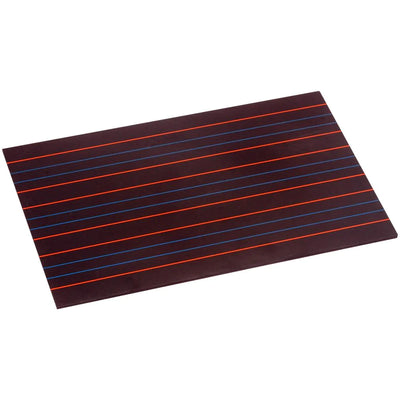
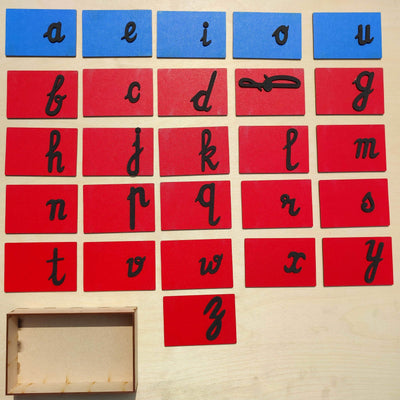
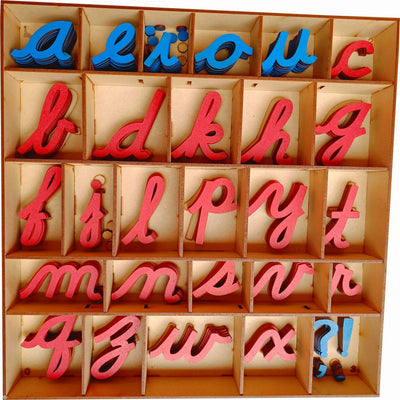
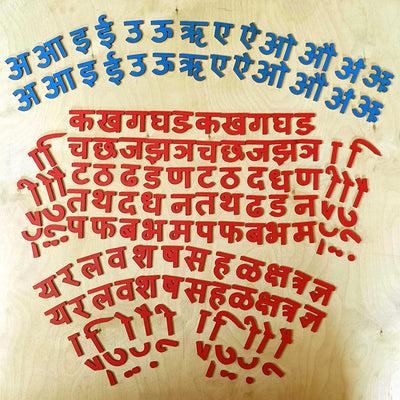
Bringing Montessori into your home doesn't require a dedicated classroom; simple, well-chosen materials make all the difference for children learning their regional script. Sandpaper Telugu letters, for instance, provide a tactile experience where children can feel the form of each letter before writing it. Movable Telugu alphabets allow children to construct words phonetically, transitioning from individual letter recognition to early word building.
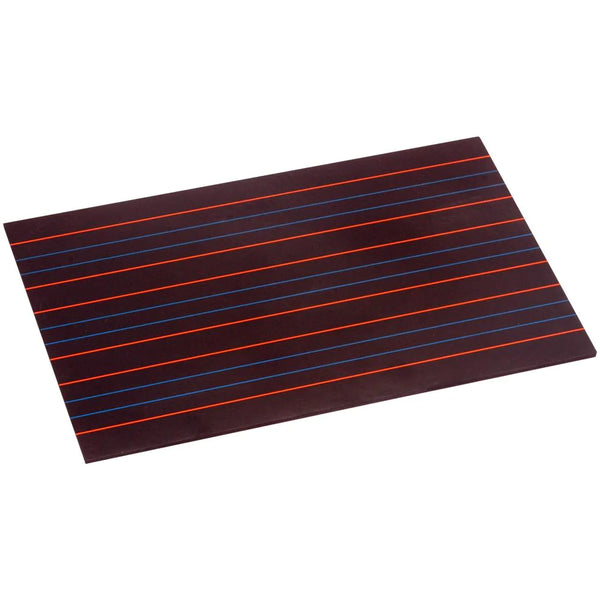
Beyond these, look for high-quality activity kits that include tracing boards or magnetic letter sets for Telugu. These materials are not just toys; they are tools that empower children to learn at their own pace, fostering independence and a love for their language. A study published by the National Association for the Education of Young Children found that hands-on manipulative materials are crucial for developing pre-reading skills in young children.
Creating Engaging Telugu Learning Spaces with Educational Toys
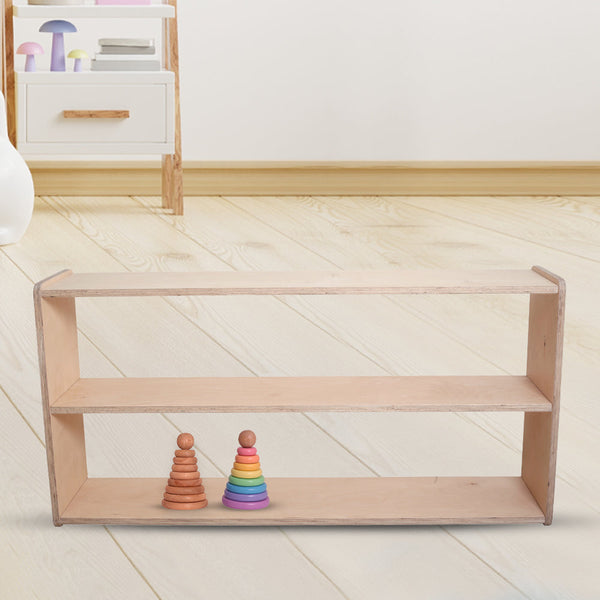
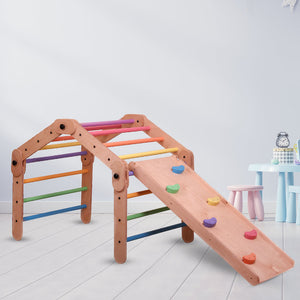
The "prepared environment" is a cornerstone of Montessori philosophy. For Telugu learning, this means designating a small, accessible space at home where educational toys and materials are neatly arranged. Imagine a low shelf with wooden Telugu puzzles, bright flashcards, and a small mat for spreading out components.
Such a space, perhaps in the living room where grandparents often spend time, invites a child to explore independently. It signals that learning Telugu is valued and accessible, encouraging self-directed play. High-quality puzzles featuring Telugu letters and corresponding pictures can be particularly effective, blending play with concrete learning and enhancing fine motor skills. This isn't about expensive items; it's about thoughtful selection and presentation.
Making Telugu Flashcards for Kids Fun and Effective
While often associated with rote memorisation, Telugu flashcards for kids can be transformed into dynamic learning tools within a Montessori framework. Instead of simply flashing and asking for recall, pair flashcards with real objects or sensory activities. For example, show a flashcard with 'ఆవు' (Aavu - cow) and then have the child draw a cow or make its sound.
Create thematic sets of flashcards, perhaps focusing on "festival foods" or "family members," making the learning culturally resonant. The key is to make flashcards interactive, perhaps by hiding them for a "letter hunt" or using them in a matching game. This playful engagement, rather than pressure, makes learning enjoyable and effective, moving away from dry memorisation that many Indian children face with academic subjects.
Nurturing Early Literacy: The Broader Impact of Telugu Alphabet for Kids
Beyond simply recognising letters, early exposure to the Telugu alphabet for kids in a meaningful way has profound cognitive benefits. Children who learn their mother tongue simultaneously with other languages often develop greater cognitive flexibility and problem-solving skills. It also instills a strong sense of cultural identity and pride, connecting them to their heritage, stories, and family traditions.
This early literacy journey, supported by engaging materials and a nurturing environment, is not just about academic readiness. It's about empowering children, like a 5-year-old Maya in Chennai, to confidently express themselves in their mother tongue, understand the rich literature of their culture, and connect with their grandparents in a deeper way. It prepares them for a lifetime of learning and appreciating linguistic diversity. For a wide range of Montessori-aligned resources for holistic development, explore our main collection of Montessori learning materials and toys.
The traditional Indian practice of tracing letters in sand or on a slate is, in essence, an early form of Montessori's tactile learning, proving that these methods resonate deeply with our cultural approach to education, even if not explicitly named 'Montessori'. By embracing these proven, hands-on techniques, parents can ensure their children not only learn Telugu but truly love it.