Traditional Bengali Educational Toys: A Montessori Makeover
Traditional Bengali educational toys are experiencing a vibrant renaissance, aligning beautifully with modern child development philosophies like Montessori. This surge of interest isn't just about nostalgia; it's a recognition of their profound educational value for young children across India. Recently, news about Bengal's traditional toys getting a modern makeover, coupled with Raima Sen recalling her grandmother Suchitra Sen's thoughtful gift, has sparked a conversation among parents and educators.
Traditional Bengali educational toys are handcrafted playthings, typically made from sustainable materials like wood, clay, or cloth, originating from Bengal's rich artisan heritage. This matters because they offer tactile, sensory, and culturally immersive experiences. Indian parents can connect their children with their roots while fostering critical developmental skills.
The Timeless Appeal of Bengal Traditional Toys for Learning
The inherent educational value of Bengal traditional toys lies in their simplicity and open-ended nature. Unlike many contemporary toys that dictate play, these heritage items invite children to imagine, explore, and create their own narratives. Think of the intricate wooden dolls from Natungram, or the vibrant clay figures from Krishnanagar; they aren't just decorative but serve as powerful tools for storytelling and imaginative play.
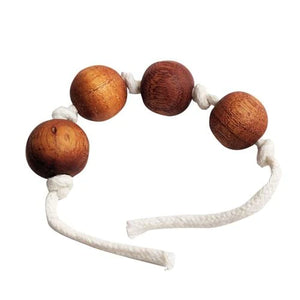
Child development experts emphasize the importance of open-ended play for fostering creativity and problem-solving skills. When a child, say, 4-year-old Anika in Bengaluru, plays with a set of traditional Bengali wooden kitchen utensils (Haat Baksho), she isn't just mimicking; she's engaging in practical life skills, refining fine motor coordination, and developing social understanding through role-play. This echoes Maria Montessori's emphasis on purposeful activity and hands-on learning.
Modern Montessori Makeover India: Bridging Heritage and Pedagogy
The modern Montessori makeover India is witnessing isn't about radically changing these toys, but rather highlighting their existing developmental strengths. It involves subtle design refinements, improved safety standards, and thoughtful presentation to make them appealing and accessible for today's discerning parents. For instance, a traditional wooden puzzle (kathputli puzzle) can be redesigned with smoother edges and non-toxic, child-safe paints, making it perfect for a 3-year-old learning about shapes and sequences.
Research indicates that exposure to diverse cultural materials enriches a child's understanding of the world and promotes cognitive flexibility. By integrating these heritage toys into a Montessori-aligned environment, parents provide materials that intrinsically support concentration, independence, and respect for culture. Our Montessori activity kits often draw inspiration from such traditional elements, offering curated experiences that are both fun and enriching.
Suchitra Sen's Legacy and Thoughtful Gifting
The anecdote of Suchitra Sen gifting traditional toys to her granddaughter Raima Sen beautifully illustrates the intergenerational power of heritage items. A Suchitra Sen toy gift, even if simple, carried immense cultural weight and personal connection. In many Indian joint families, grandparents are pivotal in transmitting cultural values, and what better way than through tangible, traditional playthings?
Choosing such gifts goes beyond momentary joy; it's an investment in a child's cultural identity and an ode to sustainable practices. Imagine a grandparent in Kolkata explaining the story behind a particular Pattachitra-inspired wooden toy to their grandchild, fostering a bond and a love for their heritage simultaneously. These aren't just toys; they are stories waiting to be told and retold.
Indian Heritage Toys for Kids: More Than Just Playthings
For parents seeking authentic Indian heritage toys for kids, especially in a bustling city like Bengaluru, traditional Bengali options offer a unique blend of artistry and education. Terracotta animal figures (Ghurni doll) or woven fabric dolls (Kanthar putul) aren't merely playthings; they are tactile representations of local culture, encouraging imaginative play and fostering a connection to nature and crafts. Playing with these builds a child's understanding of their environment.
These toys excel in developing fine motor skills and hand-eye coordination. A set of wooden stacking blocks or simple puzzles, inspired by Bengal's rich folk art, provides practical challenges that strengthen small muscles in the hands and promote problem-solving. Such engagements are crucial for school readiness, preparing children for tasks like writing and drawing.
Montessori Cultural Toys: Nurturing Global Citizens with Local Roots
Incorporating Montessori cultural toys, particularly those with a Bengali heritage, allows children to explore their identity and appreciate diversity from a young age. These materials offer concrete experiences that help children understand their place within their family, community, and the wider world. A child manipulating a traditional wooden toy bird from Midnapore is not just playing; they are engaging with history, art, and the skills of artisans.
Maria Montessori believed that children thrive when given purposeful activities that allow for independent exploration and concentration. Traditional Bengali toys, with their simple designs and focus on natural textures, inherently support these principles. They invite children to delve deep into an activity, building focus and self-reliance, which are cornerstones of the Montessori philosophy. Explore our diverse range of Montessori method learning materials for more culturally enriching options.
Choosing traditional Bengali educational toys for your child is a beautiful way to blend heritage with holistic development. These timeless treasures offer a unique pathway to learning, fostering creativity, cultural pride, and essential skills that will benefit your child for years to come. Look for toys made from natural, non-toxic materials and encourage open-ended play to truly unlock their educational potential.