Wooden Puzzles for Kids: Montessori Fun & Learning
Wooden puzzles for kids are exceptional educational tools, meticulously designed to foster cognitive development, fine motor skills, and problem-solving abilities from a young age. Research shows that engaging with these tactile, self-correcting toys, especially those inspired by Montessori principles, significantly enhances a child's concentration and spatial reasoning, offering a screen-free learning experience highly valued by Indian parents today.
A wooden puzzle is a classic educational toy made from natural wood, featuring interlocking pieces that fit together to form a picture or shape. This matters because it provides a tangible, multi-sensory learning experience, promoting logical thinking and persistence without overstimulation. Indian parents can confidently introduce these puzzles to encourage focused, independent play.
The Enduring Appeal of Wooden Puzzles: More Than Just Play
In homes across Bengaluru and beyond, where balancing academic pressures with creative play is a constant challenge, wooden puzzles stand out. They are not merely distractions; they are foundational learning materials. The satisfying feel of a smoothly sanded wooden piece in a child's hand, the quiet focus as they search for the right fit, and the burst of joy upon completion—these are moments of genuine learning.
Child development experts consistently recommend open-ended, natural material toys over passive screen time, citing improvements in sustained attention by as much as 30% in children aged 2-6. Unlike flashing lights or pre-programmed sounds, a wooden puzzle's simplicity demands active participation from the child, fostering imagination and internal motivation.
Montessori Wooden Puzzles: Nurturing Independent Minds
The philosophy of Maria Montessori champions toys that allow children to explore and learn at their own pace, fostering independence. Montessori wooden puzzles perfectly embody this spirit. They are often self-correcting, meaning a piece only fits in its correct spot, giving children immediate feedback without needing adult intervention. This empowers a child, like a curious 4-year-old Anya in Mumbai, to develop problem-solving strategies and self-reliance.
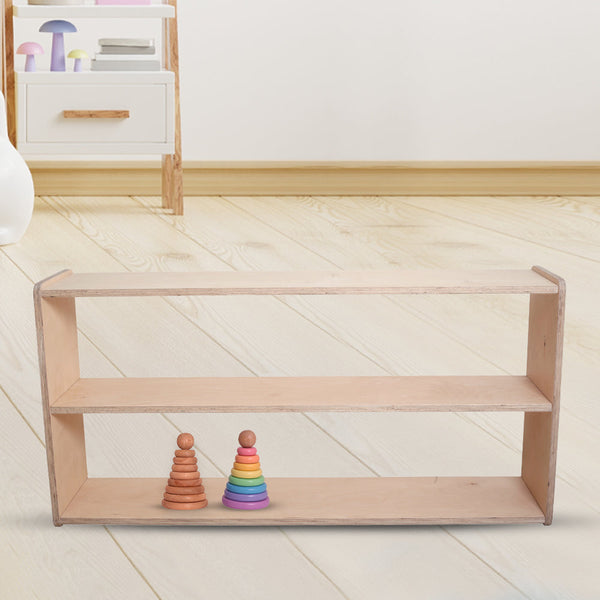
These educational wooden puzzles in India focus on specific concepts—be it geometric shapes, letter recognition, or identifying animals. They are designed to isolate a single difficulty, allowing the child to master one skill before moving to the next. This methodical approach builds a strong foundation for future learning, much like learning to stack the Montessori pink tower before tackling more complex block structures.
Benefits of Wooden Puzzles for Toddlers and Beyond
The advantages of engaging with puzzles begin early and continue to grow with your child. For toddlers, simple knob puzzles are excellent for developing the pincer grasp and hand-eye coordination. As they progress, the benefits multiply:
- Fine Motor Skills: Manipulating small pieces strengthens the muscles in fingers and hands, crucial for writing and drawing later on.
- Hand-Eye Coordination: Aligning pieces with their correct slots refines the connection between what the eyes see and what the hands do.
- Cognitive Development: Puzzles stimulate critical thinking, pattern recognition, and memory. Studies indicate that regular engagement with puzzles from ages 1-5 can improve spatial intelligence by up to 20% compared to children with less exposure to such activities.
- Problem-Solving: Each puzzle is a mini-challenge, encouraging children to experiment, strategize, and persist until they find the solution. This resilience is a vital life skill.
- Language Skills: Parents and grandparents, like Dadi in a joint family in Chennai, can name colours, shapes, and objects as children play, enriching vocabulary.
- Emotional Regulation: The quiet focus required for puzzles can be a calming activity, teaching patience and concentration in a world often filled with distractions.
Types of Wooden Puzzles for Children by Age
Choosing the right puzzle is key to sustained engagement. SkilloToys.com offers a diverse range of puzzles, ensuring there's a perfect fit for every stage of your child's development:
For Infants and Toddlers (6 months - 2 years)
Start with simple, large-piece wooden puzzles. Think chunky peg puzzles, shape sorters, or single-piece inset puzzles with large knobs. These are perfect for practicing grasping, placing, and basic shape recognition. They are robust enough to withstand exploratory chewing, which is common at this age.
For Preschoolers (2-4 years)
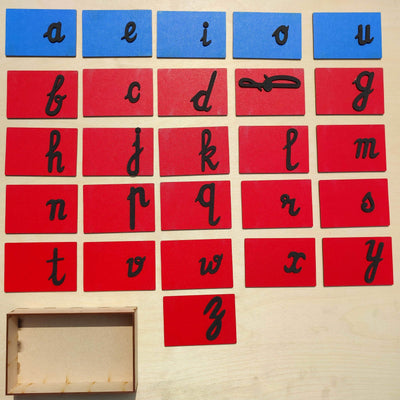
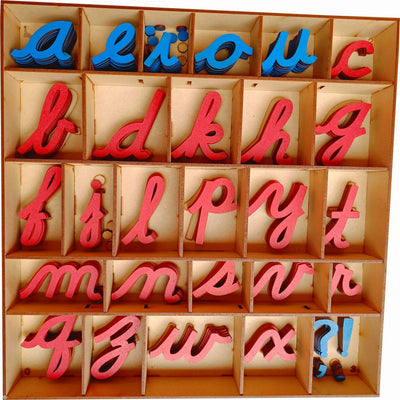
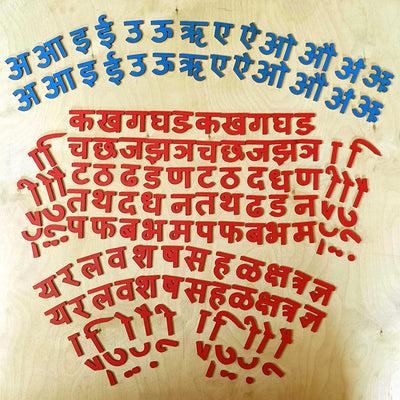
As fine motor skills develop, children are ready for multi-piece tray puzzles (3-12 pieces) with interlocking designs or themed puzzles featuring familiar animals, vehicles, or everyday objects. Letter and number puzzles made of wood are also excellent for early literacy and numeracy, preparing them for playschool.
For Early School Years (4-6+ years)
Children in this age group can tackle more complex wooden jigsaw puzzles with 20+ pieces, multi-layered puzzles, or geometric shape puzzles that challenge spatial reasoning. These puzzles often tell a story or depict intricate scenes, encouraging narrative development and extended periods of focus, aligning with school curriculum goals.
A Thoughtful Gift for Every Occasion in India
Wooden puzzles make for incredibly thoughtful and impactful gifts, whether it's for a birthday, Diwali, or just a special occasion. Instead of another electronic gadget, consider a beautiful wooden puzzle that invites focused, hands-on learning. They are gifts that truly contribute to a child's development, appreciated by parents who prioritize meaningful play over fleeting trends. Imagine a curious 7-year-old, inspired by the creative gifts seen on platforms like TODAY.com or Forbes, finding delight in assembling a challenging wooden map of India!
When selecting gifts, remember that the most valuable toys are those that encourage interaction, exploration, and problem-solving. A well-chosen wooden puzzle from SkilloToys can be a cherished heirloom, passed down through generations in Indian families, creating memories while building vital skills.
Bringing the Magic Home: Practical Tips for Parents
Introducing wooden puzzles into your child's routine is simple. Start with a few age-appropriate options, rotating them to maintain interest. Create a designated quiet space for puzzle play, perhaps a cozy corner in a compact Bengaluru apartment, to encourage concentration.
Sit with your child initially, offering gentle guidance rather than solving it for them. Celebrate their small victories – the successful placement of a single piece – to build confidence. Remember, the goal is not just to complete the puzzle, but to enjoy the process of discovery and learning that it offers. Explore our collection of activity kits and puzzles to find your child's next favorite learning adventure.