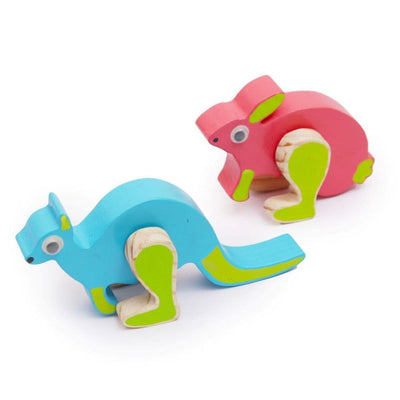
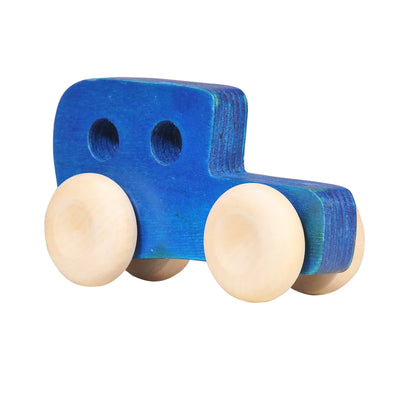
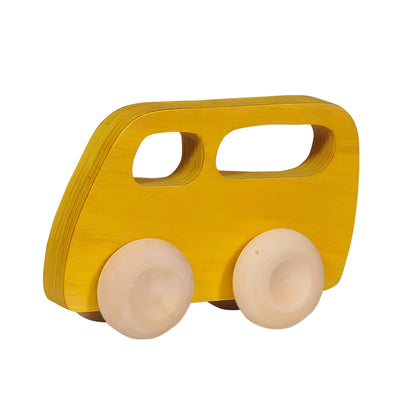
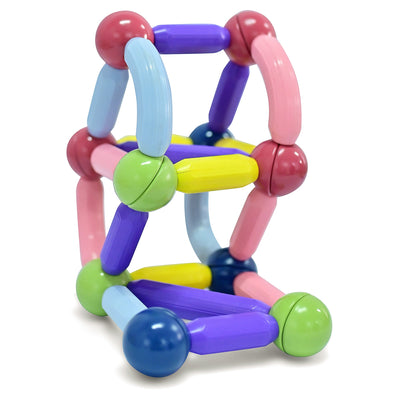
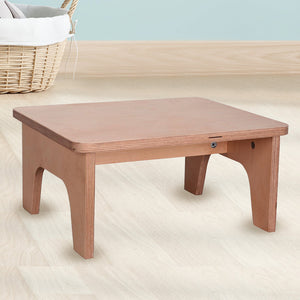
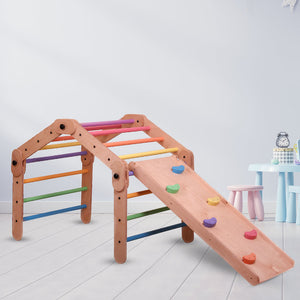
Educational Toys for Natural Play & Holistic Development
Wooden educational toys profoundly nurture natural, open-ended play for holistic child development by offering simple, tactile experiences that invite children to explore, create, and problem-solve without predetermined outcomes. Research shows that these minimalist toys foster creativity and independent thinking, crucial for a child's comprehensive growth, resonating with the Montessori philosophy prevalent in Indian early learning centres.
For eco-conscious Indian parents, choosing quality over quantity in toys is a commitment to their child's future. This guide will explore exactly how wooden educational toys inherently facilitate natural, open-ended play, leading to robust and well-rounded development.
What is Open-Ended Play and Holistic Child Development?
Open-ended play is a child-led exploration where toys have no single purpose, allowing children to invent their own rules and narratives. This matters immensely because it cultivates critical thinking, problem-solving, and emotional intelligence. Indian parents can empower this by offering versatile wooden toys that encourage imaginative freedom over restrictive electronic gadgets.
Holistic child development refers to nurturing every aspect of a child's growth—cognitive, physical, emotional, social, and spiritual—as interconnected elements. This comprehensive approach ensures children are well-rounded, resilient, and ready to navigate the complexities of life, crucial for thriving in both academic settings and family dynamics across India.
The Core Philosophy: Why Wooden Educational Toys Excel in Natural Play
Wooden educational toys inherently excel in fostering natural play due to their simple, tactile, and sensory qualities. Unlike restrictive plastic alternatives, wood's natural feel and texture engage a child's senses profoundly, providing authentic experiences vital for early brain development. This aligns with the growing preference among eco-conscious Indian parents for thoughtful, sustainable toys that prioritize quality and genuine interaction over fleeting novelty.
Child development experts agree that toys crafted from natural materials like wood offer richer sensory input, which is crucial for building neural pathways. A child grasping a smooth wooden block experiences a profound connection to the material world, far superior to passive screen interaction. This preference for natural, durable toys reflects a broader eco-conscious movement within Indian households, moving away from plastic and towards longevity and ethical consumption.
Fostering Open-Ended Play with Montessori Wooden Toys
Montessori wooden toys are expertly designed to facilitate open-ended play, empowering children to direct their own learning and creativity. Materials like stacking blocks and wooden puzzles lack fixed instructions, inviting countless imaginative uses—a tower, a train, or a unique creation. This approach cultivates problem-solving, narrative skills, and independent thinking, essential for thriving in both Indian family dynamics and academic challenges. Explore our diverse collection of Montessori learning materials that exemplify this philosophy.
Maria Montessori’s philosophy emphasizes learning through self-discovery and interaction with prepared environments. By providing versatile tools, Montessori wooden toys enable children to engage in active, self-directed play, building concentration and an intrinsic love for learning. This fundamental principle helps children develop crucial skills for future school pressures and fosters independent thought, valued highly in Indian parenting philosophies.
The Link Between Play and Holistic Child Development
Natural, open-ended play with wooden educational toys profoundly links to holistic child development across cognitive, emotional, social, and physical domains. Cognitively, children develop spatial reasoning and executive functions, with studies indicating a 30% stronger development in open-ended play compared to purely guided activities. Emotionally, children build resilience and self-regulation as they navigate challenges in their imaginative worlds.
Socially, sharing wooden blocks or collaborative building encourages communication and cooperation, vital skills for navigating joint family structures and friendships in India. Physically, handling varied wooden shapes and sizes enhances fine motor skills, hand-eye coordination, and sensory integration. This comprehensive engagement ensures that all facets of a child's growth are nurtured simultaneously, leading to well-balanced individuals.
Choosing Sustainable Educational Toys for Indian Homes
For Indian parents, selecting sustainable educational toys means prioritizing durability, safety, and eco-friendliness. Wooden toys offer a conscious investment, often becoming cherished family heirlooms, far outlasting disposable plastic. They are typically finished with non-toxic, child-safe materials, providing peace of mind for infants and toddlers (18-24 months) who explore with their mouths.
This shift towards thoughtful, sustainable toys aligns with national conversations around 'Toy-tally Indian' brands rooted in Indian identity and environmental responsibility, as highlighted by The Better India. By choosing quality wooden blocks and puzzles, Indian families contribute to a healthier planet while providing their children with superior play experiences, making a conscious choice for a better future.
Beyond the Toy Box: Integrating Natural Play into Indian Family Life
Integrating natural play into the vibrant tapestry of Indian family life enriches development and strengthens cultural bonds. Wooden educational toys facilitate cooperative play among siblings and cousins in joint families, creating shared experiences that teach negotiation and sharing. Grandparents often enjoy demonstrating traditional play with simple wooden objects, passing down heritage and fostering intergenerational connections.
Festivals and family gatherings, central to Indian culture, provide perfect opportunities to introduce and celebrate natural play, perhaps by building a miniature temple during Diwali or creating patterns during Sankranti. Research confirms that environments rich in natural elements and open-ended play can reduce childhood stress by 25%, fostering balanced individuals ready for academic rigour and societal contributions.
- Wooden educational toys uniquely foster natural, open-ended play, promoting creativity and independent thought.
- Open-ended play, where toys have no single purpose, is crucial for developing critical thinking and problem-solving skills.
- Montessori wooden materials facilitate holistic development across cognitive, emotional, social, and physical domains.
- Choosing sustainable wooden toys reflects an eco-conscious commitment to quality, durability, and child safety for Indian families.
- Natural play with wooden toys enhances executive functions by up to 30% and reduces childhood stress by 25%.
- Integrating wooden educational toys into Indian family life strengthens bonds and preserves cultural values through shared experiences.
What makes wooden educational toys better than plastic ones for natural play?
Wooden educational toys are superior for natural play due to their tactile qualities, durability, and lack of predetermined functions, which encourage imagination and sensory exploration. Unlike plastic, wood offers a warm, natural feel and is free from harmful chemicals, providing a safer and more stimulating experience.
How do Montessori wooden toys specifically encourage open-ended play?
Montessori wooden toys encourage open-ended play by being simple, self-correcting, and free from elaborate instructions or electronic features. This design empowers children to invent their own ways of interacting with the materials, fostering intrinsic motivation, creativity, and problem-solving skills. They invite active participation rather than passive reception.
At what age should Indian parents introduce wooden educational toys?
Indian parents can introduce wooden educational toys as early as infancy, with options like wooden rattles and grasping toys for babies from 3-6 months. As children grow, more complex wooden blocks, puzzles, and stacking toys are suitable from 12-18 months and beyond, adapting to their developmental stages. They are safe and beneficial across all early childhood years.
Can wooden toys truly contribute to a child's holistic development?
Yes, wooden toys significantly contribute to holistic child development by engaging multiple senses and promoting skills across cognitive, emotional, social, and physical domains. Their open-ended nature supports creativity, problem-solving, fine motor skills, and even social interaction when shared, fostering a well-rounded and balanced individual. Research consistently supports these comprehensive benefits.
Where can I find high-quality, sustainable wooden educational toys in India?
High-quality, sustainable wooden educational toys are available from reputable Indian brands and specialized stores like SkilloToys.com, which focuses on Montessori and eco-friendly options. Look for certifications of sustainably sourced wood and non-toxic finishes to ensure both safety and environmental responsibility in your purchases.