Educational Toys: Practical Montessori Activities for Natural Play
Integrating specific Montessori-inspired activities with quality wooden educational toys profoundly maximizes a child's learning through natural play, fostering independence, concentration, and practical life skills. Research indicates that children engaged in purposeful, self-directed play develop stronger executive function skills crucial for future academic success.
This approach empowers eco-conscious Indian parents to transform everyday play into powerful developmental experiences, ensuring their children build foundational skills authentically. SkilloToys.com offers a curated selection of sustainable, high-quality wooden toys perfectly suited for these enriching activities.
What are Practical Montessori Activities?
Practical Montessori activities are purposeful, hands-on tasks fostering independence, concentration, and fine motor skills using real-world materials. This approach matters because it aligns with a child's natural developmental stages, encouraging self-directed learning. Indian parents can integrate these activities daily, transforming wooden educational toys into powerful learning tools.
Maximizing Learning with Wooden Educational Toys in Natural Play
For Indian families seeking to nurture their children's development without relying on digital distractions, quality kids learning toys offer an invaluable resource. The Montessori method, renowned globally, provides a clear framework for guiding children's natural curiosity. When combined with the sensory richness of natural wood, these activities create an unparalleled learning environment, as echoed by the growing number of Indian brands embracing thoughtful, sustainable toys, as highlighted by publications like The Better India.
Instead of merely observing play, parents can facilitate specific interactions that build crucial cognitive and motor skills. This guided discovery is key to truly maximizing the educational potential of every wooden toy investment, moving beyond passive entertainment to active, joyful learning.
Montessori Activities for Kids: Fostering Concentration and Fine Motor Skills
Maria Montessori observed that children learn best through direct engagement with their environment. Simple, repetitive actions with well-crafted wooden toys build both concentration and dexterity. For instance, toddlers can practice stacking wooden blocks or geometric shape sorters, refining their hand-eye coordination and spatial awareness.
Preschoolers benefit immensely from activities involving lacing beads, wooden puzzles, or even pouring dry grains like rajma or chana from one small wooden bowl to another using a child-sized scoop. These practical life skills, often integrated into daily chores in Indian households, directly translate into stronger fine motor control and sustained attention. Child development experts agree that such focused activities are vital for pre-writing readiness and problem-solving abilities.
Natural Play Ideas: Connecting Children with Their Environment
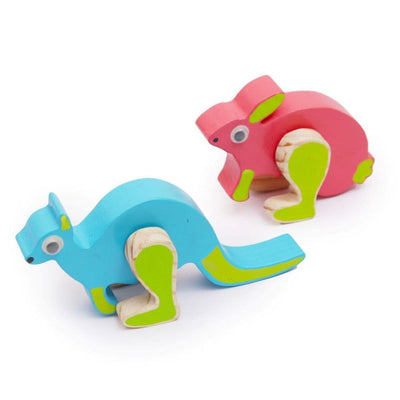
Natural play extends beyond structured activities, encouraging children to interact with the world around them using their senses. Incorporating elements from nature into play with wooden toys learning enhances this experience. Imagine a child using wooden counting blocks to sort leaves collected from the garden, or creating miniature landscapes with twigs and stones alongside wooden animal figurines.
This kind of play fosters a deep appreciation for nature, a value deeply rooted in Indian culture. It moves away from the sterile, often overstimulating world of plastic toys, offering instead a calming and enriching sensory experience. Studies show that open-ended wooden toys promote creativity significantly more than single-purpose plastic alternatives, encouraging children to invent their own narratives and explore possibilities.
Wooden Toys Learning: Building Foundational Skills Through Engagement
The beauty of wooden toys learning lies in their versatility and ability to facilitate a wide range of developmental skills. A simple set of wooden building blocks can become a towering fort, a stable for animals, or even represent family members in imaginative play. This encourages creative thinking, problem-solving, and early engineering concepts.
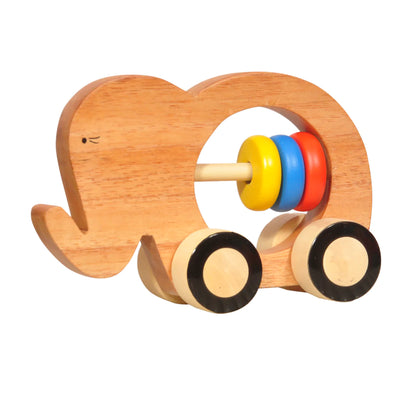
For numeracy, wooden abacus or counting boards introduce mathematical concepts concretely. Letter tracing boards made from wood allow children to explore literacy through touch, a tactile experience far richer than a screen. These activities respect the child's natural pace of learning, offering tangible, multi-sensory experiences that cement understanding and build confidence, without the pressure often associated with formal schooling.
Montessori Wooden Toys: Selecting the Right Tools for Development
When choosing Montessori wooden toys, prioritize quality, durability, and open-ended design. SkilloToys.com champions this philosophy, offering items that are not only beautiful but also meticulously crafted for purposeful play. Look for toys that isolate a single skill, like knobbed cylinders for dimension discrimination or a simple wooden stacking tower for size sequencing.
These are not merely playthings; they are tools for growth. Unlike flashy plastic toys that often dictate play, Montessori wooden materials invite exploration and discovery. Investing in these timeless pieces means choosing sustainability and longevity, ensuring they can be passed down through generations within a joint family, much like cherished traditions.
Creating a Nurturing Indian Montessori Environment at Home
Implementing Montessori principles doesn't require a dedicated Montessori classroom; it's about creating an atmosphere of respect and freedom within limits. In Indian homes, whether in a bustling joint family or a nuclear setup, this means making the environment child-friendly and accessible. Low shelves, dedicated spaces for each educational toy, and opportunities for children to participate in household activities (like setting the dining mat or sorting vegetables) are crucial.
Encourage grandparents to share their wisdom through practical tasks, turning everyday moments into learning opportunities. This holistic approach, free from the academic pressures sometimes prevalent, empowers children to develop independence and a love for learning. It aligns perfectly with the 'Toy-tally Indian' movement, where toys rooted in Indian identity foster a sense of belonging and cultural pride alongside skill development.
Key Takeaways for Eco-Conscious Indian Parents
- Practical Montessori activities with wooden toys foster independence and concentration.
- Quality wooden educational toys provide superior sensory engagement and promote creativity.
- Integrating natural elements into play enhances a child's connection to their environment.
- Montessori principles support holistic child development, building foundational skills without academic pressure.
- A nurturing home environment with accessible, purposeful wooden toys maximizes learning potential.
- Choosing sustainable wooden toys reflects a commitment to both child development and environmental responsibility.
Frequently Asked Questions About Montessori Activities and Educational Toys
What makes wooden educational toys ideal for Montessori activities?
Wooden educational toys are ideal because their natural texture, weight, and simplicity engage a child's senses, promoting concentration and fine motor development. Their open-ended design encourages imaginative, child-led exploration central to the Montessori philosophy.
How can I set up a Montessori-friendly play area in a small Indian home?
Create a dedicated, accessible 'learning corner' with low, open shelves for toys and materials. Rotate a few quality wooden educational toys regularly to keep interest high, ensuring each item has its designated place for easy return.
Are Montessori activities suitable for joint families in India?
Yes, Montessori activities thrive in joint family settings by encouraging interaction, mutual respect, and collaborative learning across generations. Grandparents can participate by demonstrating practical life skills, fostering cultural transmission through hands-on engagement.
What age is best to introduce Montessori activities with wooden toys?
Montessori principles and wooden educational toys can be introduced from infancy, adapting activities to developmental stages. For instance, grasping rattles for infants, stacking blocks for toddlers, and puzzles for preschoolers are excellent starting points.
How do natural play ideas support a child's learning and development?
Natural play ideas connect children with their environment, stimulating creativity, problem-solving, and sensory development. Engaging with natural materials and outdoor settings fosters an appreciation for the world, promoting holistic growth and reducing screen time dependence.