Homeschooling Curriculum India: Montessori Wooden Toys Guide
For Indian parents charting an independent course for their children's education, integrating Montessori wooden toys into a homeschooling curriculum in India offers a powerful, child-centric approach. This method fosters deep engagement and self-directed learning, cultivating skills that go far beyond textbooks.
Montessori homeschooling is an educational philosophy where children learn through self-directed activity, hands-on learning, and collaborative play within a carefully prepared environment. This matters because it nurtures a child's intrinsic motivation and concentration. Indian parents can implement this by curating their home space with purposeful, natural materials.
Why Montessori Wooden Toys are Ideal for Your Homeschooling Curriculum in India
The choice of learning materials profoundly impacts a child's development, especially in a homeschooling setup. Educational toys for homeschooling, particularly those made from natural wood, align perfectly with Montessori principles. Unlike distracting plastic toys, wooden materials offer a tactile, sensory experience that encourages focus and a deeper understanding of concepts.
Research shows that children who engage with open-ended, natural materials develop stronger problem-solving skills and creativity. Child development experts agree that the simplicity of wooden toys, such as geometric solids or a pink tower, compels the child to be the active agent in their learning, rather than being passively entertained. This is crucial for building genuine cognitive abilities.
Moreover, the durability and sustainability of wooden toys for homeschooling resonate deeply with eco-conscious Indian families. Brands like SkilloToys focus on quality over quantity, offering materials that are not only safe and non-toxic but also environmentally responsible. This choice reflects a broader commitment to a thoughtful, anti-plastic lifestyle, mirroring a growing trend among Indian consumers to support local, sustainable brands, as highlighted by recent features on 'Toy-tally Indian' initiatives.
Creating a Prepared Environment for Montessori Homeschooling India
Establishing a 'prepared environment' is fundamental to successful Montessori homeschooling India. This doesn't require a dedicated classroom; even a corner in a living room or a shared space in a joint family home can be transformed. The key is order, accessibility, and aesthetics that invite children to learn.
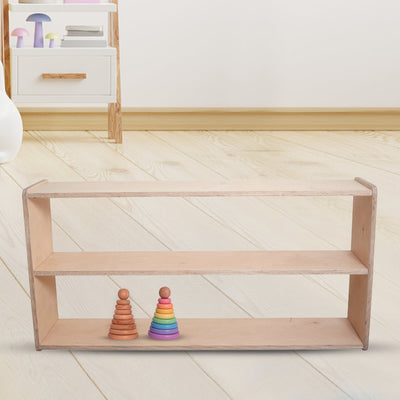
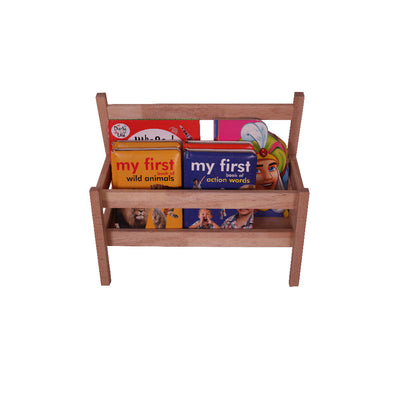
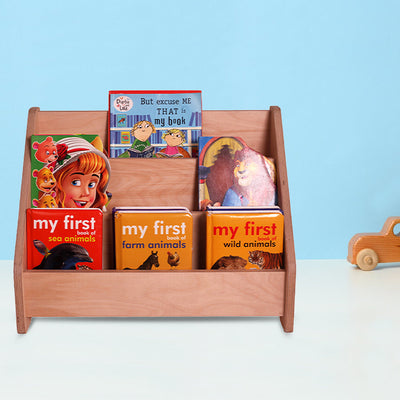
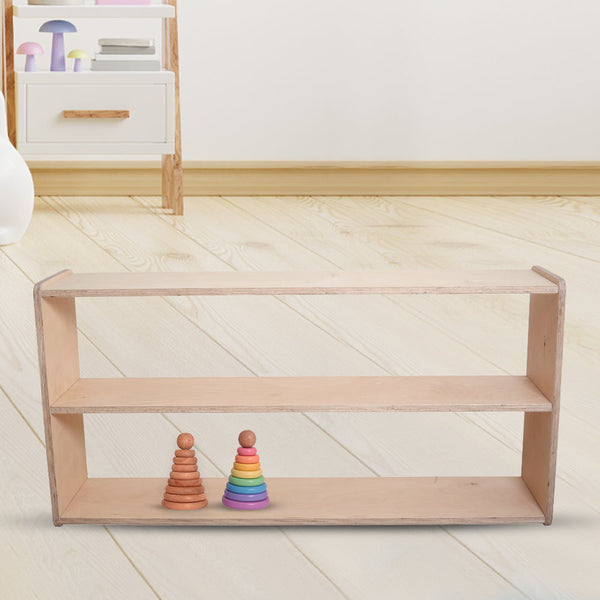
Start by decluttering and organizing materials on low shelves that are easily reachable for your child. Rotate toys periodically to maintain interest and prevent overstimulation. For instance, having a basket of wooden building blocks out one week and a set of shape sorters the next keeps the environment fresh and engaging. This approach teaches children responsibility as they learn to put materials back after use.
Consider the practicalities of an Indian home: perhaps a small, floor-level table for a child to work on, or soft rugs for comfortable floor play. In a joint family, the prepared environment teaches respect for shared spaces and materials, an important cultural lesson. The idea is to empower the child to choose their activities freely and work independently, fostering self-discipline and concentration.
Integrating Specific Montessori Materials into Your Indian Homeschool Day
Montessori education covers five key areas: Practical Life, Sensorial, Language, Mathematics, and Culture. Each area offers specific materials that seamlessly integrate into a homeschooling curriculum in India, providing concrete foundations for abstract concepts.
Nurturing Independence with Practical Life Skills
Practical Life activities are the cornerstone, helping children develop coordination, concentration, and independence. In an Indian home, these can include pouring rice, folding small clothes, sweeping a corner, or polishing a small brass pooja item. These tasks, often observed in daily life, connect the child to their cultural context. Simple wooden pouring sets or lacing beads can enhance these foundational skills.
Fostering Cognitive Growth with Sensory and Academic Materials
Sensorial materials like the brown stair or colour tablets refine the senses, preparing the child for future academic work. For language, sandpaper letters help children learn phonetics through touch, a crucial step for reading in English or even regional languages. For mathematics, wooden number rods or bead frames offer tangible representations of abstract numerical concepts. NCERT's pedagogical framework, for example, increasingly emphasizes experiential learning, which Montessori materials inherently provide.
You can also weave in cultural lessons using Montessori principles. For instance, exploring traditional Indian art forms using natural paints, or learning about festivals by recreating scenes with small wooden figurines. These activities make learning relevant and deeply rooted in their heritage.
The SkilloToys Difference: Quality Wooden Toys for Homeschooling
Choosing the right homeschooling resources India offers can feel overwhelming. SkilloToys stands as Bengaluru's leading Montessori educational toys store, committed to providing meticulously crafted wooden toys that align with authentic Montessori philosophy. Our materials are designed to be purposeful, durable, and beautiful, inviting children to engage in meaningful play that truly educates.
We understand the needs of Indian parents who seek thoughtful, sustainable options that stand the test of time and nurture holistic development, moving away from fleeting plastic fads. By choosing SkilloToys, you're investing in tools that empower your child's innate potential, support their learning journey, and contribute to a healthier planet.