How to Choose Sustainable Toys: A Guide for Indian Parents
In today's dynamic market, knowing how to choose sustainable toys that genuinely benefit your child and the planet is crucial for eco-conscious Indian parents. The recent Google News article from The Swaddle, 'The Makers of the Best Kids’ Toys Are The Ones Going Out of Business,' highlights a pressing concern: the struggle of quality toy manufacturers in a market often prioritising mass-produced, cheaper alternatives. This guide empowers you to navigate these challenges, ensuring your child's playtime is both enriching and responsible.
Choosing sustainable toys means prioritising products made from renewable, non-toxic materials, produced ethically, and designed for longevity. This matters immensely because it directly impacts your child's health, supports fair labour, and reduces environmental waste. Indian parents can proactively identify and invest in toys that uphold these values, creating a healthier play environment and fostering mindful consumption.
Understanding the Market Challenges for Quality Wooden Toys in India
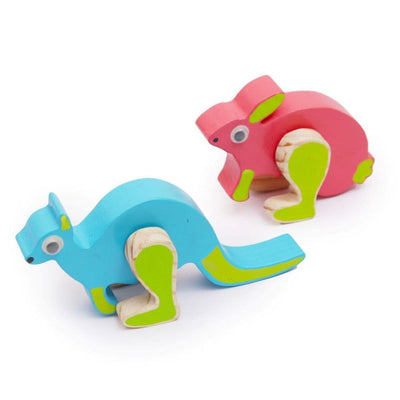
The market for children's toys in India is vast and often saturated with plastic options that are neither sustainable nor built to last. For parents seeking alternatives, finding authentic quality wooden toys India can be a genuine challenge, as the market is flooded with imitations or poorly made products.
The narrative of quality toy makers struggling, as reported by The Swaddle, underscores a global trend that affects local Indian businesses too. Many smaller, ethical manufacturers face tough competition from larger players who can offer lower prices by compromising on materials or labour practices. This makes it essential for discerning parents to look beyond superficial appearances and delve into a toy's true origins and construction.
Key Indicators of Ethical Toy Brands and Materials
Identifying truly ethical toy brands requires a keen eye for detail and a commitment to transparency. Research shows that brands committed to sustainability are often open about their sourcing, manufacturing processes, and employee welfare. Look for clear statements on their website regarding their environmental and social responsibilities.
When it comes to materials, prioritize natural options like solid wood (e.g., beech, rubberwood, neem), organic cotton, and natural rubber. Crucially, verify that the wood is FSC (Forest Stewardship Council) certified, which guarantees it comes from responsibly managed forests. Child development experts agree that non-toxic, water-based paints and finishes are paramount, ensuring safety for little hands that inevitably explore with their mouths.
Investing in Long-Lasting Toys for Kids: Durability & Design
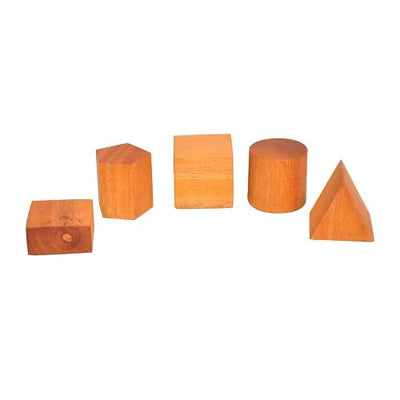
The concept of long-lasting toys for kids goes beyond mere durability; it encompasses thoughtful design that allows for varied play and adaptation as a child grows. Toys like wooden blocks or simple puzzles, fundamental to Montessori education, provide endless possibilities for creativity from toddlerhood to school age.
Studies indicate that open-ended toys foster greater imaginative play and cognitive development than single-purpose gadgets. Such toys can become cherished items passed down within a joint family, creating memories across generations – a value deeply resonated in Indian homes. This investment reduces the need for constant replacements, aligning perfectly with a sustainable lifestyle.
Embracing Eco-Friendly Educational Toys and Montessori Principles
The philosophy of Maria Montessori strongly advocates for natural, simple, and purposeful materials that aid a child's natural development. This aligns perfectly with the goal of finding eco-friendly educational toys. Montessori materials, like the Pink Tower or Sandpaper Letters, are typically made from wood, designed with precision, and encourage self-correction and independent learning.
A comprehensive Montessori toy selection guide would always emphasise quality over quantity, focusing on toys that engage multiple senses and allow children to discover at their own pace. This approach not only supports cognitive and fine motor skill development in children aged 18-24 months and beyond but also inherently promotes sustainability by valuing fewer, higher-quality items.
The Indian Context: Supporting Local and Conscious Choices
For Indian parents, choosing sustainable toys also presents an opportunity to support local craftsmanship and culturally relevant play. The Better India frequently features Indian brands making thoughtful, sustainable toys, highlighting a growing movement towards eco-conscious production.
Brands like Gubbachhi, as discussed in The New Indian Express, are celebrated for their toys rooted in Indian identity, often incorporating traditional art forms and sustainable materials. By choosing such brands, you're not only investing in your child's future but also empowering local artisans and promoting indigenous, eco-friendly practices that reflect our heritage.
What to Look For: A Checklist for Conscious Parents
When you're ready to make a purchase, keep this checklist in mind to ensure you're choosing truly sustainable and high-quality wooden toys:
- Material: Is it solid wood (FSC-certified)? Are other components natural (e.g., organic cotton, natural rubber)?
- Finishes: Are paints and varnishes non-toxic, water-based, and lead-free? Look for certifications like EN71 Part 3.
- Durability: Does the toy feel sturdy and well-constructed? Are joints secure?
- Design: Is it open-ended, allowing for creative play across different age groups (e.g., 3-6 years)? Does it align with educational principles like Montessori?
- Ethical Sourcing: Does the brand provide information on their labour practices and supply chain?
- Packaging: Is it minimal, recyclable, or made from recycled materials?
- Certifications: Beyond FSC, look for CE marks, ASTM F963, or BIS (Bureau of Indian Standards) for safety.
Making conscious choices in toy selection is a powerful way for Indian parents to contribute to their child's holistic development and a healthier planet. By prioritizing quality, sustainability, and ethical production, you're not just buying a toy; you're investing in values that will shape future generations.
- FSC-certified wood and non-toxic finishes are non-negotiable for sustainable toys.
- Ethical brands provide transparent information on sourcing and labour practices.
- Open-ended, durable designs like Montessori materials offer superior long-term play value.
- Always verify international safety standards (EN71, ASTM) to ensure product safety.
- Choosing fewer, higher-quality toys is both environmentally sound and economically beneficial.
- Supporting local Indian toy brands boosts indigenous craftsmanship and eco-friendly initiatives.
What certifications should I look for in sustainable wooden toys?
When choosing sustainable toys, Indian parents should primarily look for FSC (Forest Stewardship Council) certification for wood, ensuring responsible forest management. Additionally, check for international safety standards like EN71 (European Safety Standard) or ASTM (American Society for Testing and Materials) which confirm the toys are free from harmful chemicals and safe for children.
How can I tell if a wooden toy's paint is non-toxic and child-safe?
Non-toxic and child-safe paints on wooden toys are typically water-based, lead-free, and compliant with safety standards such as EN71 Part 3. Reputable brands will explicitly state this information on their packaging or website, often specifying food-grade finishes or natural dyes for peace of mind for Indian parents.
Are sustainable wooden toys more expensive, and are they worth the investment?
Sustainable wooden toys often have a higher upfront cost due to quality materials, ethical production, and hand craftsmanship, but they are absolutely worth the investment. Their durability ensures they last for years, becoming cherished heirlooms that can be passed down through generations in Indian families, thus offering superior long-term value compared to cheaper, short-lived plastic alternatives.
What is the role of Montessori principles in choosing sustainable toys?
Montessori principles align perfectly with sustainable toy choices by advocating for simple, purposeful, and durable materials that encourage hands-on learning and concentration. These toys are often made from natural materials, are open-ended, and foster independence, reducing the need for constant toy replacement and promoting a mindful approach to play.
How can Indian parents support local ethical toy brands?
Indian parents can support local ethical toy brands by actively seeking out companies that openly share their sourcing and manufacturing practices. Look for brands that highlight local artisans, use indigenous materials, and demonstrate a commitment to fair wages and environmental stewardship, much like brands featured by The Better India, ensuring your purchase positively impacts local communities.