Indian Wooden Toy Makers Struggling: How Parents Can Help
A recent, unsettling report from The Swaddle highlights a critical truth: the very Indian wooden toy makers struggling to survive are often the artisans crafting the most exquisite, safe, and sustainable playthings for our children. This silent crisis threatens a rich heritage of craftsmanship and the future of quality, natural play in Indian homes.
For eco-conscious parents in Bengaluru and across India, this news isn't just a headline; it's a call to action. Our collective choices determine whether these skilled hands, who bring joy through their art, can continue to thrive or fade away against the tide of cheap, often unsafe, plastic imports.
The Crisis Facing India's Wooden Toy Makers: A Deeper Look
The struggle for India's best wooden toy makers is a multifaceted challenge. This crisis is defined by intense competition from mass-produced plastic toys, soaring raw material costs, and a pervasive lack of consumer awareness regarding the superior value of handcrafted items. Indian parents, often under pressure to balance budgets and aspirations for their children, sometimes overlook the long-term benefits of investing in quality.
This situation directly impacts the challenges for quality toy manufacturers India faces, despite a growing national push for 'Made in India' products, as celebrated in initiatives like 'Toy-tally Indian' by The New Indian Express, featuring brands rooted in Indian identity. Research shows that while interest in sustainable products is rising, the direct support for local artisans often lags behind, leaving many skilled wood carvers in places like Varanasi, as noted by New Lines Magazine, vulnerable.
What is the crisis facing India's wooden toy makers? This crisis is the erosion of traditional craftsmanship due to economic pressures, impacting artisans' livelihoods and the availability of heirloom-quality toys. This matters because it jeopardizes cultural heritage and access to truly beneficial playthings. Indian parents can reverse this trend by consciously choosing and valuing handcrafted wooden toys.
Why Handcrafted Wooden Toys are Irreplaceable in Indian Homes
Child development experts agree that the value of handcrafted wooden toys extends far beyond mere play. Unlike their plastic counterparts, wooden toys engage a child's senses naturally – the texture, weight, and subtle scent of wood stimulate sensory exploration vital for cognitive development. Maria Montessori herself championed natural materials, understanding their profound impact on a child's learning journey.
In Indian homes, where durability and longevity are often prized, especially in joint families where toys are passed down through generations, wooden toys stand out. A sturdy wooden building block set or a beautifully carved animal from our Montessori learning materials collection isn't just a toy; it's a legacy. Studies indicate that children engaging with natural materials develop better sensory integration and fine motor skills, fostering creativity and problem-solving through open-ended play.
Consider the 'Pink Tower' or 'Sandpaper Letters' – classic Montessori materials often made from wood. These are not just teaching tools but tangible investments in a child's foundational learning, far superior to flimsy plastic alternatives that break easily and end up in landfills, contributing to pollution that affects our communities and festivals.
The Power of Eco-Conscious Parenting Choices in India
Every purchase decision an eco-conscious parent makes has a ripple effect, especially when it comes to supporting the sustainable toy industry India desperately needs. By choosing to support Indian toy brands, parents aren't just buying a product; they are investing in local economies, preserving traditional art forms, and championing ethical manufacturing practices.
This is where eco-conscious parenting choices become a powerful force for change. Opting for a handcrafted wooden toy over a mass-produced plastic one means fewer chemicals in your home, less waste in our environment, and direct support for a struggling artisan family. This conscious consumption aligns perfectly with the spirit of Indian festivals like Diwali or Christmas, where thoughtful, sustainable gifting is gaining prominence, as highlighted by 'The Better India' in their guide to sustainable gifts.
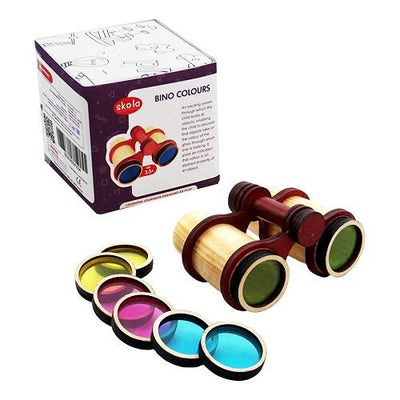
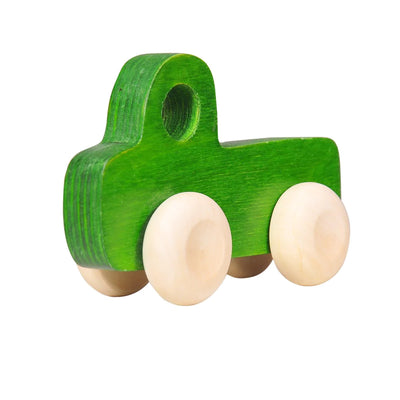
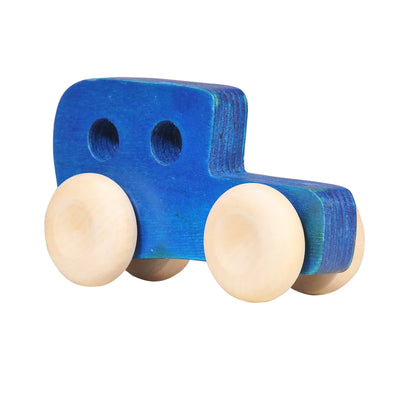
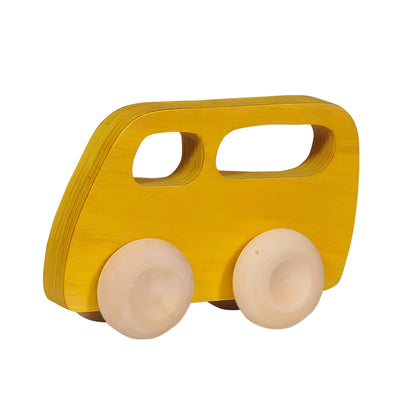
When you choose a beautiful set of wooden blocks or a pull-along wooden animal from our wooden toys collection, you are voting with your wallet for a healthier planet and a vibrant, self-reliant India. You are telling these skilled makers that their craft is valued and that their struggle is seen.
Beyond the Toy Box: Building a Legacy of Sustainable Play
Our role as parents extends beyond simply providing toys; it's about nurturing an environment where children can flourish, respecting their innate curiosity and the world around them. Embracing natural play materials means fostering a deeper connection with nature and instilling values of sustainability from a young age.
Research consistently shows a decline in children's imaginative play with an increase in electronic and plastic toys. Wooden toys, however, invite children to be creators of their own worlds, using simple, durable pieces like those found in our natural play materials range. This open-ended engagement is crucial for developing critical thinking, creativity, and social-emotional skills – qualities that will serve them well as they navigate the complexities of school and life.
Let us collectively commit to becoming the voice and the support system for India's incredible wooden toy makers. By making informed, conscious choices, we not only secure a future for these invaluable artisans but also provide our children with the best possible tools for joyful, meaningful, and sustainable play, ensuring that the legacy of quality craftsmanship continues to thrive in every Indian home.
- Indian wooden toy makers are struggling due to cheap plastic imports, rising costs, and low consumer awareness.
- Supporting Indian toy brands directly preserves traditional craftsmanship and boosts local economies.
- Handcrafted wooden toys offer superior durability, sensory engagement, and foster open-ended play essential for child development.
- Wooden toys are significantly more sustainable than plastic, being renewable, non-toxic, and biodegradable.
- Eco-conscious parenting choices are crucial for the survival and growth of India's sustainable toy industry.
- Investing in quality wooden toys provides long-term educational benefits and instills environmental values in children.
Why are Indian wooden toy makers struggling?
Indian wooden toy makers are struggling primarily due to competition from cheap, mass-produced plastic imports, rising raw material costs, and a lack of awareness among consumers regarding the value of handcrafted, sustainable toys. Policy support for small-scale artisans is also often insufficient.
How can I support Indian toy brands effectively?
You can support Indian toy brands by actively seeking out and purchasing their products, sharing their stories on social media, and advocating for policies that promote local craftsmanship. Choosing quality, handcrafted items over cheaper, imported alternatives makes a significant difference.
What are the benefits of handcrafted wooden toys for children?
Handcrafted wooden toys offer numerous benefits, including superior durability, enhanced sensory experience, and encouragement of open-ended imaginative play. They are also non-toxic and biodegradable, aligning perfectly with a child's natural development and environmental safety.
Are wooden toys truly more sustainable than plastic toys?
Yes, wooden toys are demonstrably more sustainable than plastic toys. Wood is a renewable resource, and wooden toys are biodegradable, lasting for generations before safely returning to the earth. Plastic, conversely, is derived from fossil fuels and contributes significantly to landfill waste.
Where can I find high-quality Montessori wooden toys in India?
High-quality Montessori wooden toys are available from dedicated Indian brands committed to child development and sustainable practices, such as SkilloToys.com. These brands ensure materials meet safety standards and support local artisans, offering educational benefits for children across various age ranges.