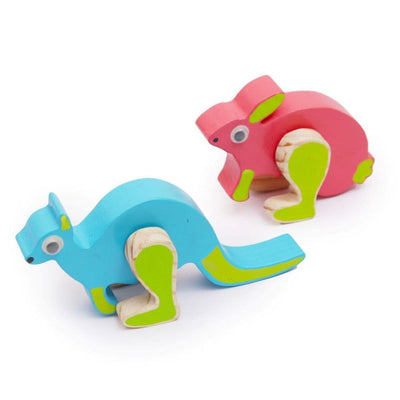
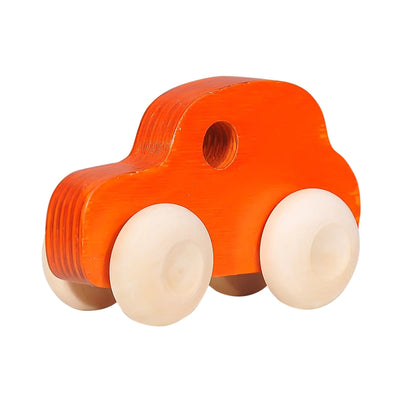
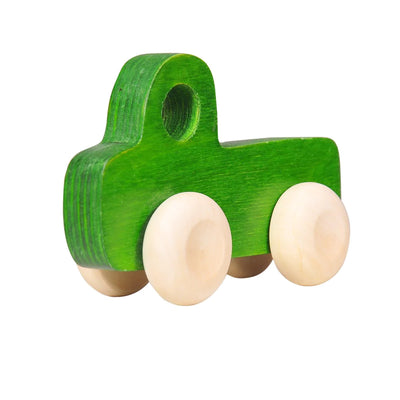
Sustainable Indian Wooden Toys: Forest to Playroom
The choice of sustainable Indian wooden toys represents a profound commitment to both your child's holistic development and our planet's future. These handcrafted treasures offer a timeless, eco-conscious alternative to mass-produced plastic, directly addressing the growing concern among eco-aware Indian parents for thoughtful, durable playthings. By choosing wooden toys, you invest in products that respect nature from their very inception to their eventual lifecycle, aligning perfectly with a generation of parents prioritizing quality over quantity.
Sustainable Indian wooden toys are those crafted from responsibly sourced natural wood, finished with non-toxic materials, and produced through ethical manufacturing practices that support local communities and minimize environmental impact. This matters because it ensures children interact with safe, natural materials while fostering a deeper respect for the environment. Indian parents can confidently choose these toys to provide enriching play experiences that align with their values for a greener future and a stronger connection to traditional craftsmanship.
What Makes Indian Wooden Toys Sustainable?
The journey of an Indian wooden toy from forest to playroom is a testament to mindful creation, distinguishing it from conventional plastic alternatives. This process is deeply rooted in principles of environmental stewardship and social responsibility, reflecting India's rich heritage of craft and respect for natural resources. Research shows that wooden toy production often has a significantly lower carbon footprint compared to plastic manufacturing, which relies heavily on fossil fuels.
Ethical Sourcing and Craftsmanship: The Heart of Eco-Friendly Wooden Toys India
At the core of eco-friendly wooden toys India lies ethical sourcing. Reputable Indian toy makers, much like those featured in articles by The Better India highlighting 'thoughtful, sustainable toys,' use sustainably harvested wood varieties such as neem, rubberwood, and acacia. These are fast-growing, non-endangered trees, ensuring forests remain vibrant for future generations. This commitment extends to supporting local artisans and communities, providing fair wages and preserving traditional woodworking skills that have been passed down through generations in Indian families.
Brands like Gubbachhi, celebrated by The New Indian Express for their toys rooted in Indian identity, exemplify how traditional craftsmanship meets modern sustainability. Every toy often carries the unique touch of an artisan, reflecting not just a product, but a piece of cultural heritage. This approach fosters a circular economy, empowering rural craft clusters and ensuring that the economic benefits stay within local communities, creating a sustainable ecosystem for both people and planet.
Natural Finishes for Safe Play: Protecting Our Little Ones
Another crucial aspect of sustainable Indian wooden toys is the use of natural, non-toxic finishes. Unlike many plastic toys laden with phthalates and BPA, wooden toys from ethical manufacturers are treated with beeswax, plant-based oils, or water-based, lead-free paints. These natural coatings ensure that the toys are completely safe for children, even if they end up in a curious toddler's mouth, which is a common concern for Indian parents.
The absence of harmful chemicals means a healthier play environment, reducing exposure to allergens and toxins. Child development experts agree that children thrive in environments with natural materials, as they engage the senses more deeply and offer a tangible connection to the natural world, a stark contrast to synthetic alternatives.
The Longevity Advantage: Toys Built to Last
The inherent durability of wood means that longevity of wooden toys India is not just a feature, but a core tenet of sustainability. These toys are designed to withstand the rigours of enthusiastic play, from boisterous sessions with siblings to quiet moments of imaginative exploration. Unlike flimsy plastic toys that often break and end up in landfills, wooden toys are built to last for years, often becoming cherished heirlooms passed down through generations within Indian joint families.
This durability directly translates to less waste and reduced consumption, embodying the 'buy less, choose well' philosophy. When a toy can be used by an older sibling, then a younger cousin, and then stored for future generations, its environmental footprint per use diminishes significantly. This investment in quality toys, such as Montessori learning materials, aligns with traditional Indian values of preserving resources and valuing handcrafted goods.
Explore our extensive collection of durable Montessori learning materials that are built to last.
Montessori Principles and Eco-Conscious Play
The philosophy of Maria Montessori, which emphasizes natural materials and purposeful play, is intrinsically linked to the sustainability of wooden toys. Montessori wooden toy sustainability stems from their simple design, open-ended nature, and sensory appeal. Toys like the pink tower or sandpaper letters for children aged 3-6 years are crafted from wood, engaging a child's sense of touch, sight, and even smell in a way plastic cannot replicate. This encourages deep concentration and self-directed learning, fostering a genuine connection to their play materials.
Studies indicate that children engaged with natural, open-ended toys develop stronger problem-solving skills and greater creativity. Wooden toys align with Montessori's 'prepared environment' by offering calming aesthetics and promoting a sense of order and respect for objects. By choosing high-quality wooden toys, parents are not just selecting a plaything; they are investing in tools that nurture their child's innate curiosity and independence, mirroring the slow, intentional growth of nature itself.
Making Informed Choices for Your Indian Home
For discerning Indian parents, making informed choices about toys means looking beyond the immediate appeal to understand the product's entire lifecycle. When seeking ethical wooden toy manufacturing India, consider brands that offer transparency in their sourcing and production. Look for certifications or clear statements about sustainable forestry, fair labour practices, and the use of natural, non-toxic finishes. The growing trend, as seen with Goa-based Smol Block introducing sustainable wooden tree house toys, showcases the innovation in the Indian market.
Investing in sustainable Indian wooden toys is an investment in your child's well-being and the planet's health. It's a conscious decision to move away from disposable culture towards cherished items that can be repaired, repurposed, or passed down, celebrating the enduring value of natural resources and skilled craftsmanship. SkilloToys.com is committed to curating a collection that meets these high standards, empowering parents to make choices that truly matter.
Discover our full range of wooden toys collection crafted for sustainable learning and play.
In conclusion, the journey of Indian wooden toys from the forest to your child's playroom is a beautiful narrative of sustainability, ethics, and mindful development. By choosing these natural treasures, Indian parents are not only providing enriching play experiences but also instilling values of environmental responsibility and appreciation for quality craftsmanship. It's a choice that resonates with our cultural roots and promises a brighter, greener future for our children.
- Sustainable Indian wooden toys are crafted from responsibly sourced, fast-growing local woods like neem and rubberwood.
- Ethical manufacturing practices ensure fair wages for local artisans and preserve traditional Indian woodworking skills.
- Natural, non-toxic finishes like beeswax and plant-based oils guarantee child safety and a healthy play environment.
- Wooden toys boast exceptional durability, reducing waste and allowing them to be cherished and passed down through generations.
- These toys align perfectly with Montessori principles, promoting open-ended play, sensory exploration, and deep concentration.
- Choosing sustainable wooden toys supports a circular economy and reduces the environmental impact compared to plastic alternatives.
Why are wooden toys considered sustainable?
Wooden toys are considered sustainable due to their natural, renewable material source, durability for generations of play, and biodegradability. They offer a stark contrast to plastic toys, significantly reducing environmental impact and promoting a healthier planet for our children.
What kind of wood is used in sustainable Indian wooden toys?
Sustainable Indian wooden toys primarily use locally sourced, fast-growing, and non-endangered woods like neem, rubberwood, pine, and acacia. These woods are chosen for their durability, safety, and the ability to be harvested responsibly, supporting local forestry practices and artisans.
Are the finishes on Indian wooden toys safe for children?
Yes, high-quality Indian wooden toys use natural, non-toxic, and child-safe finishes such as beeswax, plant-based oils, and water-based paints. These finishes ensure that toys are free from harmful chemicals, providing a completely safe play experience for even the youngest children.
How do wooden toys support Montessori principles?
Wooden toys inherently support Montessori principles by being simple, natural, and inviting open-ended play, encouraging concentration, and sensory exploration. Their durable nature also aligns with the Montessori emphasis on quality, long-lasting materials that respect the child's learning process.
Where can I find truly eco-friendly wooden toys in India?
Truly eco-friendly wooden toys in India can be found from brands that transparently detail their sourcing, manufacturing processes, and use of natural finishes. Look for trusted retailers like SkilloToys.com, who curate products from artisans committed to sustainable and ethical practices.