Sustainable Indian Wooden Toys: Grassroots Revival
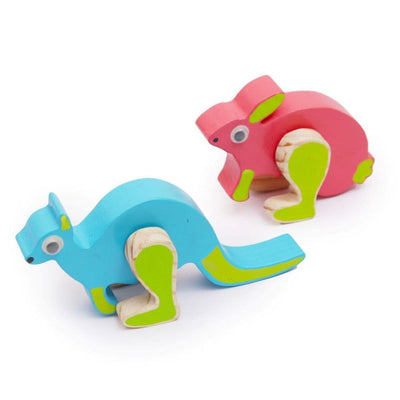
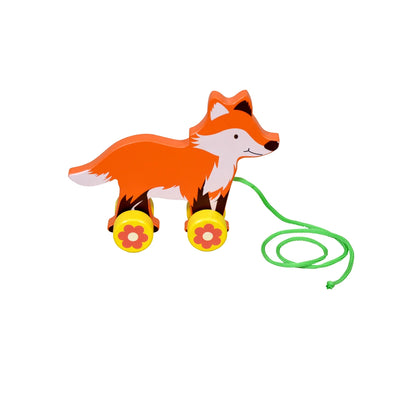
A quiet revolution is sweeping across India, transforming how our children play. The revival of sustainable Indian wooden toys is taking centre stage, driven by passionate grassroots innovators who are breathing new life into forgotten crafts. These visionary makers are not just preserving heritage; they are actively shaping a future where play is intrinsically linked to ecological responsibility and child development.
This inspiring movement, exemplified by recent news of innovators from Andhra Pradesh, highlights a powerful shift away from mass-produced plastic towards handcrafted, natural alternatives. For eco-conscious Indian parents, this means access to toys that are not only beautiful and durable but also deeply rooted in cultural values and environmental stewardship.
The Resurgence of Traditional Indian Wooden Toys
The allure of traditional Indian wooden toys goes far beyond nostalgia; it represents a conscious choice for quality and authenticity. Research shows that engaging with natural materials fosters a deeper sensory experience for children, unlike the often sterile feel of plastic. These toys, passed down through generations in many Indian joint families, carry stories and connect children to their rich cultural identity.
For centuries, skilled artisans across India have crafted toys from sustainable wood, using natural dyes derived from plants and minerals. This ancestral knowledge is now being re-embraced, offering families a tangible link to heritage during festivals and everyday play. Choosing these toys supports local communities and ensures the survival of intricate craft forms.
What are Sustainable Indian Wooden Toys?
Sustainable Indian wooden toys are playthings crafted from locally sourced, renewable wood, often finished with non-toxic, natural paints or oils. This matters because they offer a safe, durable, and environmentally friendly alternative to plastic, supporting both child health and planetary well-being. Indian parents can choose these toys to provide enriching, eco-conscious play experiences for their children.
Grassroots Innovators: Nurturing Craft and Community
The heart of this revival beats in the hands of grassroots toy makers India. These dedicated individuals and small collectives, often working in rural areas like Andhra Pradesh, are the unsung heroes bringing traditional wooden toys back into the spotlight. They collaborate directly with artisan families, ensuring fair wages and preserving ancestral techniques that might otherwise be lost.
Their work in Andhra Pradesh wooden toys, for instance, isn't just about crafting; it's about empowering communities and fostering economic independence. These innovators are bridging the gap between ancient craftsmanship and modern parental demands for safety and educational value. They meticulously ensure that each piece is not only beautiful but also compliant with contemporary child safety standards, a crucial factor for discerning parents.
Why Eco-Friendly Kids Toys India Deserve a Place in Every Home
The benefits of choosing eco-friendly kids toys India are multifaceted, extending from environmental impact to profound developmental advantages for children. Studies indicate that wooden toys, with their simple designs, encourage open-ended play, sparking creativity and problem-solving skills in young minds. Unlike electronic toys that dictate engagement, wooden toys invite children to imagine, explore, and invent their own narratives.
Furthermore, selecting wooden toys significantly reduces household plastic waste, a growing concern for many Indian families. Plastic takes hundreds of years to decompose, contributing to landfills and polluting our environment. By opting for durable, biodegradable wooden toys, parents are making a conscious choice to protect the planet for future generations, aligning with a broader global movement towards sustainable living.
Montessori Principles and Sustainable Play
Child development experts agree that Montessori wooden toys India offer unparalleled educational value. Maria Montessori championed the use of natural, aesthetically pleasing materials that engage a child's senses and promote concentration. Simple wooden blocks, puzzles, and stacking toys, like those found in a Montessori classroom, directly support the development of fine motor skills, spatial reasoning, and independent learning.
For children aged 18-24 months, tactile exploration with smooth, warm wood enhances sensory development far more effectively than plastic. The deliberate weight and texture of wooden toys, such as a pink tower or sandpaper letters, provide concrete experiences vital for cognitive growth. These toys are designed to be purposeful, fostering a child's innate desire to learn and discover at their own pace.
Embracing sustainable wooden toys is not merely a trend; it is a thoughtful investment in a child's holistic development and a commitment to a healthier planet. As parents navigate the pressures of modern life, from school expectations to screen time, providing opportunities for natural, imaginative play becomes increasingly crucial.
- Grassroots innovators are successfully reviving the art of making sustainable Indian wooden toys, preserving cultural heritage.
- These traditional toys offer a superior sensory experience for children, fostering creativity and problem-solving skills.
- Choosing eco-friendly wooden toys significantly reduces plastic waste and supports local artisan communities.
- Montessori principles advocate for natural, open-ended wooden materials to enhance child development and concentration.
- The movement towards sustainable play reflects a growing awareness among Indian parents for quality, durability, and environmental responsibility.
- Supporting these initiatives empowers rural artisans and ensures the transmission of invaluable craft skills to the next generation.
What makes traditional Indian wooden toys sustainable?
Traditional Indian wooden toys are inherently sustainable because they are crafted from locally sourced, natural woods, often using non-toxic, plant-based dyes. Their durability ensures a longer lifespan, reducing waste compared to their plastic counterparts.
How do grassroots innovators contribute to this revival?
Grassroots innovators contribute by rediscovering and reinterpreting ancient crafting techniques, collaborating with local artisans, and integrating modern designs with traditional aesthetics. They focus on ethical production, fair wages, and creating products that meet contemporary safety and educational standards.
Are these eco-friendly toys safe for infants and toddlers?
Yes, high-quality eco-friendly Indian wooden toys are specifically designed with child safety in mind, especially for infants and toddlers. They use non-toxic finishes, natural materials, and adhere to strict safety standards, making them a safe choice for early childhood development.
How do Montessori principles align with sustainable wooden toys?
Montessori principles strongly align with sustainable wooden toys by valuing natural materials, open-ended play, and purposeful design. These toys foster concentration, fine motor skills, and independent exploration, mirroring the Montessori philosophy of learning through tangible, engaging experiences.
Where can Indian parents find authentic sustainable wooden toys?
Indian parents can find authentic sustainable wooden toys through dedicated online stores like SkilloToys, which curate collections from reputable local artisans and brands committed to quality and ethical production. Local craft fairs and specialty children's boutiques also often feature these unique pieces.