Varanasi Wood Toy Carving: India's Artisan Craft Explained
Varanasi wood toy carving represents a profound segment of India's artisan heritage, meticulously preserving centuries-old craftsmanship in each handcrafted piece. This ancient craft, deeply rooted in the cultural tapestry of Uttar Pradesh, definitively offers sustainable, educational wooden toys that are cherished across generations in Indian homes. As reported by Google News, 'The Transformative Art of Wood Toy Carvers in India’s Varanasi' highlights the ongoing relevance and beauty of this traditional skill.
For eco-conscious Indian parents, understanding the origins and artistry behind their children's playthings is crucial. This deep dive into Varanasi's wood carving tradition provides insight into why these handcrafted treasures are not just toys, but heirlooms promoting quality, sustainability, and cultural connection.
What is Varanasi Wood Toy Carving?
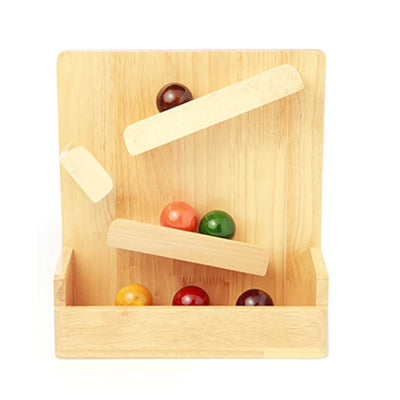
Varanasi wood toy carving is the traditional art of shaping and decorating wooden pieces into playthings, often using locally sourced woods like Sal, Sheesham, and mango. This matters because it not only supports artisan communities but also provides children with durable, non-toxic toys that encourage imaginative play. Indian parents can choose these heritage toys to connect their children with national culture and promote sustainable living.
The Legacy of Indian Wooden Toy Craftsmanship
The tradition of Indian wooden toy craftsmanship in Varanasi dates back centuries, evolving from the city's rich religious and cultural confluence. Generations of families have honed these skills, passing down intricate techniques from grandparent to grandchild, often within joint family setups. This continuous lineage ensures the preservation of unique styles and motifs that reflect India's vibrant heritage, making each toy a piece of living history.
Research indicates that children who engage with open-ended wooden toys develop stronger problem-solving skills and creativity compared to those exposed predominantly to single-function plastic alternatives. This is why many traditional toys are experiencing a modern makeover, appealing to a new generation of parents who prioritize quality and developmental benefits.
Traditional Indian Wood Carving Techniques
The creation of a Varanasi wooden toy begins with the careful selection of local, sustainable wood. Artisans then employ age-old techniques involving hand chisels and mallets to carve intricate shapes. Following carving, the pieces are often lacquered, a traditional process where lac (a natural resin) is heated and applied, creating a glossy, durable finish. This technique not only beautifies the toys but also seals the wood, enhancing its longevity.
Studies indicate that natural materials offer a superior tactile experience, crucial for early childhood sensory development. Unlike mass-produced plastic, the subtle imperfections and organic warmth of traditionally carved wood engage a child's senses in a profound way. This craftsmanship ensures that the toy is not merely an object, but a tactile learning tool.
Varanasi's Distinctive Styles and Materials
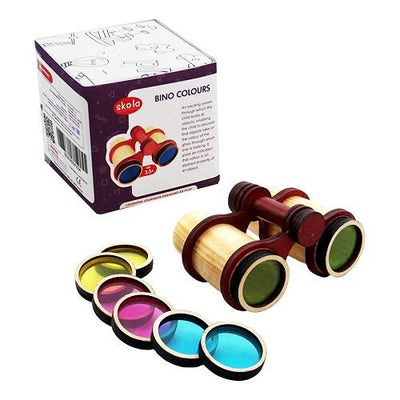
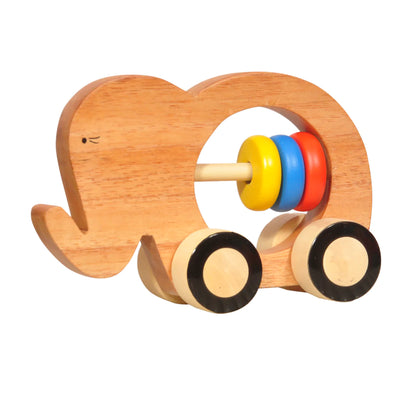
Varanasi toys are renowned for their distinctive, vibrant colours and often depict animals, mythological figures, and everyday objects, reflecting Indian life and folklore. The use of natural dyes derived from plants and minerals ensures these colours are safe and environmentally friendly. Common woods like Sal, Sheesham, and mango are preferred for their durability and availability, aligning with the principles of sustainable wooden toys India.
These toys often play a significant role in Indian festivals and family gatherings, becoming cherished gifts that bridge cultural narratives with play. For many families, especially grandparents, gifting a handcrafted wooden toy is a way to pass down stories and values, contrasting sharply with the fleeting nature of mass-produced plastic toys.
Why Artisan Wooden Toys from India Matter for Child Development
Artisan wooden toys India offers provide tangible benefits for child development, aligning with the pedagogical principles of Maria Montessori. Montessori emphasized the importance of natural, self-correcting materials that encourage children to explore and learn independently. Wooden toys, with their simplicity and tactile nature, perfectly embody this philosophy, fostering concentration and fine motor skills in children aged 18-24 months and beyond.
Child development experts agree that toys made from natural materials, such as those found in Varanasi, provide a richer sensory experience than plastic alternatives, which can overstimulate or limit imaginative engagement. For Indian parents navigating the pressures of modern schooling, choosing such toys ensures children receive a balanced, holistic development rooted in hands-on discovery, preparing them effectively for future academic challenges.
Heritage Toys Varanasi: A Sustainable Choice for Modern Homes
Choosing heritage toys Varanasi offers is a conscious decision towards sustainability and quality. In an era where the 'Toys Market Size, Share and Growth Forecast 2025–2035' by Market Research Future predicts continued growth, the demand for thoughtful, sustainable options is paramount. These toys are built to last, often outliving several generations, unlike their plastic counterparts that quickly contribute to landfill waste. This durability means less consumption and a smaller environmental footprint, a core value for eco-aware parents.
By investing in these handcrafted pieces, Indian parents are not only providing safe, non-toxic playthings but also supporting artisan livelihoods and preserving traditional crafts. This directly counters the pervasive plastic culture, aligning with initiatives highlighted by 'The Better India' concerning sustainable Indian brands. It's a choice that reflects a commitment to quality over quantity and a greener future for our children.
The Future of Sustainable Wooden Toys in India
The future of sustainable wooden toys in India, particularly from hubs like Varanasi, is bright and promising. There is a growing appreciation among urban Indian parents for toys that are not only safe and educational but also culturally relevant and environmentally sound. This shift in consumer preference is driving a resurgence in traditional crafts, giving artisans a renewed platform.
As awareness about the environmental impact of plastics grows, the demand for eco-friendly alternatives continues to soar. SkilloToys stands at the forefront of this movement, connecting discerning parents in Bengaluru and across India with the timeless charm and developmental benefits of meticulously crafted wooden toys from regions like Varanasi. This ensures that children can grow up with toys that enrich their lives and respect our planet.
- Varanasi wood toy carving is a centuries-old Indian artisan tradition.
- The craft utilizes sustainable, local woods like Sal, Sheesham, and mango.
- Toys are finished with natural lacquers and non-toxic dyes, ensuring child safety.
- Traditional wooden toys from Varanasi foster creativity, sensory development, and imaginative play.
- Choosing these heritage toys supports artisan communities and promotes environmental sustainability.
- Varanasi's distinctive styles reflect India's rich cultural narratives and folklore.