Wooden Educational Toys Brain Development: Science for Kids
When choosing playthings for our little ones, especially in a bustling Indian household, the decision often comes down to quality and lasting value. Understanding the scientific mechanisms behind wooden educational toys brain development reveals why they are superior for nurturing cognitive growth. These natural playthings actively engage a child's senses and intellect, laying robust neurological foundations for future learning.
Wooden educational toys are meticulously designed to stimulate cognitive abilities, fine motor skills, and creativity through hands-on engagement. This matters because active, multi-sensory play directly supports the formation of neural pathways crucial for problem-solving and critical thinking. Indian parents can confidently choose these durable, eco-friendly options to foster comprehensive brain development in their children.
Cognitive Benefits Wooden Toys Provide for Developing Minds
Research shows that the simplicity of wooden toys significantly enhances a child's cognitive development. Unlike complex electronic toys that dictate play, wooden toys require children to use their imagination and critical thinking to create scenarios. This open-ended play is invaluable; studies indicate children engaging with such toys demonstrate higher creativity and sustained attention spans, crucial for tackling school pressure and future challenges.
For instance, stacking blocks or fitting puzzles made from wood challenge a child's spatial awareness, logic, and problem-solving skills. Each interaction helps build neural connections, strengthening areas of the brain responsible for reasoning and memory. These cognitive benefits wooden toys offer are foundational, preparing children not just for academics but for life.
Montessori Brain Development Toys & Natural Learning Science
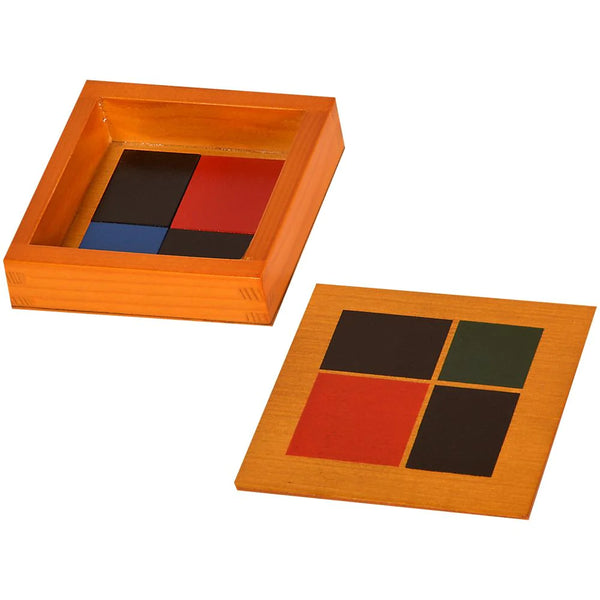
The Montessori philosophy, championed by Maria Montessori, profoundly influences the design of many wooden educational toys. This approach centers on self-directed activity, hands-on learning, and collaborative play, making it inherently aligned with how young brains naturally develop. Montessori brain development toys, such as the Pink Tower or Sandpaper Letters, are crafted from natural materials, primarily wood, to provide concrete, sensorial experiences.
Natural learning science suggests that children learn best through direct interaction with their environment. The tactile feedback, weight, and texture of a wooden toy offer a richer sensory experience than plastic, promoting deeper engagement. This is especially relevant in India, where a connection to natural elements and craftsmanship is deeply rooted in our culture, as seen in brands like Gubbachhi making toys rooted in Indian identity.
The Sensory Advantage: Why Wood Stimulates More Than Plastic
When a child holds a wooden toy, they experience a natural weight, varying textures, and often a subtle scent that plastic cannot replicate. This multi-sensory input is vital for stimulating different areas of the brain simultaneously, leading to more robust neural connections. The simplicity of wooden toys means children are not overstimulated by lights and sounds but rather encouraged to explore and invent.
Experts agree that engaging multiple senses through natural materials aids in developing sensory integration, a key aspect of early childhood brain development. For Indian children growing up with traditional handicrafts and natural surroundings, wooden toys resonate deeply, connecting them to a tangible, real-world experience rather than a synthetic one. This aligns perfectly with the rising trend of sustainable Christmas gifts for kids from Indian brands.
Developing Foundational Skills for Indian Children
Beyond cognitive and sensory benefits, wooden educational toys are instrumental in developing essential life skills. From enhancing fine motor coordination required for writing to fostering concentration and patience through repetitive play, these toys are silent teachers. In a joint family setting, children often learn through observation and participation, and wooden toys facilitate this interactive learning environment.
For instance, a simple wooden puzzle helps a child understand shapes, colours, and problem-solving strategies, while also developing the pincer grasp essential for holding a pen. These early experiences with child brain development toys India parents choose are critical for building a strong foundation, preparing them for formal schooling and beyond, all while nurturing a sense of calm and focused play.
- Wooden toys stimulate multiple senses, enhancing neural connections in the brain.
- Montessori principles, often embodied in wooden toys, promote self-directed, hands-on learning.
- The open-ended nature of wooden toys develops creativity, problem-solving, and critical thinking skills.
- Natural materials like wood offer superior tactile feedback compared to plastic, aiding sensory development.
- Research indicates that simple, natural toys lead to more imaginative and sustained play sessions.
How do wooden toys contribute to a child's brain development?
Wooden toys contribute significantly to brain development by engaging multiple senses simultaneously, which strengthens neural pathways. Their open-ended nature encourages problem-solving, imagination, and critical thinking, essential for cognitive growth in Indian children.
Are Montessori wooden toys scientifically proven to aid learning?
Yes, Montessori wooden toys are scientifically proven to aid learning by following principles of self-directed, hands-on exploration. This method, backed by extensive research, fosters concentration, fine motor skills, and independent thought, aligning with natural child development stages.
What makes natural learning science effective with wooden toys?
Natural learning science emphasizes sensory engagement and real-world exploration, which wooden toys inherently support. The tactile experience of wood, combined with its simple design, allows children to focus on the properties of the material and the task at hand, promoting deeper understanding.
At what age should Indian parents introduce wooden educational toys for brain development?
Indian parents can introduce wooden educational toys for brain development as early as infancy, starting with simple rattles or sensory blocks for babies. For toddlers (1-3 years), items like stacking rings and puzzles are excellent for developing fine motor skills and cognitive connections.
Why is tactile stimulation from wooden toys important for child brain development?
Tactile stimulation from wooden toys is crucial for child brain development because it provides varied sensory input, which is vital for building neural connections. Unlike uniform plastic, the natural textures, weights, and temperatures of wood offer rich sensory experiences that enhance learning and spatial awareness.