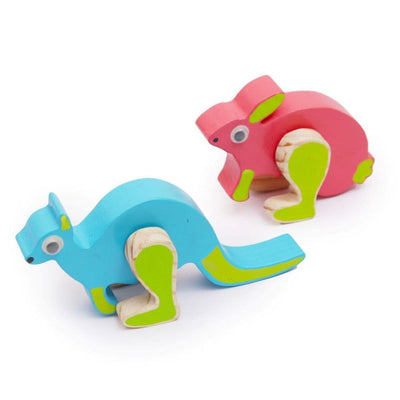
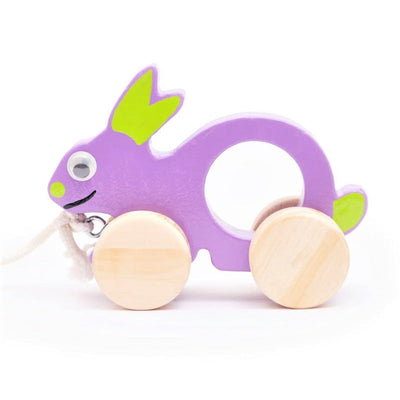
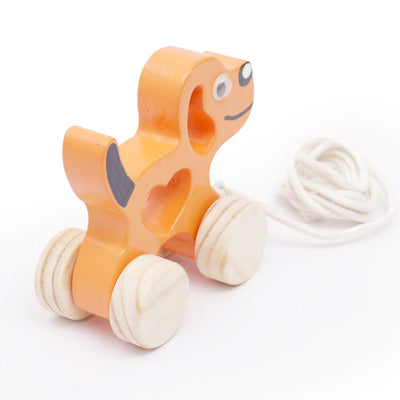
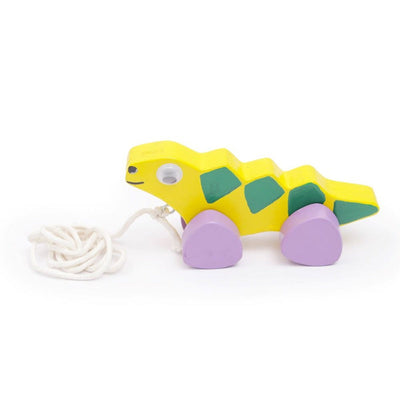
Wooden Toys for Learning Malayalam: A Montessori Guide
Wooden Toys for Learning Malayalam offer a powerful, tactile, and engaging method for children to grasp their mother tongue. Research shows that integrating such natural learning tools significantly boosts early language acquisition, providing a strong foundation in Malayalam for Indian children.
In homes across Bengaluru and indeed, all of India, parents cherish the desire to connect their children with their cultural roots, and language is paramount. As eco-conscious families increasingly opt for thoughtful, sustainable playthings over mass-produced plastic, wooden toys emerge as the ideal choice not just for their environmental benefits but also for their profound educational value, especially in mastering regional languages like Malayalam.
What Are Montessori Malayalam Language Toys?
Montessori Malayalam language toys are specially designed wooden materials that isolate language concepts, from alphabet recognition to word formation, using a multi-sensory approach. This methodology matters immensely because it aligns with a child's natural developmental stages, making complex linguistic structures accessible and enjoyable. Indian parents can empower their children by providing these self-correcting tools, fostering independence in language learning.
Why Choose Wooden Toys for Teaching Malayalam to Kids?
Choosing wooden toys for teaching Malayalam to kids is a conscious decision aligned with modern pedagogical research and sustainable living. Unlike plastic alternatives, natural wooden toys offer a rich sensory experience through their varied textures, weights, and natural scents, stimulating neural pathways crucial for language development. This tactile engagement transforms abstract concepts of letters and words into concrete, memorable experiences for young minds.
Child development experts agree that durable, open-ended toys foster deeper engagement and creativity. Wooden toys, being inherently robust, withstand years of enthusiastic play, becoming cherished heirlooms passed down through joint families. This aligns perfectly with the growing trend towards wooden & natural toys, where thoughtful consumption triumphs over fleeting plastic fads, as highlighted by reports on the expanding sustainable toy market.
Moreover, opting for wooden toys resonates with the Indian ethos of sustainability and connection to nature. Parents seeking high-quality, long-lasting products find that these toys offer unparalleled educational value, providing a safe, non-toxic environment for their children's growth. They are a thoughtful, sustainable alternative to plastic, reflecting a commitment to both educational excellence and environmental responsibility, mirroring the ethos of innovative Indian brands making impactful toys.
Montessori Malayalam Alphabet Toys: Building Foundational Skills
Montessori principles advocate for hands-on, self-correcting learning, and this applies profoundly to language acquisition. Montessori Malayalam alphabet toys, like adapted wooden sandpaper letters, introduce children to the tactile sensation of each Malayalam consonant and vowel, simultaneously engaging visual, auditory, and kinesthetic senses. This multi-sensory input is crucial for cementing letter recognition and phonetic awareness in children as young as 2.5 to 3 years.
A key material in this approach is the movable alphabet, adapted for Malayalam script. With individual wooden letters, children can construct words phonetically, even before they master writing with a pencil. This empowers them to express themselves and experiment with language, building confidence. SkilloToys.com offers a range of Montessori Method Learning Materials that support such foundational learning, allowing children to manipulate and internalize the intricate patterns of the Malayalam script at their own pace.
Studies indicate that early exposure to language through tactile engagement significantly improves literacy outcomes. By allowing children to trace the smooth wooden curves and sharp angles of Malayalam letters, these toys lay a strong neural foundation for reading and writing, making the learning process intuitive and enjoyable, rather than rote memorization.
Beyond Alphabets: Traditional Malayalam Wooden Educational Toys for Vocabulary
While alphabet toys establish foundational literacy, expanding vocabulary requires richer engagement. Traditional Malayalam wooden educational toys and open-ended playthings offer immense potential for vocabulary development through imaginative play and storytelling. Simple wooden dolls can become characters in Malayalam narratives, helping children learn family roles (അമ്മ, അച്ഛൻ, മുത്തശ്ശി, മുത്തച്ഛൻ) and actions.
Wooden building blocks or animal sets provide opportunities for descriptive language in Malayalam. As children build a fort or arrange a farm, parents and grandparents can introduce and reinforce terms like വലുത് (big), ചെറുത് (small), മരം (tree), പശു (cow), enriching their active vocabulary. This approach transforms playtime into a natural language lesson, seamlessly integrating learning into their everyday experiences, echoing the spirit of Indian-rooted toys that foster cultural identity.
Engaging in imaginative play with these toys helps children understand context and meaning, vital for true language comprehension. Through role-playing everyday scenarios in Malayalam, children develop conversational fluency and learn practical phrases, preparing them for school and wider social interactions. This holistic approach ensures language learning is not confined to textbooks but is a living, breathing part of their world.
Creating a Malayalam-Rich Home Environment with Natural Play
Establishing a Malayalam-rich environment is crucial for fostering fluent speakers. Parents can actively label objects around the house in Malayalam, using wooden blocks or cards, and consistently use Malayalam in daily conversations. Grandparents, with their wealth of stories and rhymes, become invaluable assets, transforming bedtime tales into engaging Malayalam lessons.
The Montessori concept of a "prepared environment" extends to language. By having readily accessible wooden & natural toys that facilitate Malayalam learning, children are naturally drawn to engage. This could include Malayalam storybooks, wooden puzzles depicting local Kerala scenes, or simple wooden sorting games accompanied by Malayalam instructions. Such an environment encourages independent exploration and spontaneous language practice.
Regular engagement with Malayalam through play, song, and conversation builds a child’s confidence and fluency, mitigating future school pressure related to regional languages. It reinforces their cultural identity, making them proud of their heritage and giving them a strong sense of belonging within their family and community. This thoughtful approach ensures language development is a joyful journey.
- Wooden toys provide a multi-sensory foundation for early Malayalam language acquisition, enhancing tactile and visual learning.
- Montessori principles, particularly through materials like adapted sandpaper letters, offer a structured, self-correcting path to mastering Malayalam script.
- Integrating Malayalam language learning with high-quality wooden toys supports a child's natural cognitive and linguistic development.
- Choosing sustainable wooden toys aligns perfectly with eco-conscious Indian parenting values and promotes environmental responsibility.
- A language-rich home environment, actively aided by natural, open-ended wooden toys, significantly boosts a child's linguistic confidence and cultural connection.
- Early and consistent exposure to the mother tongue through engaging play builds stronger neural connections and deeper language comprehension.
At what age should I introduce Wooden Toys for Learning Malayalam?
Children can begin interacting with basic wooden tactile materials for language development as early as 18-24 months. Formal introduction to Malayalam alphabet wooden toys, such as sandpaper letters, typically starts around 2.5 to 3 years, when they show readiness for letter recognition.
How do Montessori Malayalam alphabet toys differ from regular alphabet blocks?
Montessori Malayalam alphabet toys are designed with specific pedagogical principles, often featuring tactile elements like sandpaper letters to engage multiple senses for phonetic understanding. They are part of a structured system for language development, unlike general alphabet blocks which may lack this targeted educational intent.
Are these wooden toys effective for non-native Malayalam speaking parents?
Absolutely. Wooden toys for learning Malayalam provide a visual and tactile aid that can bridge language gaps, allowing parents to learn alongside their children. The self-correcting nature of many Montessori materials also supports independent exploration, reducing the need for constant parental instruction.
Where can I find quality traditional Malayalam wooden educational toys?
Quality traditional Malayalam wooden educational toys, and modern Montessori-inspired versions, are available from reputable Indian educational toy retailers. SkilloToys.com offers a curated selection designed to support language development and sustainable play for your child.
How can I make learning Malayalam fun with these toys?
Integrate wooden toys into daily play by creating stories, singing Malayalam rhymes, or engaging in simple dialogues using the toys as props. Encourage imaginative scenarios where characters speak Malayalam, making language acquisition an organic and enjoyable experience for your child.