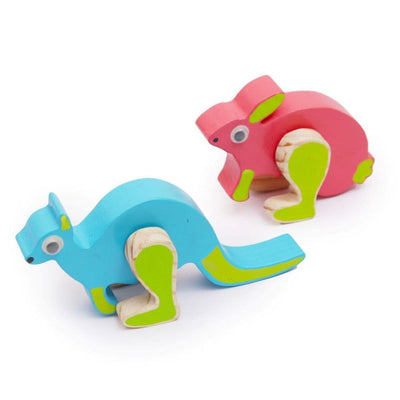
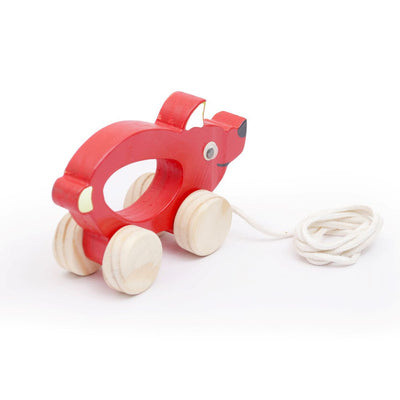
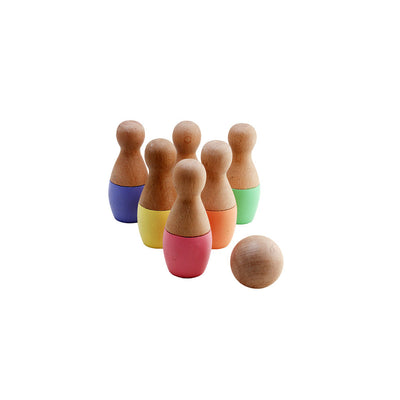
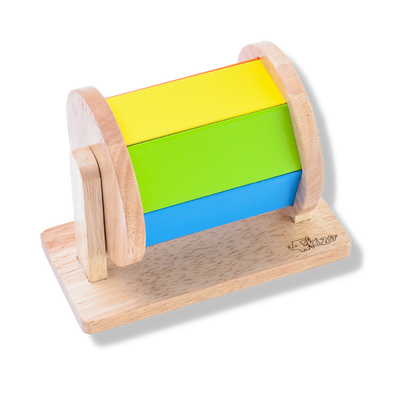
Wooden Toys vs Plastic Toys: Eco-Conscious Indian Parents Choose
For eco-conscious Indian parents, the choice between wooden toys vs plastic toys is a fundamental decision that shapes a child's play and future. As concerns about environmental impact and chemical exposure grow, families across India are increasingly opting for natural play alternatives. This definitive comparison will explore why wooden toys are the superior, more sustainable choice for modern Indian homes.
What is Natural Play? Natural play refers to engaging children with toys made from natural, sustainable materials like wood, cotton, or wool, often emphasizing open-ended and imaginative interaction. This matters because it fosters holistic development, reduces environmental impact, and provides a safer play experience. Indian parents can empower their children with toys that align with both traditional values and modern ecological consciousness.
The Eco-Conscious Choice: Why Wooden Toys Triumph Over Plastic
The environmental footprint of toys is a critical concern for eco-friendly toys India. Plastic toys, derived from fossil fuels, contribute significantly to global pollution, taking hundreds of years to decompose and often ending up in landfills or polluting our oceans and rivers. Research shows that plastic production alone is a major emitter of greenhouse gases, exacerbating climate change.
In contrast, wooden toys are crafted from renewable resources, often sustainably sourced from forests. When a wooden toy eventually reaches the end of its life, it biodegrades naturally, returning to the earth without leaving behind toxic microplastics. This commitment to sustainability makes wooden toys a clear choice for parents aiming for a greener future for their children in India.
Safety First: A Parent's Priority for Kids in India
The safety of our children is paramount, and this is where the debate of wooden toys vs plastic toys takes a critical turn. Plastic toys, especially cheaper variants, often contain harmful chemicals like BPA, phthalates, and PVC, which have been linked to developmental issues and endocrine disruption. These chemicals can leach out, particularly when exposed to heat or repeated mouthing by curious toddlers.
Studies indicate that children's exposure to such chemicals can have long-term health consequences. Safe toys for kids India means choosing options finished with non-toxic, water-based paints and natural oils, ensuring they are free from hazardous substances. Wooden toys offer a solid, sturdy construction that rarely breaks into sharp, dangerous shards, providing peace of mind for Indian parents watching their little ones explore.
Nurturing Minds: Developmental Advantages of Wooden Toys
Child development experts agree that simple, open-ended toys are superior for cognitive and creative growth. Unlike many plastic toys with flashing lights and pre-programmed sounds that dictate play, wooden toys encourage children to use their imagination and problem-solving skills. A simple set of wooden blocks can become anything from a towering skyscraper to a humble home during festival season.
The benefits of wooden toys extend to sensory development. The natural texture, weight, and subtle scent of wood engage a child's senses more deeply than smooth, uniform plastic. This tactile experience is crucial for brain development and helps children understand concepts like balance, gravity, and cause-and-effect, aligning perfectly with Montessori principles that prioritize real-world exploration and sensory learning.
Montessori Toys vs Plastic: Fostering Deeper Learning
Maria Montessori's philosophy champions purposeful, child-led learning with carefully chosen materials. When considering Montessori toys vs plastic, the distinction is clear. Montessori educational materials, often crafted from wood, are designed to isolate concepts, encourage self-correction, and foster concentration. Think of the iconic Pink Tower or Sandpaper Letters – their wooden construction is integral to their educational efficacy.
Plastic toys, by contrast, are frequently overstimulating and prescriptive, limiting a child's creative input. Wooden Montessori toys promote sustained engagement, allowing children to discover concepts at their own pace, a valuable approach amidst the academic pressures often faced by Indian children. This type of play cultivates independence and a lifelong love for learning, echoing the wisdom passed down by grandparents in Indian households.
Longevity & Value: An Investment for Indian Families
While plastic toys might appear cheaper initially, their short lifespan often leads to more purchases, creating a cycle of consumption and waste. Wooden toys, especially those of high quality, are built to last. They can withstand vigorous play, accidental drops, and the test of time, making them a true investment.
For joint Indian families, this durability means wooden toys can be cherished and passed down through generations, from an elder sibling to a younger cousin, becoming treasured family heirlooms. This tradition of 'quality over quantity' is inherently sustainable and economically sensible, reducing the need for constant replacement and fostering a sense of continuity and shared history within the home.
Choosing sustainable toys for children isn't just about the environment; it's about providing richer, safer, and more developmentally appropriate experiences. By choosing wooden toys, Indian parents are not only investing in their child's holistic growth but also making a conscious statement for a healthier planet. It's a choice that reflects care, foresight, and a deep understanding of what truly benefits a child in the long run.
- Wooden toys are made from renewable resources, making them inherently more eco-friendly than plastic alternatives.
- High-quality wooden toys are free from harmful chemicals like BPA and phthalates, ensuring a safer play environment for children.
- Wooden toys promote open-ended, imaginative play, fostering creativity and critical thinking in ways plastic toys often do not.
- Montessori educational philosophy strongly advocates for natural, simple wooden materials to support child-led learning and development.
- Wooden toys are highly durable and long-lasting, offering better value over time and becoming cherished family heirlooms.
- The tactile nature of wooden toys provides rich sensory experiences crucial for a child's cognitive and fine motor skill development.
Are wooden toys truly more eco-friendly than plastic toys?
Yes, wooden toys are significantly more eco-friendly. They are made from renewable resources, biodegradable, and often produced with minimal environmental impact compared to plastic toys, which rely on fossil fuels and contribute to persistent pollution.
What are the specific developmental benefits of wooden toys?
Wooden toys foster open-ended, imaginative play, enhancing creativity, problem-solving skills, and fine motor development. Their simple design encourages children to be active participants in their play, rather than passive observers.
Are wooden toys safe for infants and toddlers in India?
Yes, high-quality wooden toys are exceptionally safe for infants and toddlers. They are typically finished with non-toxic, child-safe paints and sealants, are sturdy, and lack small, easily detachable parts found in many plastic alternatives, making them ideal for young children in Indian homes.
How do Montessori principles relate to choosing wooden toys?
Maria Montessori advocated for natural, simple materials that engage a child's senses and promote purposeful learning. Wooden toys perfectly embody these principles, offering tactile experiences and encouraging self-directed exploration, aligning directly with Montessori educational philosophy.
Do wooden toys last longer than plastic toys for Indian families?
Yes, wooden toys are renowned for their durability and longevity. Unlike plastic toys that often break or degrade, well-crafted wooden toys can withstand years of play, making them valuable heirlooms that can be passed down through generations in joint Indian families.