



Practical Life Montessori Materials
Parent's buying guide
How to introduce practical life materials at home:
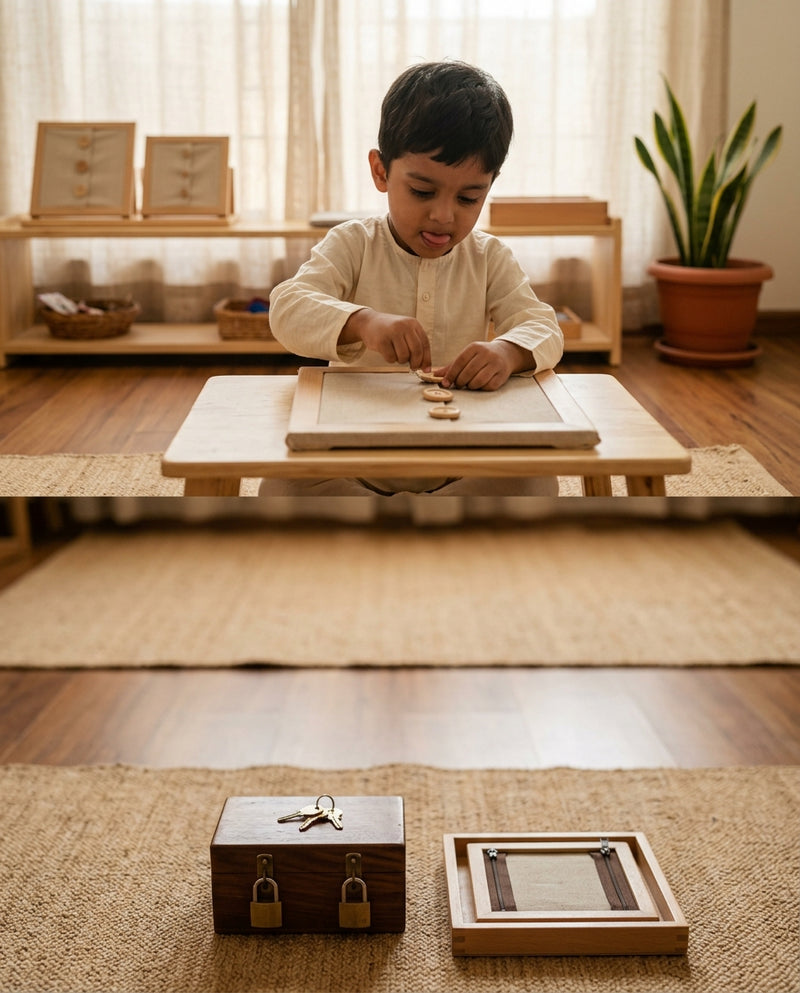
Start with the fastening your child encounters most in daily life. If their school bag has a zip, start with Zip Frame. If they wear shirts with buttons, start with Shirt Button Frame. If they wear shoes with velcro, start there. Matching to real life is what makes a frame motivating.
For ages 2.5 to 3: Press Button Frame and Velcro Frame. These have the most generous tolerance for small fumbling fingers and give the fastest wins. Confidence builds, more challenging fastenings follow naturally.
For ages 3 to 4: Zip Frame, Shirt Button Frame, Pant Hooks Frame. The skills that map directly onto Indian school uniform readiness. Six months of practice = a class 1 child who dresses themselves with no help.
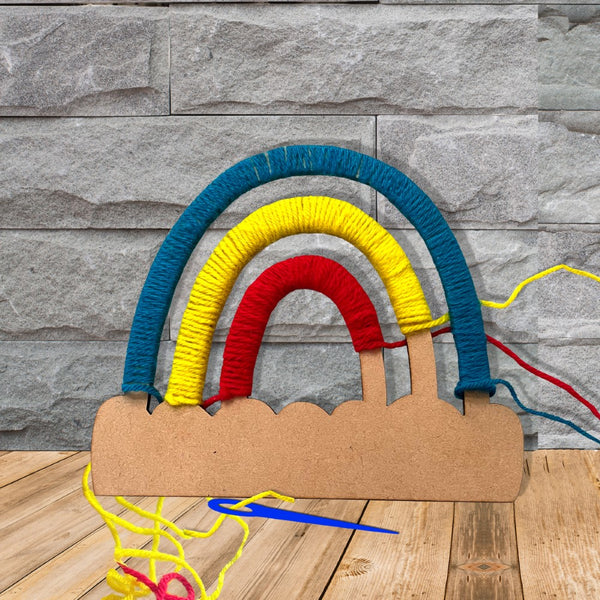
For ages 4 to 5: Shoe Lacing, Safety Pins, Ribbon or Bow, Hooks Frame. The more sophisticated fastenings that need real bilateral coordination. Ribbon Bow is also the foundation for tying laces eventually.
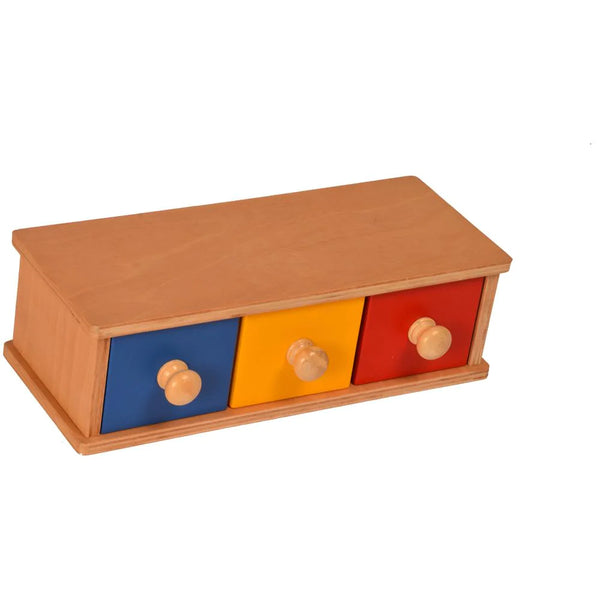
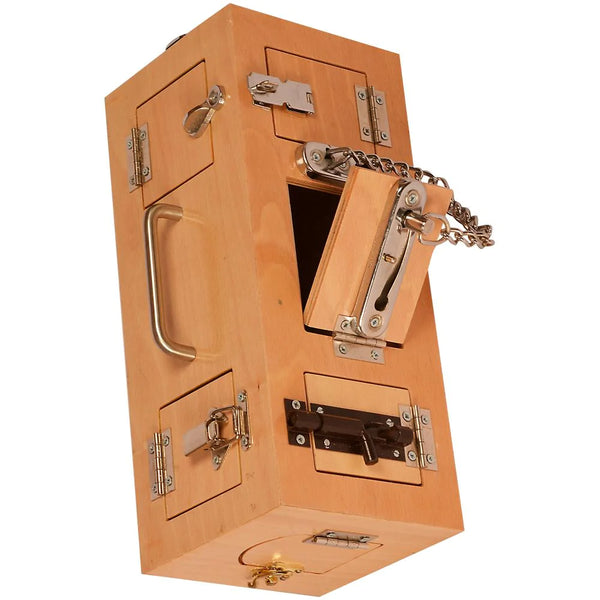
For ages 3 to 6: Little Lock Wooden Box. Often the most-loved material in the home. Padlocks, latches, chain bolts, sliders - the child learns 8 different real-world locking mechanisms. Used daily for 3 years easily.
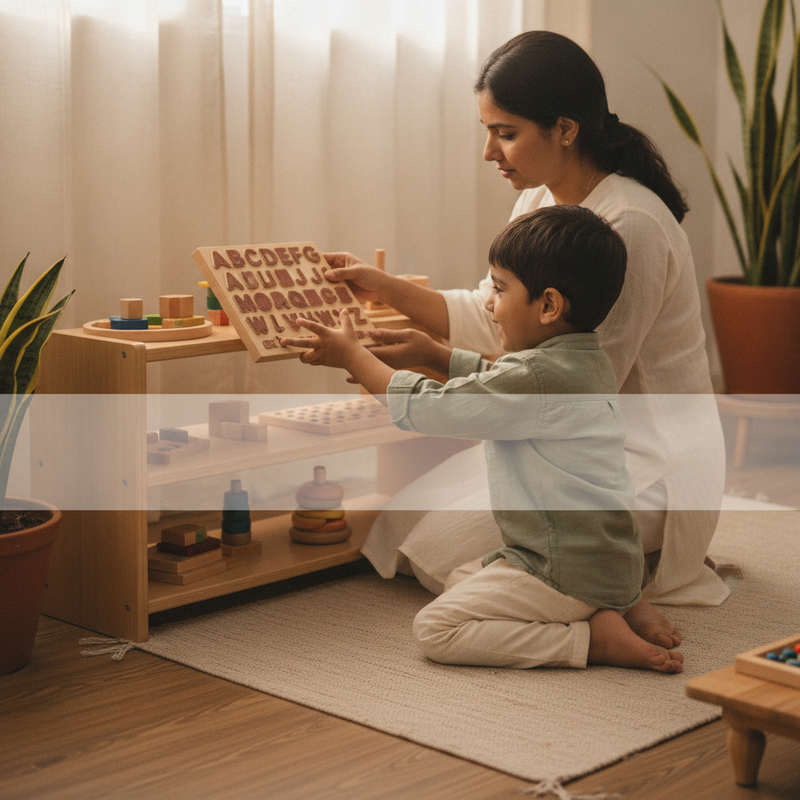
How to demonstrate: sit beside the child (not across), show the motion slowly with your hands without narrating, then hand it over. Resist correcting. 10 to 15 minute sessions, two or three times a week. Mastery emerges in days, not months.
Skills this shelf builds
What this collection actually builds:
Independence in daily dressing. The 4 year old who can do their own school shirt buttons, fasten their pant hooks and tie their own laces walks into class 1 with a quiet pride that lasts. Less waiting for adults, more self-respect.
Fine motor precision and hand strength. Buttoning, zipping, lacing and locking work small muscles that pencil and pen use later. Children who do practical life consistently develop more comfortable handwriting and stronger drawing grip.
Sequential thinking and motor planning. Every fastening is a sequence - button comes through, button settles, next button. The child internalises step-by-step thinking, the foundation for following recipe instructions, solving problems, eventually coding.
Concentration stamina and patience. A fastening frame is one of the few activities that holds a 3 year old's full attention for 15 to 20 minutes uninterrupted. This is the foundation of every later academic skill - the ability to stay with a task until it is finished.