Baby Auditory Development: Ancient Lessons for Modern Ears
Understanding your baby auditory development from 0-12 months is fundamentally important, shaping their brain connections and future learning. This critical period, much like the unexpected growth patterns observed in ancient findings, underscores the intricate and universal process of early development that every Indian parent can actively support.
Recently, a 50,000-year-old Neanderthal baby fossil revealed 'unexpected growth patterns' in its ear structure, providing fascinating insights into ancient human development and how ears evolve. This discovery highlights the universal significance of ear growth and hearing, prompting us to reflect on how we nurture our own infants' auditory senses today.
What is Baby Auditory Development?
Baby auditory development refers to the process by which an infant's hearing system matures, enabling them to perceive, process, and understand sounds. This matters immensely because healthy auditory development is directly linked to language acquisition, cognitive growth, and social-emotional skills. Indian parents can actively foster this development through consistent interaction and a stimulating sound environment.
From the gentle hum of a mother's lullaby to the vibrant chatter of a joint family gathering, every sound contributes to a baby's growing understanding of their world. This foundational period ensures that their brain creates the neural pathways necessary for lifelong learning.
Infant Hearing Development: A Timeline of Milestones
Just as ancient growth patterns unfolded in specific sequences, infant hearing development follows a predictable, yet miraculous, timeline. Understanding these milestones helps parents appreciate their baby's journey and address any concerns early.
Newborns startle at loud noises, recognizing their parents' voices and calming to familiar sounds. By 3-6 months, babies turn their heads towards sounds, smile when spoken to, and begin babbling. This early responsiveness is crucial for building communication foundations.
Between 6-9 months, infants start responding to their own name, understand 'no', and string together more complex babbles. They might imitate sounds they hear in their Indian home, like the rhythmic clang of cooking utensils or the distinct call of a street vendor.
By 9-12 months, a baby's auditory processing becomes much more sophisticated. They can understand simple commands, point to familiar objects when named, and might even try to say their first words. This period is pivotal for language readiness and social interaction within the family.
The Science of Sound: How Babies' Ears Grow and Adapt
The human ear is an intricate marvel, and its development, much like the ancient ears whose patterns are still being 'rewritten' by new findings, is fundamental to a baby's overall growth. From birth, a baby's ear structures are largely formed, but their ability to process complex sounds refines significantly throughout the first year.
Studies indicate that exposure to varied sounds actively shapes the auditory cortex in a baby's brain, strengthening neural connections. This process allows them to distinguish between different speech sounds, tones, and environmental noises, which is critical for language acquisition and understanding their surroundings.
Early Hearing Stimulation: Why It Matters for Brain Development
Early hearing stimulation during the 0-12 month period is not merely about exposing babies to sound; it's about providing rich, meaningful auditory experiences that foster optimal brain development. Research shows that up to 80% of a child's brain develops by age three, with a significant portion of neural connections forming in the first year.
A well-stimulated auditory environment directly contributes to the development of pathways responsible for language, memory, and cognitive skills. Depriving an infant of varied sounds during this critical window can impact their ability to process and interpret information later in life.
Montessori Sound Activities: Nurturing Sensory Development (0-12 Months)
Maria Montessori emphasized that children learn through their senses, and auditory development is no exception. Montessori sound activities are designed to engage a baby's hearing in a focused and meaningful way, promoting concentration and discrimination skills.
Simple activities can make a profound difference. Offer your baby different types of rattles or musical instruments with distinct sounds. Encourage them to shake or bang them gently, helping them connect action with sound. Remember, quality over quantity is key; focused engagement with one sound at a time is more beneficial than overwhelming them with noise.
Creating a Rich Auditory Environment in Indian Homes
In the bustling, vibrant setting of an Indian home, there are countless natural opportunities for nurturing a baby's hearing. Talk to your baby constantly, describing what you're doing, whether you're preparing a meal or tending to the garden. Sing traditional lullabies and folk songs.
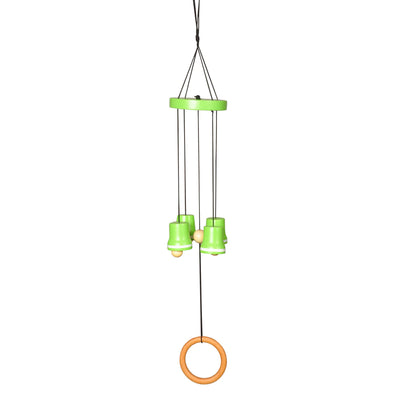
Engage in 'sound walks' around the house or neighbourhood, pointing out the chirping birds, the temple bells, or the gentle hum of the ceiling fan. Introduce Montessori sound cylinders or bells that allow babies to explore different pitches and tones in a structured way. Minimize excessive background noise from televisions or devices, creating calm periods for active listening and interaction.
Grandparents and other family members play a vital role too, sharing stories, reciting rhymes, and speaking in multiple languages. This rich linguistic tapestry naturally enhances a child's auditory processing abilities and introduces them to the diversity of sounds within their own culture.
Supporting Your Little Listener's Journey
Nurturing your baby's auditory development is an enriching journey, grounded in both ancient patterns of growth and modern scientific understanding. By creating a stimulating, responsive environment, Indian parents empower their infants to not just hear, but to truly listen, learn, and connect with the world around them.
Remember, every coo, every babble, and every responsive glance is a step forward in their amazing auditory adventure. Embrace these moments and know that your active involvement makes all the difference in shaping their future.
- Baby auditory development is critical for language, cognitive, and social skills in the first year.
- Infant hearing follows a predictable timeline, with key milestones from birth to 12 months.
- Early sound exposure significantly shapes brain development and neural pathways for hearing.
- Montessori sound activities promote focused listening and sound discrimination.
- Creating a rich, language-filled home environment is essential for optimal auditory growth.
- Limiting background noise and engaging in responsive interaction strengthens a baby's hearing abilities.
When do babies typically start hearing and responding to sounds?
Babies begin hearing sounds in the womb and are born with the ability to hear. They typically start responding to sounds by startling or turning their head towards the source within the first few weeks, with more purposeful responses developing around 3-4 months.
How can I actively stimulate my infant's hearing at home?
You can stimulate your infant's hearing by talking, singing, reading aloud, and introducing varied sounds through rattles or everyday objects. Ensuring a rich language environment and responding to their babbles are crucial for early hearing stimulation.
What are the signs of healthy hearing development in a 0-12 month old?
Signs of healthy hearing development include startling at loud noises, calming to your voice, turning towards sounds, recognizing your voice, babbling, responding to their name, and trying to imitate sounds by 9-12 months. Consistent observation helps ensure milestones are met.
Are certain types of sounds more beneficial for baby auditory development?
Research shows that human speech, particularly parental voices and varied language, is most beneficial for baby auditory development. Exposure to diverse, natural sounds like traditional music, nature sounds, and different vocal tones enriches their auditory experience more than excessive screen time or background noise.
How do Montessori principles support a baby's auditory development?
Montessori principles support auditory development by providing carefully designed, purposeful materials that isolate sound as a sensory experience, such as sound cylinders or musical instruments. This approach encourages focused listening, sound discrimination, and active engagement, fostering deeper auditory processing and concentration.