Early Investment in Children India: Building Our Nation's Future
The recent headline in The Hindu, 'Early investment in children, the key to India's future,' resonates deeply with every Indian parent. Indeed, making an early investment in children India is not just about individual child well-being, but strategically crucial for the nation's progress. Research shows that the first year of life is a period of explosive brain development, setting the stage for all future learning and adaptability.
Early investment in a baby's development, especially during the pivotal 0-12 months, lays the foundational neural pathways for future cognitive, emotional, and social growth, which is critical for India's human capital development. This early stimulation ensures children are ready for learning, innovation, and contributing positively to society, directly fueling the nation's progress and reducing the burden of remedial education.
What is Early Investment in Children's Development?
Early investment in children's development refers to providing nurturing environments, responsive care, and age-appropriate stimulation during the foundational 0-12 month period. This matters because it establishes crucial brain architecture for lifelong learning and well-being. Indian parents can proactively engage their infants with sensory experiences and meaningful interactions, fostering a robust start.
Child development experts agree that the first 1,000 days, starting from conception, are the most critical window for shaping a child's brain and body. By the age of one, an infant's brain has already formed billions of connections, absorbing information at an astonishing rate. This foundational year impacts everything from language acquisition to emotional regulation and problem-solving skills.
Montessori for India's Future: Nurturing Genius from Day One
The Montessori philosophy, pioneered by Dr. Maria Montessori, offers a profound framework for this early investment. It emphasizes respecting the child as an individual, providing a 'prepared environment,' and encouraging self-directed learning from birth. This approach is not merely about academics; it's about fostering independence, concentration, and a lifelong love of learning – qualities essential for the citizens of a rapidly developing India.
For parents across India, embracing a Montessori perspective for infant development means observing their baby keenly, understanding their innate curiosities, and offering materials that cater to their developmental stage. It's about creating a peaceful, stimulating home environment, whether in a sprawling bungalow or a compact city apartment, where the child feels safe to explore.
Consider the simple act of a baby reaching for a wooden rattle versus an electronic toy. The rattle allows the child to discover cause and effect, develop fine motor skills, and use their imagination. This open-ended play is a cornerstone of Montessori and critical for building the problem-solving and creative thinking skills that India's future economy demands. As UNICEF's reports consistently highlight, early childhood development programs are among the most cost-effective investments a nation can make.
Infant Development India: Milestones as Milestones for a Nation
Tracking infant development India is not just about ensuring your child is meeting personal milestones; it's about building a robust foundation for a generation. Each small step – from grasping to rolling, sitting to crawling – signifies complex neurological development. For anxious new parents in Bengaluru and beyond, understanding these milestones can bring reassurance and guide their interactions.
When a baby starts to track objects with their eyes, it signifies developing visual perception. When they purposefully grasp a Montessori sensory ball, it's a leap in fine motor control and hand-eye coordination. These aren't just isolated skills; they are interconnected pieces of a cognitive puzzle that will enable them to learn, adapt, and innovate later in life. Research from the Harvard Center on the Developing Child consistently shows that positive, responsive relationships are the single most important factor in healthy brain development.
Grandparents in Indian joint families often instinctively provide this rich interaction, from traditional oil massages that offer vital proprioceptive input to the lullabies sung in regional languages that foster early language development. These cultural practices, often passed down generations, are powerful forms of early stimulation.
The Importance of Early Childhood Education India: Beyond Just Academics
While formal schooling begins later, the importance of early childhood education India truly starts at birth. It's about creating a learning-rich environment, not a classroom. For infants, this means providing opportunities for sensory exploration, fostering secure attachments, and encouraging movement.
Think about a child in a busy Indian household. Even seemingly mundane activities like observing a grandparent making chai or feeling the texture of a cotton saree are rich learning experiences. These interactions build neural pathways for observation, understanding sequences, and sensory discrimination. This kind of organic, embedded learning is far more impactful than rote memorization.
Educational Toys for Babies 0-12 Months: Smart Choices for Bright Futures
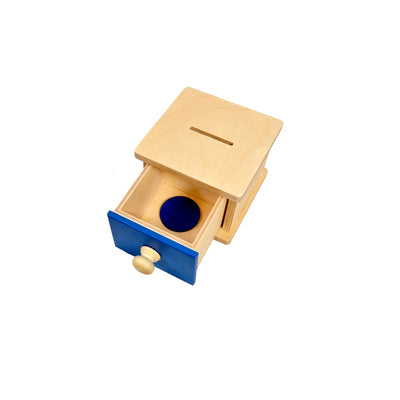
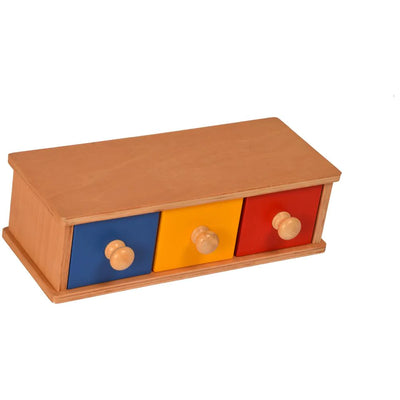
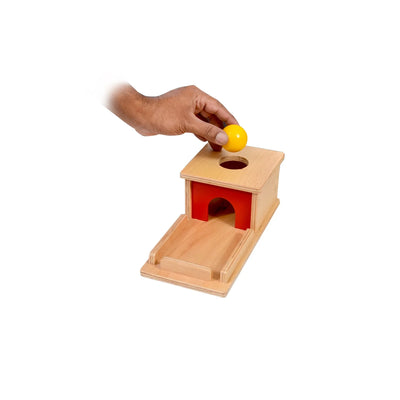
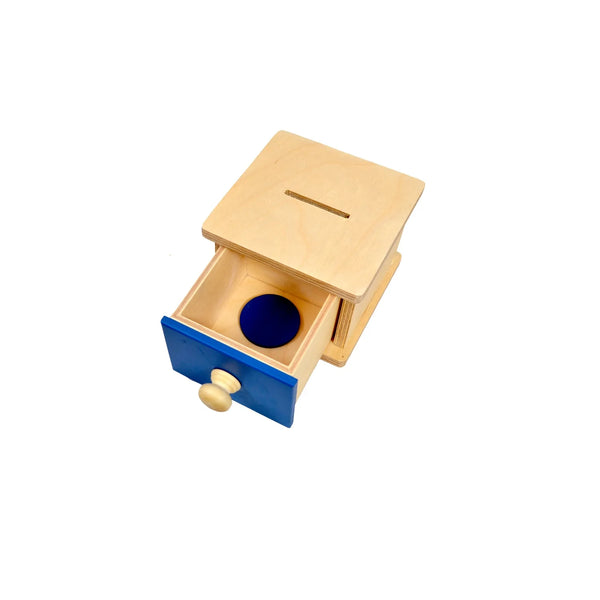
Choosing the right educational toys for babies 0-12 months is a strategic part of this early investment. Instead of flashing lights and loud noises, opt for simple, open-ended Montessori materials that encourage active engagement from your little one. Wooden rattles, soft fabric books, stacking rings, and object permanence boxes are excellent choices.
These types of toys, available in our Montessori Method Learning Materials collection, require the baby to do the work of imagining, manipulating, and discovering. This self-directed exploration builds concentration, problem-solving skills, and a sense of accomplishment. It is this active engagement, rather than passive entertainment, that truly fuels brain development and sets a child on a path to becoming a contributing citizen of India.
Child Development India Future: A Collective Responsibility
The vision of a thriving India, as highlighted by 'The Hindu,' hinges on the foundational health and cognitive development of its youngest citizens. Child development India future is not just a parental concern; it's a collective responsibility. Government initiatives, community support, and parental choices all intertwine to create an ecosystem where every child can flourish.
For parents, this means embracing their role as their child's first and most important teacher. It means prioritizing responsive care, engaging play, and a stimulating home environment. Tonight, during your baby's bath time, simply talk to them about the warm water and the bubbles. Observe their reactions and respond with joy. These small, consistent interactions are the true building blocks of India's future.
Investing in your baby's first year is an investment in their personal potential and, by extension, in the strength and innovation of our nation. Choose materials and methods that foster genuine development, like the Montessori approach, and watch your little one, and India, thrive.