CDC India Baby Development: 0-12 Months Healthy Start
New parents in India often seek authoritative guidance for their baby's crucial first year, and understanding CDC India baby development guidelines offers immense reassurance. These guidelines provide a vital framework for ensuring your infant's healthy growth and well-being from birth to 12 months. Leveraging insights from trusted sources like the CDC, adapted for our local context, helps parents track key milestones, understand preventative health measures, and create a nurturing environment that supports holistic physical, cognitive, and emotional development.
As the 'CDC in India' continues to be a point of interest, we're exploring how these global health benchmarks translate into actionable steps for Indian families. Child development experts agree that the first year is a period of rapid and profound change, laying the foundation for future learning and well-being. By aligning our parenting practices with these scientifically-backed recommendations, we can empower our babies to thrive.
What are CDC India Baby Development Guidelines?
CDC India Baby Development Guidelines offer evidence-based recommendations and checklists for tracking infant milestones, ensuring timely immunizations, and promoting a safe, stimulating environment. This matters because consistent adherence to these guidelines significantly reduces developmental risks and supports optimal growth. Indian parents can use these as a trusted resource to proactively engage with their baby's health journey, confident in the expert advice they receive.
Tracking Key Baby Milestones: A CDC India Approach
Understanding your baby's developmental journey through key milestones is one of the most reassuring aspects of parenthood. The baby milestones India CDC framework helps parents identify what to expect as their little one grows. While every child is unique, these guidelines provide a general roadmap.
0-3 Months: Early Connections and Movements
In the first three months, your baby focuses on developing reflexes, sensory awareness, and initial social interactions. You'll observe them lifting their head briefly, responding to sounds, and beginning to smile intentionally. Indian parents often find joy in these early interactions, as grandparents and other family members celebrate every new coo and gaze.
3-6 Months: Discovering Hands and Voices
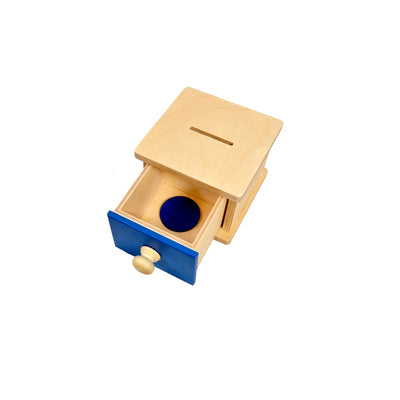
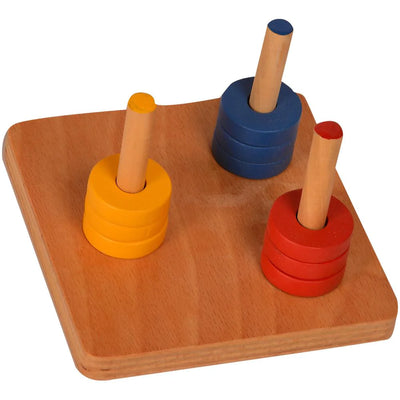
By 6 months, babies typically reach for objects, bring things to their mouth, and begin to roll over. They start babbling more expressively, sometimes trying to mimic sounds. This is an excellent time to introduce simple, safe Montessori grasping toys that encourage exploration and fine motor skill development, such as lightweight rattles or wooden rings.
6-9 Months: Sitting Up and Object Exploration
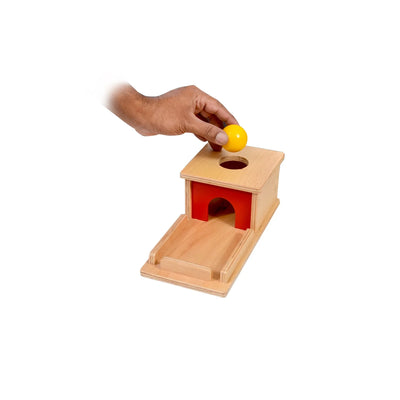
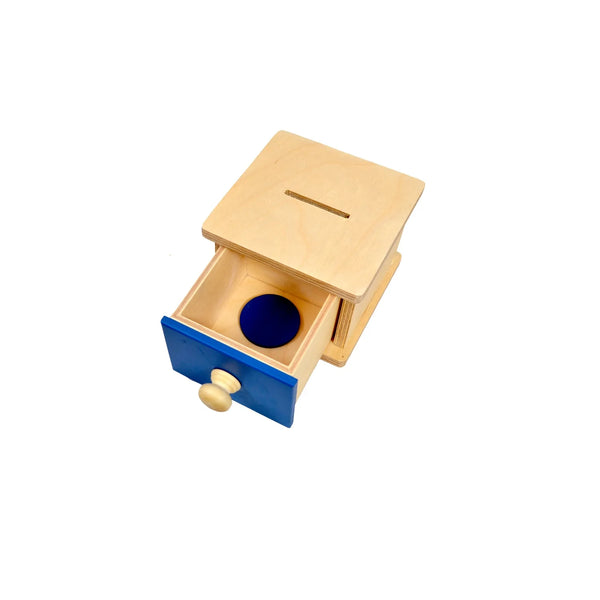
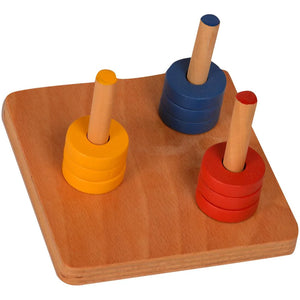
Between 6 and 9 months, most babies learn to sit without support, crawl, and transfer objects between hands. Their curiosity blossoms, leading them to explore textures and sounds more actively. Simple Montessori stacking blocks or shape sorters become engaging as they develop object permanence and problem-solving skills.
9-12 Months: First Steps and Words
The period from 9 to 12 months is often marked by cruising, pulling to stand, and even taking first steps. Babies start to respond to their name, wave goodbye, and might say "mama" or "dada." These are critical months for both gross motor development and early language acquisition. Observing these moments, especially during festivals or family gatherings, highlights their rapid growth.
Preventative Health & Safe Environment for Indian Infants
Beyond tracking milestones, infant health guidelines India from authorities like CDC emphasize preventative care and creating a nurturing environment. Ensuring your baby's health means protecting them from illness and providing a stimulating, secure space for growth. UNICEF recently noted India's sustained progress in reducing child deaths, underscoring the impact of robust health strategies.
Immunisation and Nutrition: Cornerstones of Health
Timely immunisations are non-negotiable for protecting infants from preventable diseases. Consult your paediatrician for the recommended vaccination schedule, which is vital for your baby's long-term health. Nutrition also plays a paramount role; research shows exclusive breastfeeding for the first six months provides unparalleled benefits. The Ministry of Women and Child Development's observation of World Breastfeeding Week further highlights its importance, advocating for this natural, potent health booster.
Creating a Safe Baby Environment in an Indian Home
A safe baby environment India focuses on making your home, whether a bustling joint family setup or a compact metro apartment, conducive to exploration without hazards. This involves securing furniture, using outlet covers, and keeping small, chokeable items out of reach. For floor time, ensure a clean, padded space where your baby can freely roll and crawl. This freedom of movement, within safe boundaries, is essential for gross motor development.
Montessori Principles for Holistic, Healthy Development
Maria Montessori's philosophy perfectly complements the holistic approach to development advocated by health guidelines. By embracing Montessori healthy development, parents empower their children to be active participants in their own learning. Instead of merely occupying a child, Montessori materials are designed to engage specific developmental needs, fostering concentration, independence, and a love for learning.
For instance, simple wooden toys, rather than elaborate electronic ones, encourage imagination and problem-solving. A baby exploring a Montessori mobile or grasping a carefully designed ring is not just playing; they are refining their visual tracking, hand-eye coordination, and developing a sense of cause and effect. This self-directed activity builds foundational cognitive and motor skills, directly supporting the milestones outlined in CDC guidelines.
When to Seek Expert Advice: CDC India's Guidance for Parents
While milestones provide a general guide, every child develops at their own pace. However, it's crucial for parents to be attentive. If you notice your baby consistently misses several milestones, loses skills they once had, or you have any persistent concerns, consult your paediatrician. The Indian Academy of Pediatrics (IAP) stresses the importance of regular check-ups, which serve as opportunities for your doctor to assess development and offer personalised guidance. Trust your instincts as a parent; early detection and intervention can significantly impact a child's developmental trajectory.
Ensuring your baby's healthy start means being informed, proactive, and nurturing. By integrating CDC India baby development guidelines with practical parenting approaches, including the wisdom of Montessori, you can confidently support your little one through their incredible first year. Observe their unique cues, celebrate their achievements, and create an environment where they can flourish, rooted in safety and love.