Baby Growth Patterns: Ancient Lessons for Modern Indian Parents
Research into baby growth patterns is consistently revealing that every child truly develops at their own unique pace, a scientific truth beautifully underscored by a recent, groundbreaking discovery. The finding of a 50,000-year-old Neanderthal baby with an unexpected growth pattern, as reported by The Times of India, powerfully confirms that there is no single 'normal' timeline for infant development. This insight offers immense baby milestone reassurance for Indian parents, reminding us that individual journeys are the norm, not the exception.
For new and expecting parents in India, the joy of a baby's arrival often comes with a natural anxiety about 'first-year milestones.' In a country where grandparents and joint families play a significant role, comparisons and well-meaning advice can sometimes add to this pressure. This discovery from ancient history, coupled with modern infant development science, serves as a powerful reminder to embrace your baby's unique unfolding.
What are Baby Growth Patterns?
Baby growth patterns refer to the unique sequence and rate at which an infant develops physically, cognitively, emotionally, and socially from birth. This matters because understanding these individual patterns helps parents and caregivers support a child's natural unfolding. Indian parents can celebrate each tiny step, knowing their baby's journey is their own.
Decoding Unique Baby Development: Lessons from Ancient Times
The recent discovery of a Neanderthal baby fossil challenges long-held beliefs about early human development, indicating that growth trajectories were far more diverse even tens of thousands of years ago. This ancient evidence reinforces what modern science increasingly confirms: there is significant variation in how infants develop. For parents concerned about their child’s progress compared to charts, this is a profound reassurance. Studies indicate that up to 15% of children may develop key motor skills outside of average timelines without any underlying issues.
This scientific perspective directly informs our understanding of unique baby development. Factors like genetics, nutrition, environment, and even cultural interactions significantly shape a child’s progress. Initiatives like Poshan Maah 2025, which focuses on 'Building a Healthier Future for Every Child,' underscore the critical importance of good nutrition in supporting healthy growth patterns across India. Ensuring a balanced diet is a foundational step in nurturing your baby's unique journey.
The Montessori Approach to Growth: Respecting Every Child's Pace
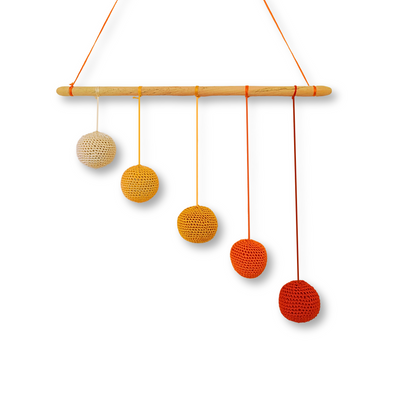
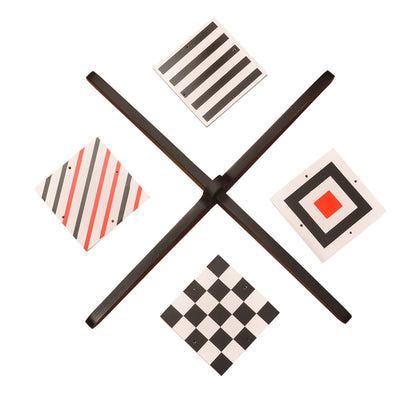
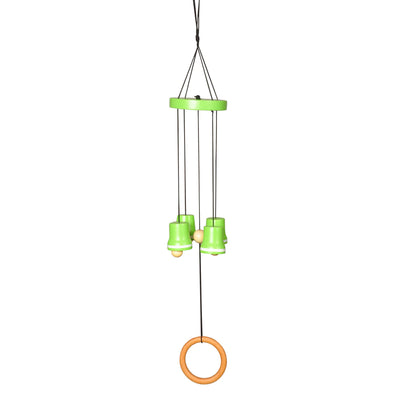
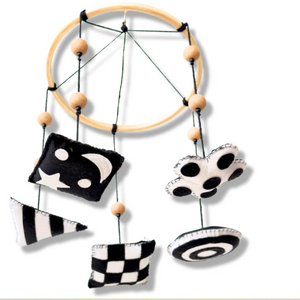
Maria Montessori, a pioneer in child education, always advocated for respecting the individual child's pace and inherent drive to learn. Her philosophy perfectly aligns with the scientific understanding of diverse growth patterns. Instead of rigid timelines, Montessori encourages parents and educators to observe the child, understand their unique sensitivities, and provide a 'prepared environment' that supports their natural development. For example, materials like our Sensory Materials are designed not for a specific age, but for when a child shows readiness to explore textures, shapes, and sounds.
Early Childhood Growth: Beyond the Milestones Chart
While milestone charts can be helpful guides, they are often a source of anxiety for many Indian parents. The pressure, sometimes from well-meaning relatives or community comparisons during festivals and family gatherings, can be immense. Experts in early childhood growth consistently advise against treating these charts as absolute deadlines. Every baby, like a unique sapling, blossoms on its own schedule. Your baby's first crawl or first word might arrive earlier or later than the 'average,' and both are perfectly normal variations within healthy development.
Instead of fixating on precise dates, celebrate the progress. Focus on providing rich experiences that stimulate growth across all domains. For developing gross motor skills, simple wooden push-carts or climbing structures, available in our Gross Motor Development collection, offer children the freedom to move and explore at their own pace, strengthening their bodies naturally.
Baby Milestone Reassurance: Trusting Your Child's Journey
The greatest gift you can give your child is trust in their intrinsic ability to grow. Child development experts agree that consistent observation of your baby's engagement and overall well-being is more crucial than ticking off boxes on a chart. Pay attention to their interests, their attempts, and their joyful discoveries. This observational approach is central to the Montessori philosophy, helping parents understand their child's 'sensitive periods' – moments when they are most receptive to learning specific skills.
Creating a stimulating home environment, rich in appropriate materials, allows your baby to explore and learn without pressure. Simple activities like exploring household items safely or engaging with Practical Life materials help build concentration and fine motor skills at their own speed. Remember, parental anxiety can sometimes translate to a child, so cultivating a calm, supportive atmosphere is paramount.
Infant Development Science: Insights for Indian Homes
Modern infant development science continues to provide profound insights into the complex interplay of factors shaping a baby's first year. Research shows that early experiences, nutrition, and secure attachments are far more predictive of long-term healthy development than adhering to rigid milestone timelines. The launch of initiatives like Panacea Biotec's toxin-free baby care line and infant milk substitute in India reflects a growing national commitment to holistic infant well-being, acknowledging the diverse needs of our children.
This scientific backing reinforces the message: your baby is unique, and their development journey is their own. As India progresses in its understanding of early childhood, SkilloToys stands as an authoritative source, offering scientifically aligned, Montessori-based educational toys that truly respect and nurture your child's individual path.
- Research confirms that every baby's growth pattern is unique, with significant individual variations being normal.
- The 50,000-year-old Neanderthal baby discovery supports the scientific consensus that there is no single 'normal' developmental timeline.
- Montessori philosophy emphasizes respecting a child's individual pace and providing a prepared environment over rigid milestone tracking.
- Milestone charts serve as guides, not strict deadlines, and parental anxiety about them is common but often unwarranted.
- Proper nutrition, as highlighted by initiatives like Poshan Maah, is crucial for supporting healthy and diverse baby growth patterns.
- Observing your child's unique interests and readiness, rather than comparing, is key to fostering optimal early childhood development.
Is it normal for my baby to not meet milestones exactly on time?
Yes, it is completely normal. Research consistently shows that every baby develops at their own unique pace, and milestone charts are guides, not strict deadlines. Your child's individual journey is valid and should be celebrated.
How does the Montessori approach view unique baby development?
The Montessori approach deeply respects the child's individual pace, focusing on observation and providing a prepared environment that supports natural development. It encourages parents to follow the child's readiness rather than imposing external timelines.
What should I do if I am anxious about my baby's growth?
Focus on observing your baby's progress, celebrating their unique achievements, and providing a nurturing environment. If you have significant concerns, consult with your pediatrician for personalized advice and reassurance, as they are the best resource for medical guidance.
Can diet and nutrition impact my baby's growth patterns?
Absolutely. Proper nutrition is fundamental to healthy baby growth patterns, influencing physical and cognitive development. Initiatives like Poshan Maah highlight the critical role of a balanced diet in building a healthier future for every child in India.
Are there specific Montessori toys for different stages of infant development?
Yes, Montessori materials are designed to support specific developmental needs at various stages, from sensory exploration for infants to fine motor skill development and practical life activities as they grow. SkilloToys offers a wide range of age-appropriate, thoughtfully designed materials.