Wooden Puzzles for Kids: Baby Sensory Play (0-12 Months)
As new parents in India, the first year with your baby is a whirlwind of firsts, milestones, and often, a touch of anxiety about doing everything right. While the world of toys can seem overwhelming, simple tools like wooden puzzles for kids are incredibly powerful for early development. They offer a unique, Montessori-aligned approach to engaging your baby's senses, laying crucial foundations for their growth from day one.
Montessori wooden puzzles for babies 0-12 months aren't about complex problem-solving; they are meticulously designed tools for isolating and enhancing sensory experiences, long before your baby can consciously 'solve' anything. This period of intense sensory absorption is critical, shaping how your child perceives and interacts with their world.
What are Montessori Wooden Puzzles for 0-12 Months?
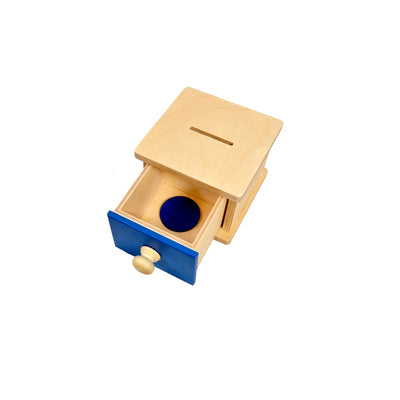
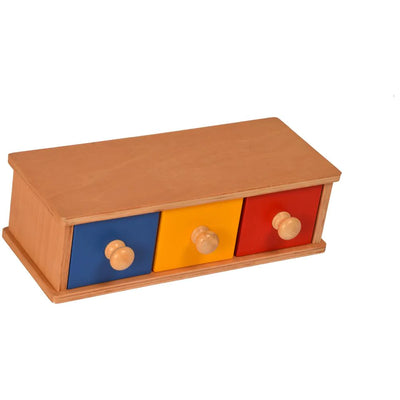
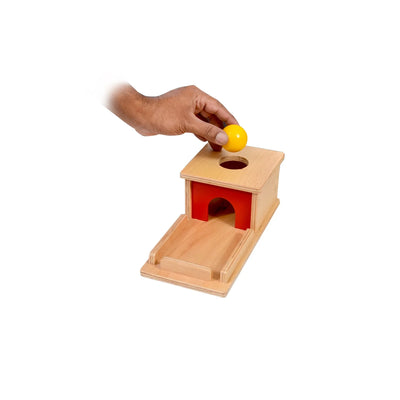
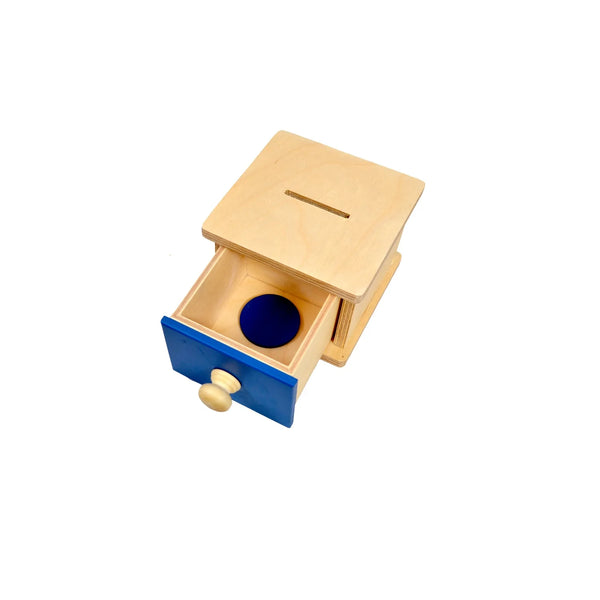
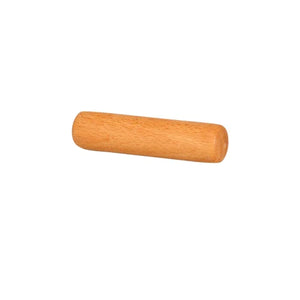
Montessori wooden puzzles for infants are typically solid, chunky, natural wood pieces with simple shapes, textures, or a single knob. They are specifically crafted to invite tactile exploration, visual focus, and gentle manipulation. This matters because direct, hands-on interaction with quality materials helps build neural pathways. Indian parents can easily introduce these safe, open-ended tools during supervised playtime, integrating them into their baby's daily routine.
Montessori Sensory Toys 0-12 Months: Awakening Touch and Sight
Babies explore their world through their senses, and touch is paramount in the first year. Montessori philosophy, championed by Dr. Maria Montessori, emphasizes sensorial learning through natural materials. A simple wooden shape, with its smooth or subtly textured surface, provides distinct tactile input that plastic toys often lack. Your baby will mouth it, feel its weight, and explore its contours, absorbing information about its properties.
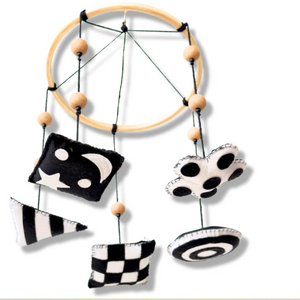
Visually, these puzzles offer clear, high-contrast shapes without overwhelming details. This supports nascent visual tracking and discrimination skills. Just as a Dadi might offer a baby a safe, smooth wooden spoon to explore, these purposefully designed wooden objects encourage a deep, sensory engagement that builds focus and an understanding of the material world around them.
Wooden Puzzles for Babies: Boosting Sensory Development
The benefits of introducing wooden puzzles for babies go beyond just holding an object. Research consistently shows that multi-sensory engagement in infancy is crucial for robust neural pathway development. When your baby grasps a wooden piece, they are not only feeling its texture but also experiencing its weight (proprioception) and hearing the satisfying 'clunk' when it's placed down. This integrates visual, tactile, and auditory feedback.
This early interaction fosters cause-and-effect understanding and hones fine motor skills. The Centers for Disease Control and Prevention (CDC) in India, through its various initiatives, continually highlights the importance of early childhood development, including providing stimulating environments to support cognitive and physical milestones, which these puzzles directly contribute to.
Tactile Learning Baby Toys: More Than Just Touching
For a baby, a wooden puzzle is not about fitting a square into a square hole yet; it's about the isolated experience of the square itself. It's the smooth edges, the weight, the way it feels when dropped, the sound it makes, and the visual boundary of its shape. Child development experts agree that isolating these sensory experiences helps a baby understand individual properties before they need to integrate them for complex tasks.
This hands-on exploration with tactile learning baby toys teaches about dimension, resistance, and gravity long before abstract concepts are introduced. For instance, a baby trying to pick up a slightly heavy wooden cylinder is learning about effort and consequence, a fundamental precursor to later problem-solving, without the distraction of lights or sounds from electronic toys. This fosters a deeper engagement and concentration.
Early Sensory Exploration: How to Introduce Puzzles Safely
Introducing these beautiful wooden puzzles is simple: offer one piece at a time during supervised floor play. Ensure the pieces are large enough to prevent choking hazards and are clean. Let your baby explore freely – mouthing, banging, dropping, and rolling are all valid forms of early sensory exploration. Your role is to observe and provide a safe, calm environment, allowing them to lead their own discovery.
This approach aligns with the progress India sustains in reducing child deaths, as noted by UNICEF. Providing safe, enriching environments and quality educational experiences from infancy is integral to a child's overall well-being and development. Simple wooden toys contribute significantly to this holistic growth, encouraging independence and confidence even in the tiniest hands.
Understanding Baby Puzzle Benefits in the First Year
The benefits of engaging with wooden puzzles in the 0-12 month age range are foundational. They build concentration as babies focus on a single object. They enhance fine motor skills through grasping, reaching, and manipulating. Critically, they foster a sense of independence and self-direction, central tenets of the Montessori approach, as babies learn through their own discoveries.
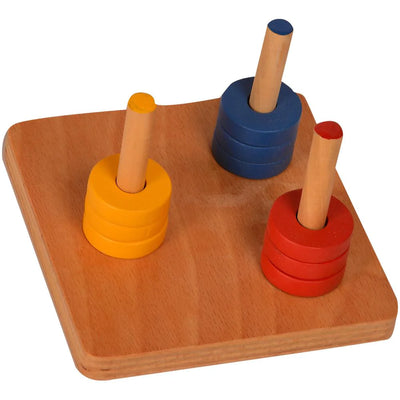
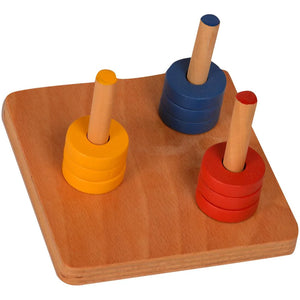
This early engagement with open-ended materials like Montessori stacking toys and simple wooden puzzles sets the stage for more complex learning later. Parents in Bengaluru, often juggling busy schedules, will find these toys offer profound benefits without requiring elaborate setup, allowing for meaningful, sensory-rich interactions during precious moments with their little ones.