Baby Unique Growth Patterns: Ancient Clues for Indian Parents
Recent ancient discoveries, notably a 50,000-year-old Neanderthal baby fossil, definitively show that baby unique growth patterns are a timeless aspect of human development, offering profound reassurance to modern Indian parents. This unexpected finding, reported by The Times of India, highlights that strict developmental timelines are not universally absolute, even in ancient hominins, thereby validating the natural variability in every child's journey.
This groundbreaking news offers a fresh perspective, especially for new parents in India often juggling traditional expectations with scientific advice. It underscores that observing and understanding your child's individual pace is more crucial than adhering rigidly to charts. At SkilloToys, we believe in empowering parents with this knowledge, aligning perfectly with the Montessori philosophy.
What Are Baby Unique Growth Patterns?
Baby unique growth patterns refer to the individual, non-linear progression of a child's physical, cognitive, social, and emotional development, distinct from standardized milestone charts. This understanding matters because it alleviates parental anxiety, promoting a child-led approach. Indian parents can embrace this by observing their child's intrinsic readiness rather than comparing them rigidly.
Research shows that children can hit developmental milestones within a broad age range, often with a variability of several months. Child development experts agree that while milestones provide a general guide, the sequence and timing can differ significantly without indicating a developmental concern. This natural variability is precisely what recent scientific discoveries are reinforcing.
Embracing Infant Developmental Variability: A Timeless Truth
The recent discovery of a 50,000-year-old Neanderthal baby, whose ear development completely defied previous scientific understanding, stands as compelling evidence that unexpected baby development is a fundamental aspect of growth across species and millennia. This groundbreaking report from The Times of India serves as a powerful reminder: development is far from a one-size-fits-all script.
This ancient lesson offers profound relief to Indian families where the pressure to meet developmental markers can be intense, often fueled by well-meaning relatives or the perceived success of other children. It confirms that the human journey of growth has always been, and continues to be, wonderfully diverse. Your baby's individual timing is a testament to their unique blueprint.
Navigating Baby Milestones Anxiety in Indian Homes
For new parents in India, the journey through the first year can often be accompanied by significant baby milestones anxiety. From the first smile to the first step, every milestone becomes a point of comparison, whether against charts, cousins, or the neighbour's child. This anxiety is often heightened in joint family setups, where multiple voices offer advice, sometimes creating confusion rather than clarity.
It is crucial to remember that a baby's developmental journey is not a race, nor is it a rigid checklist. Studies indicate that early achievement of motor skills, for instance, does not consistently predict later cognitive ability. Instead of focusing solely on the 'when', shifting focus to the 'how' and 'what' of your child's exploration and engagement can be far more productive and reassuring. Embrace the joy of discovery at their pace.
The Montessori Way: Observing Baby's Development, Not Just Expecting It
Maria Montessori's philosophy, developed over a century ago, resonates powerfully with these ancient discoveries: children develop at their own pace, guided by an inner drive. The Montessori approach champions observing baby's development closely and respectfully, providing a 'prepared environment' that caters to their emerging interests and abilities, rather than imposing a schedule.
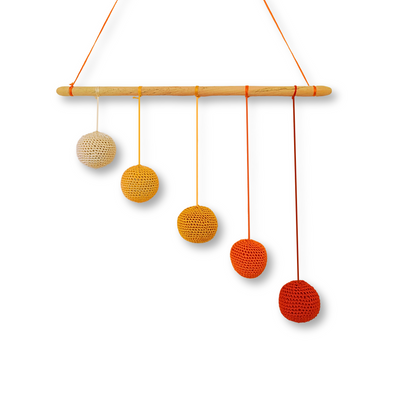
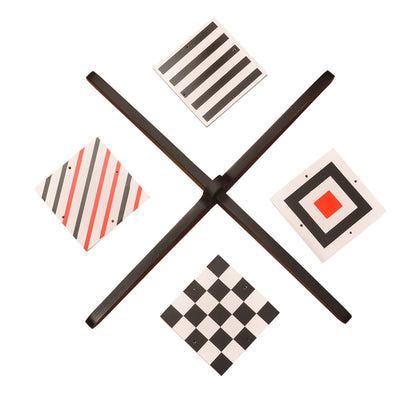
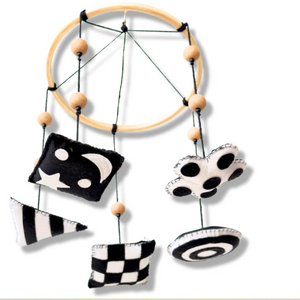
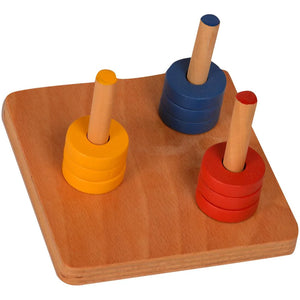
This means offering age-appropriate materials that invite exploration, like a Montessori activity gym for infants to develop gross motor skills, or sensory exploration toys that stimulate their senses naturally. It's about empowering the child to learn through self-discovery, fostering independence and confidence from the earliest stages. This contrasts sharply with the pressure to perform that many Indian parents feel, especially with a future of competitive schooling looming.
The Montessori approach to milestones shifts the focus from external pressure to internal readiness. Instead of asking 'Is my baby crawling yet?', a Montessori parent observes 'What is my baby trying to do today? How can I support their current efforts?' This cultivates a deep respect for the child's autonomy and unique developmental timeline.
Why Unexpected Baby Development is a Sign of Strength
Far from being a cause for concern, what might seem like unexpected baby development can often be a sign of a child's unique strengths and preferred learning styles. Perhaps your infant spends more time observing than actively moving, indicating a strong visual-spatial intelligence developing. Or they might babble incessantly before taking their first steps, showcasing advanced language acquisition.
In India, where parents are sometimes pressured towards early academic achievements, understanding this variability can be liberating. It reminds us that every child is an individual, not a mould to be filled. Embracing this perspective allows parents to celebrate their child's distinct journey, fostering a deeper, more trusting bond. It's about providing the right support at the right time, rather than pushing for a predetermined outcome.
- Baby unique growth patterns confirm that individual developmental timelines are natural and timeless.
- The 50,000-year-old Neanderthal baby discovery underscores profound infant developmental variability across species.
- Milestone anxiety in Indian homes can be alleviated by focusing on observation and individual progress over rigid comparisons.
- The Montessori approach advocates for observing baby's development and supporting their self-paced learning journey.
- Unexpected baby development is often a sign of unique strengths and diverse learning styles, not a cause for alarm.
- Child development experts confirm a broad range for milestone achievement, emphasizing natural diversity.
What is meant by a baby's unique growth pattern?
A baby's unique growth pattern refers to the individual, non-linear progression of a child's physical, cognitive, social, and emotional development, distinct from standardized milestone charts. It highlights that each child unfolds at their own intrinsic pace.
How do ancient discoveries, like the Neanderthal baby, relate to modern infant development?
Ancient discoveries demonstrate that developmental variability is a fundamental aspect of human growth across millennia and species. The Neanderthal baby's unexpected ear development pattern shows that even in ancient hominins, rigid developmental timelines were not absolute, offering reassurance that modern babies also follow diverse paths.
How can I reduce anxiety about my baby's milestones?
Reducing milestone anxiety involves focusing on your child's individual progress and creating a nurturing environment for exploration, rather than strict comparison to charts or other children. Trusting your intuition and seeking guidance from experts like Montessori educators can also be beneficial.
What is the Montessori approach to observing a baby's development?
The Montessori approach emphasizes careful, respectful observation of the child to understand their individual needs, interests, and natural developmental timeline. It involves providing a prepared environment that supports self-directed learning and allows the child to master skills at their own pace, free from pressure.
When should I be concerned about my baby's developmental progress?
While developmental variability is normal, it is important to consult a paediatrician if you notice a consistent lack of progress across multiple developmental areas, a regression in skills, or if your baby shows no interest in engaging with their environment. Your doctor can provide personalized guidance and support.