Infant Health & Development India 0-12 Months: Thriving Beyond Survival
As India proudly sustains its progress in reducing child deaths, a landmark achievement noted by UNICEF, parents can now shift their focus from merely ensuring survival to actively nurturing their baby's optimal development. This positive news highlights a pivotal moment for Indian families, empowering them to think beyond basic care and truly foster thriving infant health and development India 0-12 months.
Moving past anxieties about early childhood vulnerabilities, the focus is now firmly on creating environments where every child, from Bengaluru to Bhubaneswar, can flourish. This article explores how Montessori insights can guide new parents through their baby's crucial first year, turning every milestone into an opportunity for profound growth.
What is Nurturing Thriving Infant Development?
Nurturing thriving infant development means intentionally creating an environment and interactions that support a baby's inherent drive to learn, grow, and explore, fostering their full potential across all developmental domains. This matters because the first year is a period of rapid brain development, laying the foundation for all future learning and well-being. Indian parents can achieve this by observing their baby's cues, offering appropriate stimulation, and fostering independence from birth.
From Surviving to Thriving: India's Progress and Your Baby's First Year
The recent UNICEF report, celebrating India's sustained progress in reducing child mortality, brings a wave of relief and hope to millions of new parents. This achievement means that concerns about basic survival, while always present, are now complemented by a deeper focus on the quality of early life experiences. We are moving towards a future where every child's potential can be fully realized.
This shift allows parents to consider how best to support their baby's growth holistically. Child development experts agree that the first 1000 days, from conception to age two, are critical for brain architecture. By focusing on enriching experiences, we're investing in a brighter future for our children and our nation.
Montessori Baby Thriving India: A Foundation for Early Independence
Maria Montessori, a visionary educator, observed that even infants possess an innate drive for self-directed learning. Her philosophy for the 0-12 month age band focuses on the 'prepared environment' – a safe, stimulating, and accessible space that encourages independence. For parents in India, this might mean adapting a corner of a living room in a joint family home or a compact urban flat into a discovery zone for your little one.
Instead of overwhelming babies with excessive toys, Montessori suggests offering a few carefully chosen materials that correspond to their developmental stage. For instance, a simple wooden rattle encourages grasping and auditory awareness, while a fabric ball invites tactile exploration. Such items, often found in our traditional homes, naturally align with Montessori principles and foster a strong sense of self and capability from a young age.
Decoding Baby Milestones India: What to Expect and How to Support
Understanding baby milestones India in the first year can empower parents, but remember that every child develops at their own unique pace. Here's a general guide:
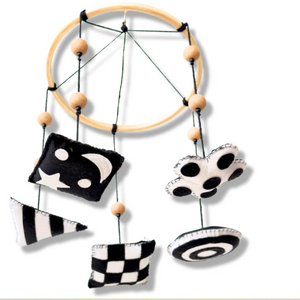
- 0-3 Months: The World of Senses. Babies focus on faces, begin to lift their heads during tummy time, and make cooing sounds. Provide high-contrast visual mobiles and soft-textured toys to stimulate their developing senses. Gently engaging in 'palms-and-soles' massage, a common Indian practice, offers invaluable proprioceptive input, strengthening body awareness.
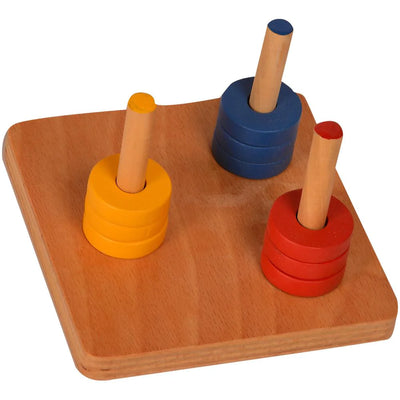
- 3-6 Months: Reaching and Grasping. Your baby will start reaching for objects, rolling over, and bringing toys to their mouth. Offer Montessori grasping toys like wooden rings or interconnected discs. Encourage floor time for rolling and exploring, even if it means moving furniture aside in a busy Indian household.
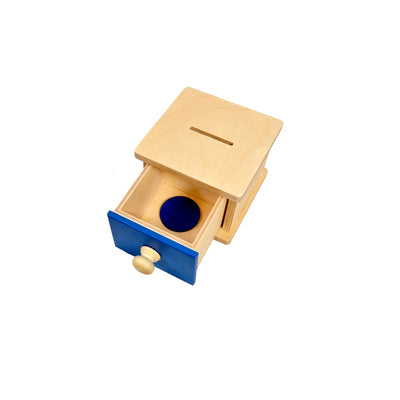
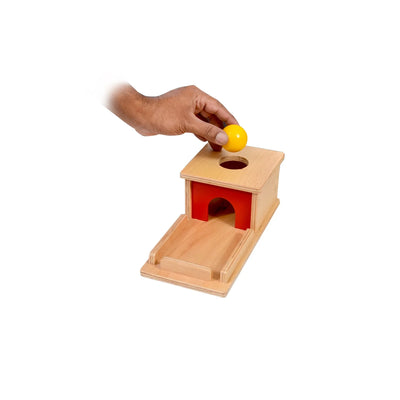
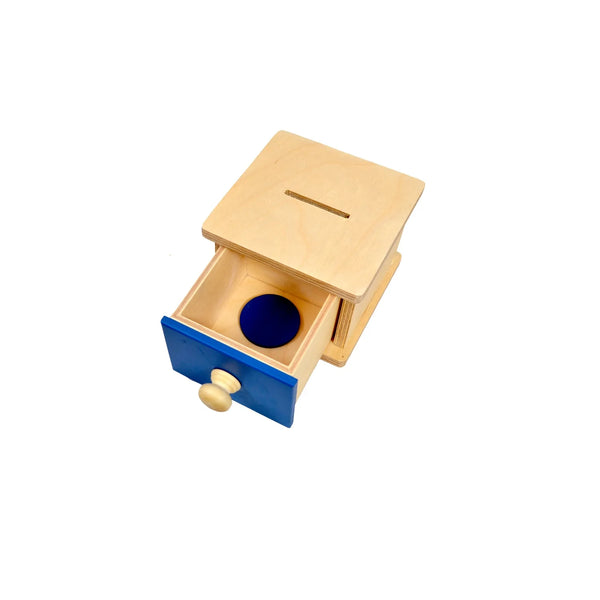
- 6-9 Months: Sitting and Exploring. Most babies can sit unassisted, begin to crawl, and show interest in solid foods. Provide sturdy objects to pull themselves up on, and offer simple, manipulative toys like object permanence boxes or stacking cups. Engaging in traditional floor games with grandparents helps build social and motor skills.
- 9-12 Months: Cruising and Communicating. Babies may start pulling to stand, cruising along furniture, and saying their first words. Offer push-and-pull toys to support walking. Engage them in conversations, naming objects around the house, and reading from fabric or board books.
The American Academy of Pediatrics emphasizes the importance of 'serve and return' interactions, where you respond to your baby's cues. This responsive parenting is crucial for cognitive and emotional development, fostering a secure attachment that forms the bedrock of their well-being.
Creating an Enriching Environment for Child Well-being India (0-12 Months)
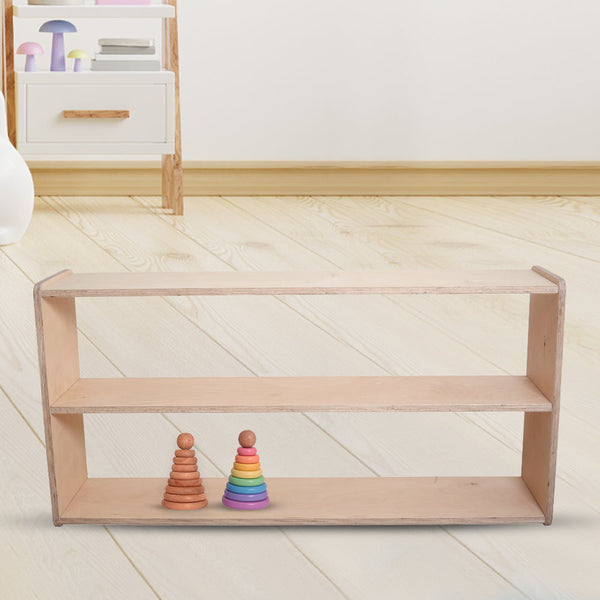
For optimal child well-being India, the environment plays a pivotal role. It's not about having a dedicated 'nursery' but about making your existing home child-friendly and stimulating. Think about accessibility: a low shelf for toys, a soft mat for floor time, and a mirror at baby's height. Safety is paramount, especially as babies become mobile; ensure plugs are covered and hazards are out of reach.
Beyond physical objects, the 'human environment' is equally important. In many Indian families, babies are surrounded by a rich tapestry of voices, languages, and interactions. Grandparents, aunts, and uncles contribute to a stimulating linguistic and social landscape. Encourage these interactions, allowing your baby to absorb the sounds and rhythms of their family and culture. Research from Harvard's Center on the Developing Child highlights that stable, responsive relationships are the single most important factor in healthy brain development.
Beyond the Cradle: Montessori's Impact on Early Childhood Development India
The principles applied in the first year lay a strong foundation for future early childhood development India. By respecting a baby's autonomy and providing purposeful engagement, we nurture problem-solving skills, concentration, and a lifelong love for learning. When a baby is allowed to explore a Montessori rattle set and discover its sounds and textures independently, they are not just playing; they are building neural pathways.
The beauty of the Montessori approach is its simplicity and adaptability. It doesn't demand expensive makeovers but encourages thoughtful observation and a belief in the child's intrinsic capabilities. By embracing these insights, parents can move beyond basic care to truly empower their baby's thriving journey, celebrating every small victory and laying the groundwork for a confident, curious, and capable individual, right here in India.