Educational Toys: Choosing Quality for Your Indian Baby (0-12 Months)
For Indian parents, the first year of a baby's life is a whirlwind of milestones and decisions, not least of which is choosing the right educational toys. With so many options available, distinguishing truly beneficial items from mere distractions can feel daunting. This guide will walk you through discerning and selecting high-quality, genuinely educational toys for your baby (0-12 months) through a Montessori lens, ensuring your choices support their incredible developmental journey.
Choosing quality educational toys for babies (0-12 months) means selecting items that invite active engagement, encourage concentration, and foster independent discovery. This approach matters immensely because the first year is a period of rapid brain development, where every interaction shapes future learning. Indian parents can confidently choose toys that align with their baby's natural curiosity and growth by understanding core Montessori principles.
Understanding Montessori Principles for Infant Play
Maria Montessori's philosophy emphasizes that children are inherently driven to learn and thrive in an environment prepared to meet their developmental needs. For infants, this means providing simple, purposeful toys that allow them to explore and master skills at their own pace. Child development experts agree that such an environment fosters independence, concentration, and a genuine love for learning from the very start.
Consider the traditional Indian practice of letting babies explore simple household items like a wooden spoon or a soft cloth. This aligns beautifully with Montessori's focus on real-world materials. The child is not passively entertained; they are actively engaging with their environment, learning about textures, weights, and sounds through direct experience.
Choosing Educational Toys for Babies: Key Criteria for Indian Parents
When you're standing in a store or browsing online for toys for your little one, keep these crucial criteria in mind. These guidelines will help you filter out distractions and focus on what truly benefits your baby's development, especially in the context of Indian homes, which might have smaller spaces or joint families where toys need to be easily managed.
1. Simplicity and Purpose: Less is Truly More
A genuinely educational toy for a baby serves a clear developmental purpose. Unlike complex electronic toys that often do too much for the child, a Montessori-aligned toy is simple, inviting the baby to actively engage and discover. For example, a wooden rattle isn't just a noise-maker; it's a tool for grasping, transferring between hands, understanding cause-and-effect, and developing fine motor skills.
Research indicates that toys with fewer features encourage more imaginative and problem-solving play. This contrasts with the common parental belief, often fueled by mass media exposure, that more features equal more educational value. UNICEF's ongoing work to reduce child mortality, while seemingly unrelated, underscores the importance of foundational developmental support in all areas of a child's life, including their play environment.
2. Natural Materials: Connecting with the Real World
Montessori education strongly advocates for toys made from natural materials like wood, cotton, and metal. These materials offer varied sensory experiences – the smooth coolness of wood, the softness of cotton, the metallic clink of a bell rattle. They also connect the child to the real world, unlike plastic which offers a more uniform and artificial feel.
For parents in Bengaluru, seeking out Montessori materials crafted from sustainable wood ensures durability and a tactile experience that plastic often can't replicate. Such choices are not just good for your baby's development but also align with growing environmental consciousness in India.
3. Safety First: A Non-Negotiable for Your Little One
Baby toy safety in India is paramount. Always check for non-toxic, child-safe paints and finishes, especially for toys designed for mouthing. Ensure there are no small, detachable parts that could pose a choking hazard for babies aged 0-12 months. The CDC in India, while focused on broader health, reminds us that creating a safe environment is fundamental to child well-being.
Look for sturdy construction that can withstand being dropped, chewed, and handled repeatedly. In a joint family setting, where multiple hands might interact with toys, durability and ease of cleaning become even more important. A robust wooden teether, for instance, offers relief and exploration without constant worry.
4. Age-Appropriate and Developmentally Aligned
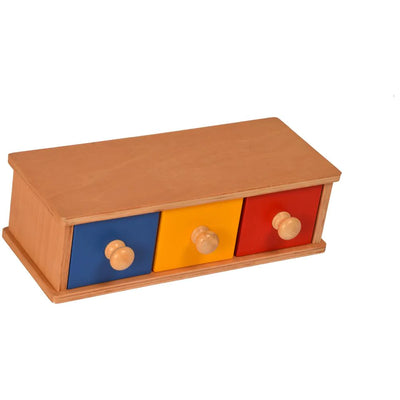
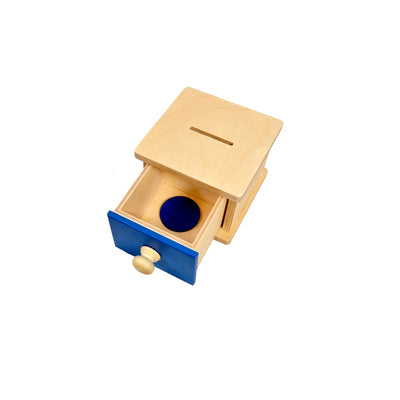
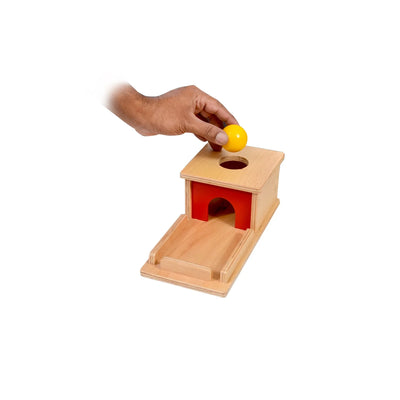
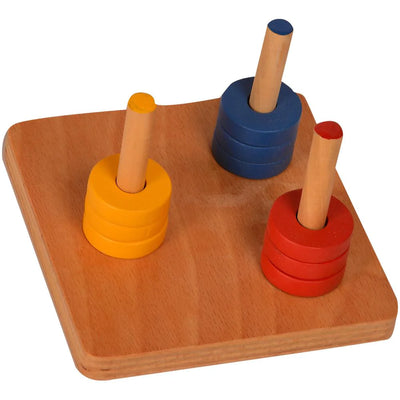
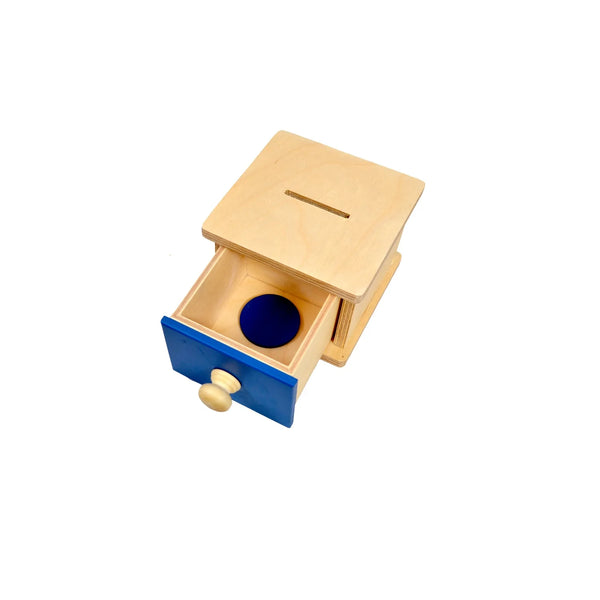
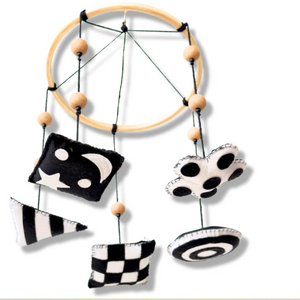
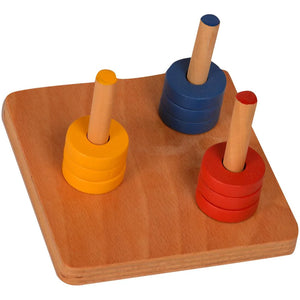
A quality educational toy meets your baby exactly where they are developmentally, offering a slight challenge without frustration. For newborns (0-3 months), visual mobiles that encourage eye-tracking are ideal. As they reach for objects (3-6 months), lightweight rattles or grasping toys become essential. For crawling and sitting babies (6-12 months), stacking rings, simple puzzles, and object permanence boxes support emerging motor skills and cognitive understanding.
Observe your baby's interactions. Does a toy capture their attention? Are they able to manipulate it? This direct observation is the best guide for matching toys to milestones, much like a grandmother (dadi) instinctively knows what simple game or object will delight her grandchild at a specific age.
5. Encouraging Active Engagement, Not Passive Entertainment
The core insight distinguishing truly educational toys is that their value lies in what they prompt the *child* to do, not in what the *toy* does. Many Indian parents feel a societal pressure to provide the 'best,' often equating 'best' with 'most features' or 'electronic gadgets.' However, a simple set of nesting cups or a Montessori ball tracker encourages active problem-solving, fine motor skill development, and sustained concentration far more than a blinking, singing plastic toy that demands only passive observation.
This active engagement fosters a deeper understanding of cause and effect, spatial awareness, and independent thinking. It's a powerful foundation for a child's lifelong learning journey, helping them become active participants rather than just recipients of information.
Practical Tips for Indian Parents Choosing Educational Toys
- Observe Your Baby: Before buying, watch how your baby interacts with existing toys. Are they reaching, mouthing, grasping, or simply looking? This tells you what developmental stage they are in.
- Prioritise Quality Over Quantity: It's better to have a few high-quality, versatile educational toys than a room full of stimulating but ultimately passive ones. This also helps manage clutter, a common challenge in many urban Indian homes.
- Consider Hand-Me-Downs: Many traditional Indian families pass down toys. If they are safe, clean, and developmentally appropriate, these can be wonderful for connecting generations through play.
- Research Local Brands: India now has a vibrant market for high-quality, locally sourced wooden and eco-friendly toys that align with Montessori principles. Supporting these businesses can offer excellent choices.
- Involve Grandparents: Often, grandparents want to contribute. Guide them towards choices that align with quality and developmental benefit, perhaps suggesting a classic Montessori rattle or a set of soft fabric blocks.
Choosing quality educational toys for your baby's first year is an investment in their future. By focusing on simplicity, safety, natural materials, and active engagement, you're not just buying a toy; you're providing tools that empower your child to explore, learn, and grow confidently in their world.
- Quality educational toys for babies (0-12 months) are simple, safe, and encourage active exploration.
- Montessori principles emphasize natural materials, real-world connection, and child-led discovery in toy selection.
- Prioritize toys that engage a single sense or skill, allowing babies to focus and master concepts.
- Baby toy safety in India requires checking for non-toxic finishes, sturdy construction, and appropriate size.
- Simpler, open-ended toys foster stronger problem-solving and imagination than passive entertainment.
- Observe your baby's interactions to understand readiness for new toys and prevent overstimulation.
What makes a toy 'educational' for a 0-12 month old baby?
A toy is truly educational for a baby when it fosters active engagement, allows for repetition, and supports the development of specific skills like grasping, tracking, or cause-and-effect. It should be open-ended enough for the child to discover its uses, rather than simply being entertained passively.
How do Montessori principles apply to choosing toys for infants?
Montessori principles for infants advocate for toys made from natural materials, designed for a single purpose, and that allow the child to lead their own discovery. This means opting for simple items like rattles, mobiles, and sensory balls that stimulate one sense at a time and promote concentration and independent exploration.
What safety considerations are critical for baby toys in Indian homes?
In Indian homes, it's critical to choose toys that are made with non-toxic, lead-free paints and finishes, have no small detachable parts that could be choking hazards, and are durable enough to withstand chewing and dropping. Ensure toys are easy to clean, especially in varied climates, and check for certifications if available.
Are electronic toys considered educational for babies?
While some electronic toys offer stimulation, true educational value for infants often comes from simpler, non-electronic items that require the baby to be the 'doer.' Research shows that excessive flashing lights and loud sounds can be overstimulating and may hinder a baby's ability to focus and engage deeply with the material.
How can I choose toys that grow with my baby through their first year?
Focus on open-ended toys that can be used in various ways as your baby develops, such as stacking rings, nesting cups, or soft blocks. These items encourage different skills at different stages – initially grasping, then transferring, then stacking – offering sustained developmental value without needing constant replacement.