Educational Toys for Baby's First Year: A Montessori Guide
Parents in India often feel a mix of excitement and anxiety during their baby's first year, especially when it comes to nurturing early development. Choosing the right educational toys for babies aged 0-12 months is crucial for fostering their natural growth, stimulating senses, and supporting critical milestones. Child development experts agree that purposeful play during this period lays the foundation for future learning, making thoughtful toy selection a powerful tool for new Indian parents.
What Are Educational Toys in a Montessori Context?
Educational toys, within a Montessori framework, are purposeful objects designed to engage a child's innate drive for exploration and learning, directly supporting their developmental stages. This matters because they facilitate hands-on discovery and build concentration. Indian parents can empower their child's independent learning by selecting simple, well-crafted materials.
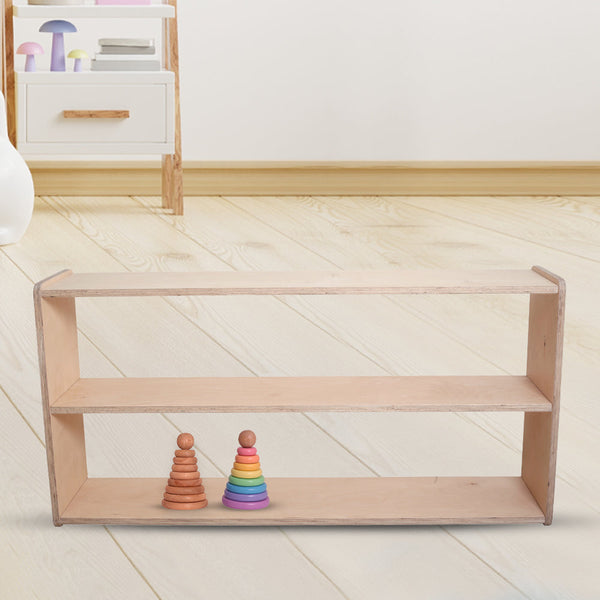
The Montessori philosophy, founded by Dr. Maria Montessori, views the child as an active learner from birth. It advocates for a "prepared environment" where children can freely explore and discover at their own pace. For infants, this means providing simple, natural, and age-appropriate materials that appeal to their senses and encourage movement and problem-solving, without excessive intervention. Research indicates that a baby's brain undergoes its most rapid development during the first year, forming over a million new neural connections every second. This underscores the importance of a rich, stimulating environment through purposeful play, as emphasized by organizations like UNICEF and the World Health Organization (WHO) in their guidance on early childhood development.
Montessori Educational Toys for 0-3 Months: Sensory Awakening
In these first few months, a baby's world is primarily about sensory input. Their vision is developing, focusing on high contrast and movement, while their hearing sharpens to voices and gentle sounds. Montessori educational toys for this stage are designed to captivate these emerging senses and encourage observation.
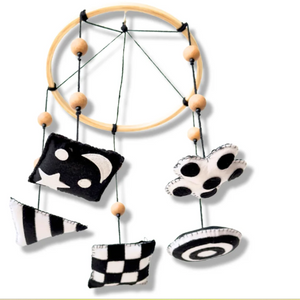
Think beyond just bright colours. Black and white cards placed near their sleeping or changing area provide essential visual stimulation. Gentle, lightweight wooden rattles, easy for tiny hands to grasp, introduce cause and effect as they learn their movements create sound. These simple interactions are profound. The familiar Indian tradition of placing babies on a soft mat on the floor, allowing them to freely observe their surroundings and family, naturally mirrors the Montessori principle of a prepared environment, emphasizing freedom of movement over restrictive baby gear.
Infant Educational Toys for 3-6 Months: Grasping & Discovery
As babies gain head control and begin reaching out, their exploration becomes more intentional. This period is crucial for developing hand-eye coordination and fine motor skills. Infant educational toys India parents choose should support this newfound ability to interact with their world.
Grasping rings, soft fabric balls, and activity gyms with dangling elements are perfect for this stage. These encourage reaching, batting, and eventually holding, allowing them to experience different textures and weights. Tummy time becomes an active play session when a soft, rolling ball encourages them to push up and look. The satisfaction of a small, perfectly sized wooden toy fitting into their hand is a foundational lesson in control and precision, building concentration vital for later learning.
Best Educational Toys 6-9 Months: Movement & Exploration
Once your baby can sit unassisted, their perspective on the world changes dramatically. Many begin to scoot, crawl, or even pull themselves to stand. This is when gross motor skills and object permanence become central. Choosing the best educational toys 0-12 months for this period means supporting these significant physical and cognitive leaps.
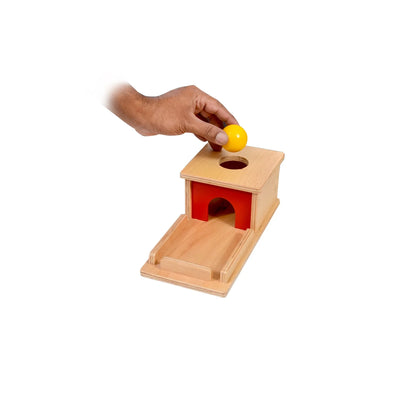
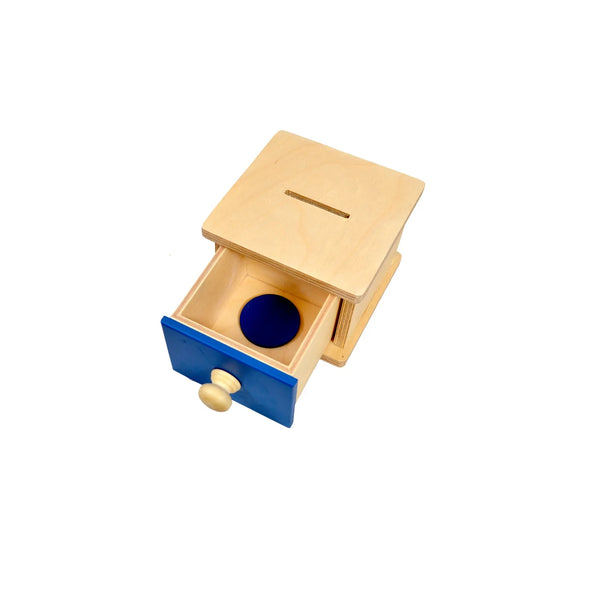
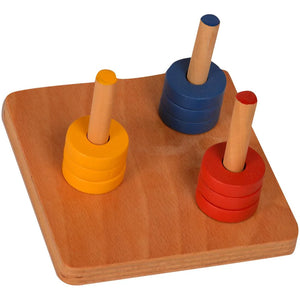
Stacking rings, nesting cups, and object permanence boxes (where an object disappears and reappears) are excellent. These toys teach problem-solving, spatial reasoning, and the understanding that things exist even when out of sight – a key cognitive milestone. Soft blocks and rolling cylinders encourage movement and chasing. In many Indian homes, observing babies on the floor, interacting with everyday objects under the watchful eye of family members, fosters this natural exploration, transforming simple household items into valuable learning tools.
Baby Development Toys for 9-12 Months: Independence & Problem-Solving
The last quarter of the first year is a whirlwind of independent movement, from crawling with purpose to cruising and even taking first steps. Language also begins to blossom, with babbling turning into meaningful sounds. Baby development toys at this stage should foster independence, refined motor skills, and early problem-solving.
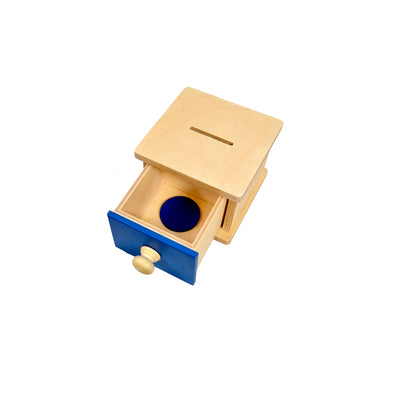
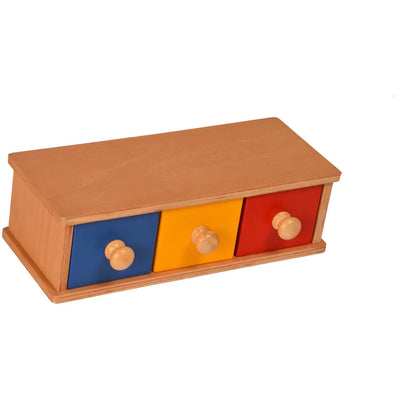
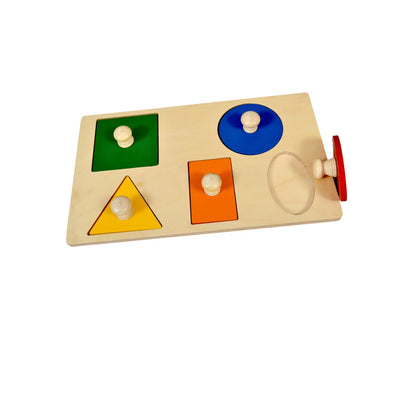
Push toys, simple shape sorters, and containers with lids to open and close are ideal. These challenge their fine motor skills and cognitive abilities, encouraging persistence. Practical life tools, like a small child-safe broom or a cloth to wipe spills, can be introduced, allowing them to imitate adults and feel capable. Unlike passive screen time, which can detract from crucial parent-child interactions, these hands-on activities demand active engagement, nurturing creativity and critical thinking. The delighted shriek when a wooden block fits perfectly, or the determined grunt as they push a small cart across the room, are clear signs of engaged learning.
Choosing Educational Toys for Indian Homes: Practical Tips
When selecting Montessori-aligned educational toys, especially for Indian households, consider practicality and cultural fit. Simple, natural materials like wood and cotton are durable, safe, and appeal to the senses. Opt for toys that are open-ended, allowing your child's imagination to lead, rather than toys with a single, predetermined outcome. This is especially beneficial in urban Indian homes where space might be a constraint; a few versatile toys can offer more learning opportunities than a multitude of single-function plastic gadgets.
Grandparents, who often play a significant role in childcare, might gravitate towards colourful, noisy electronic toys. Gently explain the benefits of simpler, natural Montessori materials that encourage the child to "do" rather than "be entertained." This cultivates "inner discipline" and focus, values highly prized in Indian culture and beneficial for future academic success.
Beyond the Toy: The Role of the Parent
While the right educational toys are valuable, your presence and observation are the most potent tools for your baby's development. Sit with your child during play, not to direct, but to observe their interests, frustrations, and triumphs. Offer a toy, then step back and allow them to explore. Your encouragement, your words, and your loving presence are what truly bring the Montessori environment to life.
Remember, your baby's first year is a journey of wonder and rapid growth. By thoughtfully selecting age-appropriate, Montessori-inspired educational toys, you provide them with the best possible start, nurturing their innate curiosity and setting them on a path of joyful, independent learning.