Hindi Alphabets for Babies: Early Language Development
Early language development in babies aged 0-12 months is crucial because it forms the foundational neural pathways for speech, comprehension, and cognitive growth, significantly impacting future learning abilities. Introducing diverse linguistic sounds, including hindi alphabets, stimulates the auditory cortex and prepares infants for verbal communication. This early exposure is key for establishing strong language foundations.
Early language development is the process where infants acquire the ability to understand and use language through listening, babbling, and gestures, laying the groundwork for reading and writing. This matters because robust early exposure, like to malayalam alphabets, boosts brain development and enhances a child's overall communication skills. Indian parents can facilitate this by consistently interacting with their babies using rich language and sounds.
The Absorbent Mind: Why Early Language Exposure Matters
Maria Montessori's concept of the 'Absorbent Mind' highlights a baby's innate capacity to effortlessly soak up information from their environment, especially in the first year of life. This natural absorption is particularly powerful for language. Research shows that infants exposed to a rich linguistic environment develop stronger neural connections related to language processing, impacting their ability to speak, read, and write later on.
In Indian homes, where joint families often expose babies to multiple languages and dialects from birth, this natural process is further amplified. Hearing Hindi from one grandparent and malayalam from another, alongside English or other regional languages, lays a unique foundation for cognitive flexibility. Child development experts agree that such early, multi-lingual exposure supports superior problem-solving skills and enhanced cognitive adaptability in children, an invaluable asset in today's global landscape.
Introducing Indian Sounds: Beyond Just Words
For babies aged 0-12 months, language introduction isn't about memorizing characters but about familiarizing them with sounds, rhythm, and intonation. The distinct phonetics of hindi alphabets and the unique sounds of malayalam alphabets are invaluable auditory inputs. Focus on speaking clearly, singing lullabies, and reciting rhymes in your native tongue. This repetitive auditory input helps babies differentiate between sounds, a critical pre-linguistic skill.
Studies indicate that infants respond keenly to the melodic quality of speech, making traditional Indian songs and storytelling incredibly effective tools. This also aligns with initiatives like Poshan Maah, which emphasizes holistic child development where a nurturing environment, including linguistic richness, is paramount for building a healthier future for every child.
Creating a Rich Linguistic Environment at Home
Creating a prepared environment for baby language development involves more than just talking; it means intentional interaction. Narrate your daily activities – “Mummy is cooking dal now,” or “Let's go meet Dadi.” Point to objects and name them clearly: “This is a colourful gudiya (doll),” or “See the bright red apple.” Grandparents and other family members play a vital role here, naturally conversing with the baby in different languages.
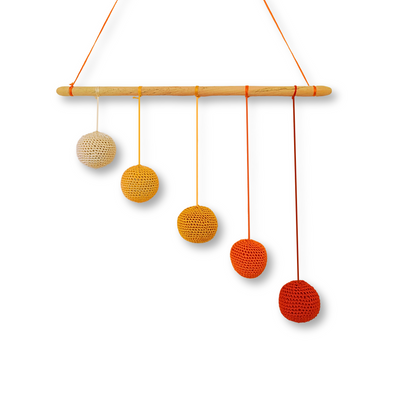
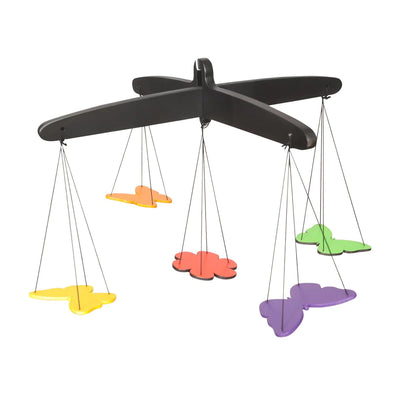
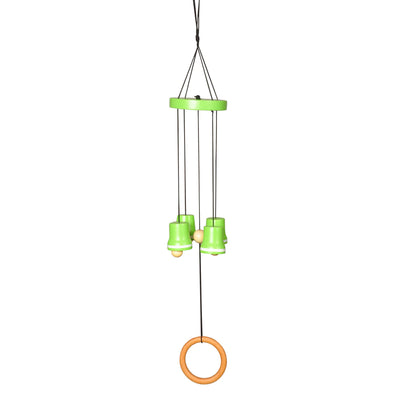
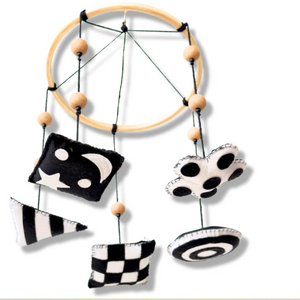
For sensory exploration, consider introducing Montessori-inspired sensory toys from our Montessori collection. While not directly alphabets, items like rattles or sound cylinders encourage auditory discrimination and focus, which are foundational for distinguishing language sounds.
Montessori Principles for Infant Language Exposure (0-12 Months)
Maria Montessori observed that children have a deep desire to learn language through their senses. For infants, this means a sensory approach to language. Instead of flashcards, think about the rich sensory experience of language: the sound of a voice, the visual cues of mouth movements, and the tactile experience of holding objects while their names are spoken.
A key principle is 'follow the child.' Observe what sounds or interactions your baby responds to most. If they seem captivated by the sound of a specific word or phrase, repeat it often. This personalized approach makes language learning engaging and meaningful for them. Encouraging babies to vocalize and respond to their babbles is also crucial for fostering early communication.
Engaging with Indian Alphabets: Playful & Sensory Approaches
To foster infant language exposure, integrate the sounds of Indian alphabets into everyday play. Sing popular Hindi nursery rhymes or folk songs that naturally incorporate different letter sounds. For Malayalam-speaking families, engaging with malayalam spelling through simple rhymes or by naming familiar objects in Malayalam can be very effective. Use picture books with clear, vibrant images and name the objects in Hindi, Malayalam, or both.
While babies won't be reading hindi alphabets or malayalam alphabets, this early exposure to the distinct sounds and shapes of words helps their brains categorize and process linguistic information. Providing various tactile experiences, like exploring different fabric textures while you name them, can indirectly support language development by enriching their sensory vocabulary. Our sensory development toys can be excellent companions for these activities.
Common Concerns for Indian Parents (and Reassuring Answers)
New parents often feel anxious about meeting developmental milestones, especially regarding language. It's natural to compare your baby's progress with others. However, every child develops at their own unique pace. Remember the recent finding of a 50,000-year-old Neanderthal baby with an unexpected growth pattern – it reminds us that development isn't always linear or predictable, even across species and millennia!
Focus on creating a loving, responsive environment where your baby feels safe to explore and experiment with sounds. Celebrate every gurgle, babble, and first word as a significant achievement. Prioritizing consistent, positive language interaction is far more beneficial than pushing for early literacy. Panacea Biotec's launch of toxin-free baby care lines in India highlights a growing focus on overall infant well-being, which extends to providing a healthy and stimulating environment for language growth.
- Early language exposure (0-12 months) critically shapes a baby's brain for speech and comprehension.
- Introducing diverse sounds, including hindi alphabets and malayalam alphabets, stimulates auditory development.
- Montessori's 'Absorbent Mind' principle confirms babies effortlessly learn from their language-rich environment.
- Multi-lingual exposure in Indian homes enhances cognitive flexibility and problem-solving skills.
- Engage babies through songs, rhymes, and clear conversations, focusing on sounds rather than formal alphabet recognition.
- Every child's language development path is unique; consistent, loving interaction is key.
Is it too early to introduce alphabets to a 0-12 month old baby?
No, it is not too early to introduce the *sounds* and *rhythms* of alphabets to babies. While they won't learn to read, this early exposure stimulates their auditory development and familiarizes them with the phonetics of languages like Hindi and Malayalam, preparing their brains for future language acquisition.
How can I introduce Hindi alphabets without pressure?
Introduce Hindi alphabets playfully through songs, rhymes, and simple conversations. Focus on the sounds, intonation, and repetition, rather than formal lessons. This low-pressure, engaging approach makes language learning a natural and joyful experience for your baby.
Are there benefits to exposing my baby to multiple Indian languages?
Absolutely, exposing your baby to multiple Indian languages, such as Hindi and Malayalam, offers significant cognitive benefits. Research shows bilingual exposure enhances problem-solving skills, improves attention, and supports overall brain flexibility from an early age.
What Montessori principles apply to infant language development?
Montessori principles for infants emphasize a prepared environment rich in language, observation of the child's interests, and sensory exploration. For language, this means consistent verbal interaction, naming objects clearly, and allowing the baby to absorb language naturally from their surroundings.
What specific activities can I do to foster language in my baby?
Engage in activities like singing traditional lullabies, narrating daily routines, reading aloud from board books with clear pictures, and using descriptive language for everything you see and do. Simple rhyming games and pointing to objects while naming them are also highly effective.