India's Child Health Progress & Your Baby's Holistic Development
India's significant strides in child health, highlighted by recent Unicef reports, directly contribute to fostering robust baby holistic development India by establishing a foundation of better survival rates and access to care, empowering parents to focus on nurturing cognitive, emotional, and physical growth. This progress provides a reassuring framework, demonstrating that supportive environments lead to thriving children from the earliest stages of life.
What is Holistic Baby Development?
Holistic baby development refers to nurturing every aspect of a child's growth – physical, cognitive, emotional, social, and spiritual – as interconnected elements. This matters because balanced development in early years builds a strong foundation for future learning and well-being. Indian parents can achieve this by creating stimulating environments and fostering secure attachments within the family unit.
Celebrating India's Child Health Progress and What It Means for Your Family
India has achieved remarkable success in reducing child mortality, as recently reported by Unicef, sustaining progress even as global gains slow. This positive trend signifies that more infants are surviving their crucial first year, thanks to improved healthcare access, immunization programs, and public health initiatives across the nation. For new parents in India, this news is a powerful reassurance, affirming that the environment for raising healthy children is continuously improving.
This progress isn't just a statistic; it translates into tangible benefits for every Indian family. It means greater peace of mind, knowing that foundational health services are more robust, allowing parents to shift their focus from mere survival to actively promoting their baby's comprehensive growth. Studies indicate that a healthy start significantly impacts a child's lifelong potential, making this national achievement a collective step towards brighter futures.
Furthermore, innovations like the use of AI in reshaping child healthcare in rural India, as highlighted by Mint, demonstrate a commitment to reaching every corner of the country. These technological advancements ensure that even families in remote areas can access crucial health monitoring, like tracking a baby's weight, reinforcing the nationwide push for better infant well-being.
Nurturing Infant Care Best Practices India for Optimal Growth
Building on India's health achievements, adopting evidence-based infant care best practices India is paramount for ensuring your baby thrives holistically. Child development experts agree that the first year is a period of incredible brain growth and skill acquisition, making responsive caregiving crucial. This includes consistent nutrition, adequate sleep, and a safe, stimulating environment.
In many Indian homes, particularly within joint families, grandparents and extended family play a vital role in childcare, offering a rich tapestry of support and wisdom. This multi-generational care can provide a secure attachment environment, fostering emotional well-being and social skills from an early age. However, it's also important to blend traditional practices with modern pediatric advice on hygiene, feeding, and developmental milestones to ensure optimal health.
Ensuring your baby receives all recommended vaccinations and regular check-ups is a non-negotiable aspect of responsible infant care. These preventative measures, coupled with a focus on early detection of any developmental delays, are essential for laying a strong foundation for their physical and cognitive health. Research shows that early intervention dramatically improves outcomes for children facing developmental challenges.
The Importance of Nutrition and Responsive Feeding
Proper nutrition is the cornerstone of physical and cognitive development for infants. Breastfeeding, where possible, provides unparalleled benefits, delivering essential antibodies and nutrients tailored to your baby's needs. For formula-fed babies, choosing the right formula and following strict hygiene protocols are crucial. As babies transition to solids around six months, introducing a variety of locally available, nutrient-dense foods like ragi, lentils, and seasonal fruits helps broaden their palate and meet their growing demands. Responsive feeding, paying attention to your baby's hunger and fullness cues, builds trust and promotes healthy eating habits.
Early Childhood Development Unicef Guidelines and the Indian Home
Unicef's comprehensive guidelines for early childhood development Unicef emphasize that development is a continuous process beginning even before birth. They stress the critical importance of a nurturing environment, responsive caregiving, and opportunities for early learning and play during the 0-12 month period. These principles resonate deeply within the Indian context, where family bonds and community support are inherently strong.
Creating a stimulating home environment doesn't require expensive gadgets; it involves simple, everyday interactions. Talking, singing, reading to your baby in your native language, and engaging in interactive play are powerful tools for cognitive and language development. Providing safe spaces for your baby to explore and move freely is equally important for their physical growth and independence.
For parents seeking age-appropriate tools to encourage exploration, simple sensory materials like soft fabric books, rattles, and grasping toys are invaluable. SkilloToys offers a range of specifically designed Montessori Method learning materials that cater to these early developmental needs, encouraging babies to discover and learn at their own pace.
The Montessori Approach: Fostering Baby Holistic Development India from Birth
The Montessori approach holistic development philosophy, championed by Dr. Maria Montessori, aligns perfectly with nurturing every facet of your baby's growth from day one. It emphasizes respecting the child as an individual, providing a "prepared environment" that supports their natural desire to learn and explore, and observing their unique developmental path. For infants aged 0-12 months, this means prioritizing freedom of movement, sensorial exploration, and practical life activities adapted for their capabilities.
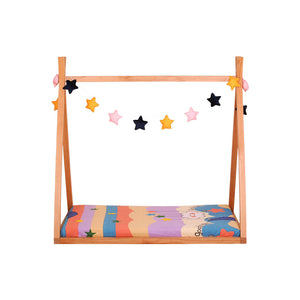
A key principle in Montessori for infants is allowing uninterrupted periods of play and exploration, often on a floor mat where they can freely move their limbs and interact with their surroundings. This freedom supports gross motor development and builds confidence. Offering simple, natural materials that engage multiple senses – such as wooden rattles, texture balls, or soft fabric squares – encourages concentration and discovery.
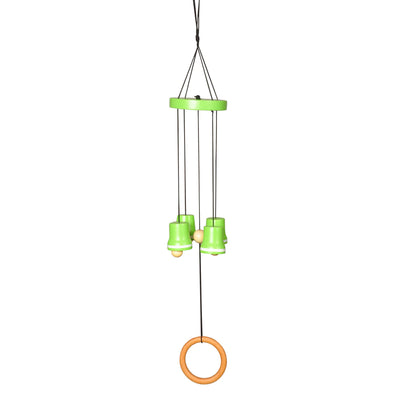
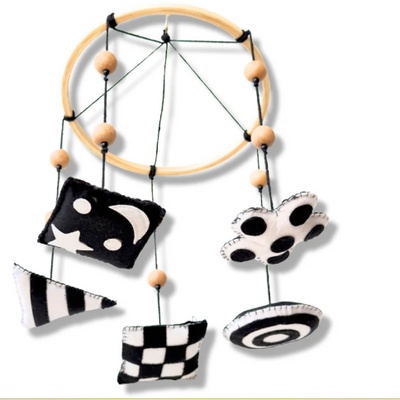
SkilloToys understands the Indian parent's desire to provide the best start. Our collection includes Montessori learning materials for infants like mobiles that aid visual tracking, grasping rings for fine motor skills, and discovery boxes, all designed to foster independence and a love for learning. These materials are not just toys; they are tools that aid the child's natural self-construction, building foundational skills for a lifetime of exploration.
- India's sustained progress in reducing child mortality, as reported by Unicef, creates a more secure environment for infant development.
- Holistic baby development encompasses physical, cognitive, emotional, social, and spiritual growth, all interconnected for lifelong well-being.
- Responsive caregiving, combining traditional Indian wisdom with modern pediatric advice, is crucial for optimal infant growth.
- Unicef guidelines emphasize a nurturing environment, stimulating interactions, and early learning opportunities from birth.
- The Montessori approach advocates for a "prepared environment" that allows infants freedom of movement and sensorial exploration to support natural development.
- Access to proper nutrition, immunization, and regular health check-ups forms the fundamental base for all other developmental milestones.
How does India's child health progress benefit my newborn directly?
India's progress in child health ensures better access to essential healthcare services, robust immunization programs, and improved public health infrastructure. This directly translates to a lower risk of infant mortality and a safer environment, allowing parents to focus more on their baby's holistic development without constant health anxieties.
What are key aspects of holistic development for infants (0-12 months)?
Holistic development for infants includes physical growth (motor skills, sensory development), cognitive abilities (problem-solving, curiosity), emotional regulation (attachment, trust), and social interactions (responsive communication). All these aspects are interconnected, building a comprehensive foundation for their future learning and well-being.
How can Indian joint families support a baby's early development?
Indian joint families offer a rich support system, providing multiple caregivers who can engage with the baby, foster secure attachments, and introduce cultural traditions. This multi-generational interaction enhances social and emotional development, while shared responsibilities ensure consistent care, provided modern health guidelines are also integrated.
What role do Montessori materials play in infant holistic development?
Montessori materials for infants are designed to support natural exploration and independence, encouraging self-directed learning from birth. They promote sensorial development, fine and gross motor skills, and concentration through purposeful, age-appropriate activities. These tools help babies build foundational skills critical for their cognitive and physical growth.
How important is nutrition for a baby's holistic development in India?
Nutrition is critically important for a baby's holistic development, as it fuels rapid brain growth and physical development in the first year. In India, access to nutrient-rich local foods and proper feeding practices, including breastfeeding and timely introduction of solids, directly impacts cognitive function, immune system strength, and overall well-being.