Malayalam for Babies: A Montessori Guide to Early Language
To introduce Malayalam for babies from 0-12 months using a Montessori approach, parents should immerse their child in a language-rich environment through consistent interaction, clear speech, and responsive communication. This foundational period allows babies to absorb the unique sounds, rhythms, and vocabulary of Malayalam, laying a strong base for future multilingual development.
Early language development through the Montessori method focuses on nurturing a child's innate capacity for language acquisition within a carefully prepared environment. This matters because the first year is a sensitive period for absorbing language, shaping cognitive and social skills. Indian parents can proactively create a rich linguistic tapestry by speaking Malayalam consistently and engagingly with their infants.
As India continues its vital progress in reducing child mortality and recognizes that early investment in children is key to the nation's future, initiatives like "Beti Bachao, Beti Padhao" highlight the importance of nurturing every child's potential. Fostering multilingualism, starting with our beautiful regional languages like Malayalam, is a profound way to enrich a child's cognitive journey right from infancy.
The Montessori Approach to Early Language Development (0-12 Months)
Maria Montessori observed that children possess an "absorbent mind," especially during the first six years of life, which allows them to effortlessly take in information from their environment. For babies aged 0-12 months, this period is particularly sensitive to language acquisition, making it an opportune time for early language development Malayalam. Children are naturally predisposed to learning any language they are exposed to.
Research shows that babies exposed to multiple languages from birth develop enhanced cognitive flexibility and problem-solving skills later in life. In a Montessori context, we create a "prepared environment" not just physically, but linguistically, ensuring the baby is constantly bathed in the target language. This isn't about formal lessons but about creating a natural, immersive experience for their burgeoning minds.
Creating a Malayalam-Rich Environment at Home
Establishing a truly Montessori Malayalam baby environment means making the language a living, breathing part of daily life. This involves speaking to your baby exclusively in Malayalam during interactions, describing everyday activities, and narrating stories about your home, family, and surroundings. Grandparents, aunts, and uncles in a joint family setting can play an invaluable role, sharing traditional Malayalam lullabies (താരാട്ടുപാട്ടുകൾ) and simple rhymes.
Fill your home with the melodic sounds of Malayalam conversations, songs, and gentle stories. Point to objects and name them clearly in Malayalam – "ഇതൊരു പൂച്ചയാണ് (ithoru poochayaanu - this is a cat)," "അതൊരു പന്താണ് (athoru panthaanu - that is a ball)." Providing simple, natural wooden rattles and soft, fabric books can encourage tactile exploration while you name the textures and colours in Malayalam.
Interactive Strategies for Introducing Malayalam Sounds and Words
For effective infant language learning Malayalam, direct and consistent interaction is paramount. When you speak to your baby, get down to their eye level, speak slowly and clearly, articulating each Malayalam word distinctly. Respond enthusiastically to their coos, gurgles, and babbling, mimicking their sounds and then offering back real Malayalam words. This responsive communication builds a strong neural pathway for language.
Engage in "serve and return" interactions where you say something, pause for their response, and then build upon it. For example, if your baby looks at a lamp, you might say, "വിളക്ക് (vilakku) – that's a lamp!" This active engagement helps them connect sounds to meaning long before they can utter their first Malayalam words. Studies indicate that early, responsive interaction is crucial for robust language acquisition.
Montessori-Inspired Materials for Malayalam Language Exposure
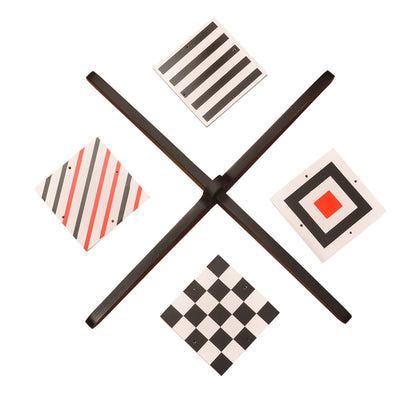
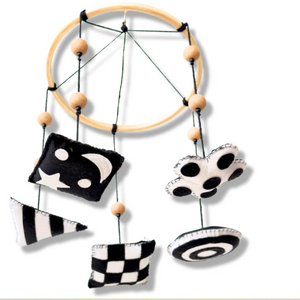
While formal Malayalam alphabet for kids instruction is for later years, you can introduce visual and tactile cues in the infant stage that prepare their minds. Use simple, high-contrast picture cards featuring everyday objects, animals, or family members, naming each item clearly in Malayalam. "ഇതൊരു കുഞ്ഞാണ് (ithoru kunjjaanu - this is a baby)," "അതൊരു ആപ്പിളാണ് (athoru apple aanu - that is an apple)."
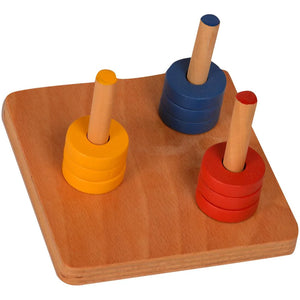
Even simple Montessori-aligned materials can aid this process. Wooden sorting toys can be used as you name colours or shapes in Malayalam while your baby manipulates them. Though not directly alphabetic, these activities build foundational concepts of classification and object identification, which are precursors to literacy. Later, materials like sandpaper letters will make learning the Malayalam script intuitive and engaging.
Reading Malayalam Books to Your Baby
Reading aloud in Malayalam is one of the most powerful tools for early language development. Choose board books with simple illustrations and a few words per page. Point to the pictures as you read the Malayalam words, allowing your baby to hear the rhythm and intonation of the language. Even if they don't understand the words, they are absorbing the sounds and associating reading with warmth and connection.
Celebrating Your Baby's Language Milestones in Malayalam
Every babble, every coo, and every effort your baby makes towards communication is a significant milestone worthy of celebration. As they grow, you'll notice them understanding simple commands or recognizing familiar Malayalam words. Continue to provide a rich linguistic environment, offering them age-appropriate educational toys Malayalam parents might find useful, that encourage exploration and interaction.
For instance, stacking rings or nesting dolls can be used to describe actions like "ഉയർത്തുക (uyarthuka - lift)" or "താഴ്ത്തുക (thaazhthuka - lower)" in Malayalam. Remember, patience and consistency are key. Your baby's journey into Malayalam is a beautiful, natural process, and your loving guidance is the most impactful Montessori material of all.
- The 0-12 month period is a sensitive window for babies to absorb Malayalam sounds and rhythms, leveraging their "absorbent mind."
- Creating a Malayalam-rich home environment through consistent parental and familial interaction is fundamental for early language acquisition.
- Responsive "serve and return" conversations, where parents engage directly with baby's vocalizations, are critical for building language pathways.
- Montessori principles advocate for clear, direct speech and naming real objects in Malayalam during daily interactions.
- While formal alphabet learning is later, Montessori-inspired materials like picture cards and simple wooden toys prepare the mind for future Malayalam literacy.
- Research indicates early exposure to multiple languages enhances cognitive flexibility and overall brain development in infants.
When is the best time to start introducing Malayalam to my baby?
The best time to start introducing Malayalam is from birth, as infants are naturally wired to absorb any language they are consistently exposed to. The first year is a sensitive period for auditory and linguistic development, making early immersion highly effective.
Will introducing two or more languages confuse my baby?
No, introducing multiple languages, like Malayalam and English, will not confuse your baby; rather, it fosters bilingualism or multilingualism. Research consistently shows that babies can distinguish between different languages and often develop a stronger cognitive flexibility as a result.
What are some simple Malayalam words or phrases to start with?
Start with common, everyday Malayalam words and phrases such as "അമ്മ" (Amma - Mom), "അച്ഛൻ" (Achhan - Dad), "വെള്ളം" (Vellam - Water), "പാൽ" (Paal - Milk), "വരിക" (Varika - Come), and "നൽകുക" (Nalkuka - Give). Point to the corresponding objects or actions as you speak.
How can grandparents help with my baby's Malayalam language development?
Grandparents can significantly help by speaking to the baby exclusively in Malayalam, sharing traditional stories, singing Malayalam lullabies (താരാട്ടുപാട്ടുകൾ), and engaging in cultural conversations. Their consistent interaction provides invaluable linguistic and cultural immersion.
Are there specific Montessori toys that can aid Malayalam language learning?
While there aren't "Malayalam specific" Montessori toys for infants, materials like high-contrast picture cards, soft fabric books, and simple wooden rattles can be used effectively. The key is for parents to name and describe these items in Malayalam, integrating language with sensory exploration.