Media Influence & Baby Feeding: A Montessori Guide for India
As a new parent in India, the journey of feeding your baby (0-12 months) can feel like navigating a bustling marketplace of advice – from well-meaning Dadi-Ma's traditional remedies to polished social media campaigns. A critical concern highlighted by a recent Nature study, 'Association between mass media exposure and infant and young child feeding practices in India: a cross-sectional study,' confirms that media influence infant feeding India significantly, often impacting crucial decisions. This guide empowers you to cut through the noise, using Montessori principles to make truly informed feeding choices for your little one.
What is Media Influence on Infant Feeding?
Media influence infant feeding refers to how advertisements, social media content, and digital trends shape parents' decisions regarding what, when, and how they feed their babies, from breastfeeding alternatives to commercial baby foods. This matters because widespread exposure can lead to misinformation, unnecessary product purchases, and divergence from optimal nutritional practices. Indian parents can combat this by cultivating critical media literacy and embracing evidence-based, child-centric feeding approaches, crucial for India's sustained progress in reducing child deaths, as noted by UNICEF.
Understanding the Media Landscape in Indian Parenting
From glossy ads for packaged purees promising 'complete nutrition' to Instagram reels showcasing elaborate baby meals, the media landscape can be overwhelming. This constant influx often contrasts with the wisdom passed down through generations in joint families, leading to confusion for parents like Riya in Bengaluru, who struggles to reconcile her grandmother's advice about ragi with a celebrity nutritionist's endorsement of exotic imported foods. This clash of information makes fostering healthy infant habits a complex task.
The CDC in India continually advocates for evidence-based health practices, a reminder that not all information encountered online is reliable. Research shows that media exposure can subtly shift perceptions, making commercial options seem more appealing or convenient than homemade, nutrient-rich meals.
Montessori Principles: Your Anchor in the Feeding Journey
Maria Montessori's philosophy, centered on respecting the child and preparing their environment, offers a powerful antidote to media pressures. It encourages parents to observe their baby's unique needs and developmental readiness, rather than adhering to rigid schedules or external expectations. This approach helps parents cultivate informed feeding choices India, empowering them to trust their intuition and their child's cues.
Cultivating a Montessori Feeding Environment
Imagine your dining area: is it calm and inviting, or filled with distractions? A Montessori feeding environment prioritizes peace and concentration. Child development experts agree that a quiet setting helps a baby focus on the act of eating, recognizing hunger and satiety signals. This means minimizing screen time during meals – no mobile phones for entertainment, no TV in the background. Instead, focus on respectful interaction, describing the food, and observing your baby's engagement.
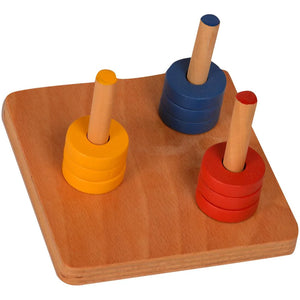
For babies exploring solids (typically around 6 months), offering child-friendly utensils and small, manageable portions on their own plate fosters independence. Our Montessori practical life materials, like child-sized pitchers and trays, indirectly prepare children for focused, independent meal times by developing their fine motor skills and concentration.
Dispelling Baby Nutrition Myths India: Fact vs. Fiction
The digital age has unfortunately amplified many baby nutrition myths India has long contended with. Social media, in particular, often promotes 'superfoods' or specific feeding schedules that may not align with your baby's needs or local food availability. For example, some influencers might push expensive imported fruit purees, while the humble, nutrient-dense banana or soft-cooked khichdi, staples in Indian homes, are equally or more beneficial.
Studies indicate that early exposure to diverse, homemade, culturally appropriate foods builds a broader palate and reduces picky eating later. The American Academy of Pediatrics (AAP) and the Indian Academy of Pediatrics (IAP) consistently recommend starting with single-ingredient purees or soft solids, prioritizing breastmilk or formula for the first year, and introducing allergens carefully under guidance. Always consult your pediatrician for personalized advice, rather than relying solely on online trends.
Empowering Informed Feeding Choices India
To make truly informed choices, consider these steps:
- Evaluate Sources Critically: Question every ad or social media post. Is it from a reputable medical professional or a brand trying to sell you something?
- Observe Your Baby: Your baby is the best guide. Are they leaning in for more, or turning their head away? Respect these cues. This is a core tenet of the Montessori philosophy.
- Prioritize Homemade & Traditional: Many Indian dishes are perfectly suited for babies once modified for texture. Think mashed dal, soft idlis, pureed seasonal vegetables, and fruits. These are often more nutritious and cost-effective than commercial alternatives.
- Engage Family Wisdom Mindfully: While Dadi-Ma's advice is invaluable, gently blend it with current nutritional science. For instance, she might suggest rice water; you can explain that while traditional, whole grains like ragi offer more comprehensive nutrition for a growing baby.
Remember, feeding is not just about nutrition; it's about connection, learning, and developing a healthy relationship with food. By adopting a Montessori mindset, you empower your baby to be an active participant in their feeding journey, free from the overwhelming digital parenting baby food pressures.
- Mass media exposure is directly linked to infant and young child feeding practices in India, as highlighted by a Nature study.
- Montessori principles promote a prepared feeding environment and respect for the baby's autonomy, countering media pressures.
- Indian parents should prioritize homemade, culturally appropriate solid foods over heavily marketed commercial baby food options.
- Observing a baby's hunger and satiety cues is crucial for healthy eating habits, often overlooked due to external feeding schedules.
- Critical evaluation of social media trends and advertisements helps Indian parents make truly informed feeding choices.
- Creating a calm, distraction-free mealtime fosters concentration and a positive relationship with food from infancy.
How does media influence infant feeding in India specifically?
Media influence infant feeding in India often manifests through advertisements promoting commercial baby formulas or packaged weaning foods, as well as social media content that can create unrealistic expectations or propagate misinformation about infant nutrition. This exposure can pressure parents to deviate from traditional, homemade, or breastfeeding practices, impacting healthy infant habits.
What are common baby nutrition myths India parents encounter?
Common baby nutrition myths India parents encounter include beliefs that commercial cereals are always superior to homemade purees, that babies must finish every drop of milk or every bite of food regardless of satiety, or that certain foods are inherently 'cold' or 'hot' and unsuitable for babies. Many of these myths are perpetuated through informal channels or subtly reinforced by marketing campaigns, impacting informed feeding choices India.
How can I create a Montessori feeding environment for my baby at home?
Creating a Montessori feeding environment involves offering a designated, calm space free from distractions like screens, using child-sized furniture, and providing appropriate utensils to foster independence. Focus on serving small portions of real, healthy infant habits-promoting food, allowing your baby to explore textures, and respecting their hunger and fullness cues without pressure. SkilloToys offers practical life materials that support this independence.
When should Indian parents introduce solids, considering cultural factors and media advice?
Child development experts like the Indian Academy of Pediatrics (IAP) recommend introducing solids around six months, when a baby shows signs of readiness, such as head control and interest in food. While media might promote specific 'first foods,' it's best to start with nutrient-dense, culturally appropriate options like ragi porridge, mashed lentils (dal), or pureed vegetables, ensuring healthy infant habits and avoiding processed alternatives.
What is digital parenting baby food and how can I navigate it responsibly?
Digital parenting baby food refers to the vast amount of information, recommendations, and product promotions related to baby feeding found on social media, blogs, and online forums. To navigate it responsibly, critically evaluate sources, prioritize advice from certified pediatricians or dietitians, and remember that personalized guidance for your baby is more valuable than generic online trends, fostering truly informed feeding choices India.