Montessori Games for Baby Development: Holistic Growth
Empowering parents in India, understanding how montessori games for baby development foster holistic growth is crucial for a child's foundational year. Research shows that engaging babies (0-12 months) with purpose-driven play significantly impacts cognitive, motor, and sensory skills. As UNICEF highlights, games are not just fun; they are fundamental for a child's healthy development, laying the groundwork for future learning and well-being.
As new parents, the journey of your baby's first year is filled with wonder, joy, and often, a touch of anxiety about meeting those crucial developmental milestones. In Indian homes, where grandparents and extended family often contribute to a child's upbringing, finding activities that are both culturally resonant and developmentally effective can be a beautiful blend. This guide from SkilloToys offers practical, Montessori-inspired games designed to support your baby's comprehensive growth, ensuring they thrive beyond just reaching milestones.
What are Montessori Games for Babies?
Montessori games are child-led, purpose-driven activities designed by Dr. Maria Montessori to naturally support a baby's innate drive for exploration and learning. This matters because they cultivate independence, concentration, and a love for discovery from infancy. Indian parents can integrate these simple games into daily routines for comprehensive development.
These games are carefully crafted to provide just the right level of challenge, encouraging babies to discover and learn at their own pace. They focus on real-world interactions and sensory experiences, aligning with insights from The Hindu that emphasize early investment in children as the key to India’s future. By engaging in these activities, your baby isn't just playing; they're building critical neural pathways.
Fostering Infant Cognitive Development Games Through Montessori
Cognitive development in babies (0-12 months) is a rapid process of understanding the world around them. Montessori games specifically target this by introducing concepts like object permanence, cause-and-effect, and problem-solving in a tangible way. Child development experts agree that early exposure to such stimulating activities builds a strong foundation for lifelong learning.
Peek-a-Boo & Object Permanence Games (4-8 Months)
Simple games like peek-a-boo are more than just entertainment; they teach object permanence – the understanding that things still exist even when they can't be seen. You can enhance this with a soft cloth or a small blanket, hiding a favorite toy and revealing it. This playful interaction sparks joy and critical thinking, encouraging your baby's emerging memory skills.
Texture Basket Exploration (6-12 Months)
Create a 'texture basket' with safe, everyday items from your home – a soft silk scarf, a smooth wooden spoon, a rough jute cloth, or a soft cotton ball. Supervised exploration allows your baby to distinguish different textures, promoting sensory discrimination and cognitive processing. This aligns with the Montessori principle of educating the senses as the pathway to the intellect, also supporting overall baby growth.
Enhancing Baby Motor Skill Activities 0-12 Months with Montessori
Motor skill development, encompassing both fine and gross motor skills, is vital for your baby's physical independence. Montessori games provide ample opportunities for babies to practice grasping, reaching, crawling, and eventually walking, building strength and coordination step-by-step. Early engagement in these activities has a direct impact on brain development and body control.
Montessori Mobiles & Visual Tracking (0-3 Months)
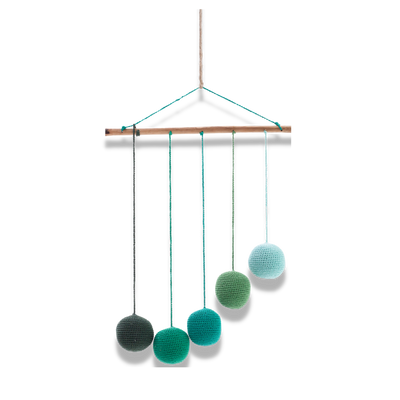
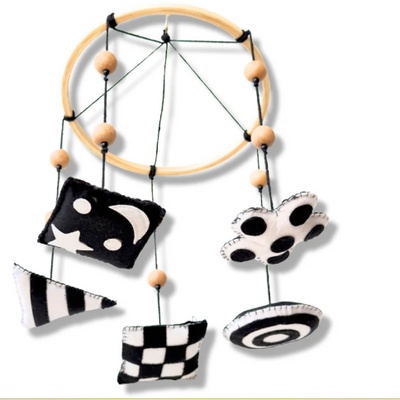
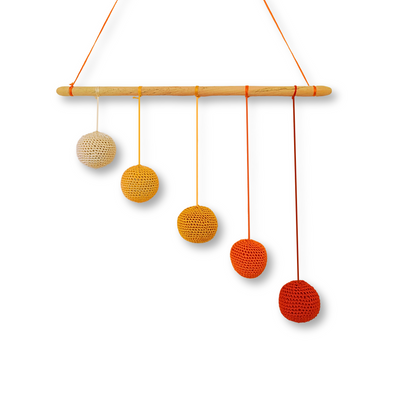
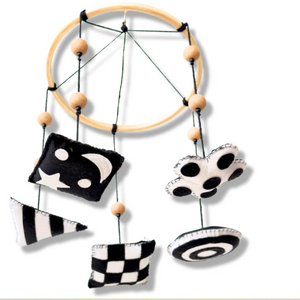
Introduce age-appropriate Montessori mobiles above your baby's crib or play area. These specially designed mobiles (like the Munari, Octahedron, or Gobbi) stimulate visual tracking and focus, strengthening eye muscles and early spatial awareness. They are excellent Montessori materials that encourage concentration without overstimulation.
Grasping Toys & Rattles (3-6 Months)
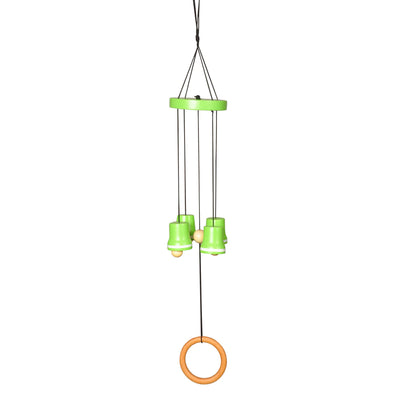
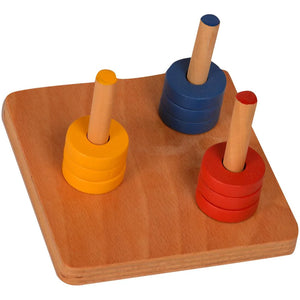
Offer a variety of easy-to-grasp toys like wooden rattles, interlocking discs, or textured rings. These help develop fine motor skills, hand-eye coordination, and a purposeful grip. The simple action of grasping and shaking provides immediate feedback, encouraging repeated practice and strengthening tiny hand muscles essential for later writing and self-feeding.
Rolling & Tummy Time Activities (4-8 Months)
Encourage rolling by placing engaging toys just out of reach during tummy time. A sturdy play mat or a comfortable blanket on the floor is perfect for this. This encourages your baby to push up, pivot, and eventually roll, strengthening core muscles and preparing them for crawling. Consistent tummy time is a foundational element for gross motor development.
Engaging Sensory Play for Holistic Development in Babies
Sensory play is crucial for babies as it allows them to explore their world through sight, sound, touch, taste, and smell, integrating these experiences into a cohesive understanding. India Today rightly reinforces why play-based learning deserves equal footing with nutrition in child development, highlighting the profound impact of sensory input.
Water Play (6-12 Months, supervised)
A shallow bowl of water with a few floating objects (like safe bath toys or light plastic cups) provides rich sensory experience. Supervised water play introduces different temperatures, textures, and concepts of volume and buoyancy. It’s a wonderfully calming yet stimulating activity for tiny hands to splash and explore, enhancing sensory play for holistic development.
Sound Bottles & Discovery Baskets (6-12 Months)
Fill small, clear, sealed bottles with various materials like rice, lentils, beads, or small bells to create different sounds. Let your baby shake and discover the distinct auditory experiences. Similarly, discovery baskets filled with safe, themed items (e.g., natural materials like pinecones or safe kitchen utensils) invite tactile and visual exploration.
The Social-Emotional Impact: Holistic Baby Development Activities
Beyond cognitive and motor skills, Montessori games inherently foster social-emotional growth. By promoting independence, confidence, and interaction with caregivers, these activities help babies understand their place in the family and world. A nurturing and responsive environment, often found in Indian joint families, greatly enhances this aspect.
Mirror Play & Self-Awareness (5-9 Months)
Place a safe, unbreakable mirror near your baby during tummy time or sitting. Babies are fascinated by their own reflections, which promotes self-awareness and helps them understand facial expressions. Engage with them in the mirror, smiling and talking, to encourage social interaction and recognition.
Singing & Reading Time (0-12 Months)
Simple songs, rhymes, and reading board books aloud are powerful tools for language development and emotional bonding. The rhythmic patterns and varied tones captivate babies, enhancing auditory processing and preparing them for communication. This shared experience fosters a deep connection and security, crucial for holistic baby development activities.
Embracing Montessori games for baby development means more than just providing toys; it's about cultivating an environment that respects your child's innate potential and encourages active learning. By integrating these simple, purposeful activities into your daily routine, you empower your baby to explore, discover, and grow holistically, building a strong foundation for their bright future. Remember, the goal is not to rush milestones but to nurture a curious, confident, and capable child.
- Montessori games from birth significantly impact a baby's holistic development across cognitive, motor, sensory, and social-emotional domains.
- Early engagement with purpose-driven play is crucial for building neural pathways and foundational learning skills.
- Montessori activities like mobiles, grasping toys, and texture baskets enhance specific developmental areas like visual tracking, fine motor skills, and sensory discrimination.
- Creating a prepared environment at home, even with everyday items, supports a child's natural drive for exploration and independence.
- Child-led play, where babies explore at their own pace, fosters concentration, problem-solving, and a lifelong love for learning.
- Integrating Montessori principles into daily routines, with family involvement, promotes comprehensive growth and prepares children for future academic and social success.
What is the ideal age to introduce Montessori games to my baby?
Montessori principles and games can be introduced right from birth, adapting to the baby's developmental stage. Simple visual stimuli like mobiles are perfect for newborns, progressing to grasping and sensory toys as they grow.
How do Montessori games differ from regular baby toys?
Montessori games are purpose-driven, designed to isolate specific skills and encourage self-correction, fostering concentration and independence. Unlike many commercial toys that entertain passively, Montessori materials actively engage the child in meaningful learning experiences.
Can I implement Montessori games at home without a special setup?
Absolutely. Implementing Montessori at home in an Indian context is about creating a prepared environment using everyday items and simple toys. Focus on accessibility, order, and offering activities that match your child's current developmental stage, involving family members too.
Are Montessori toys expensive, and do I need many of them?
Montessori toys are an investment in quality and developmental purpose, but you don't need many. Focus on a few high-quality, age-appropriate materials that serve multiple developmental needs. Many Montessori-inspired activities can also be created with common household items, making it accessible for every Indian family.
How much playtime with Montessori games is recommended for babies 0-12 months?
The duration of Montessori playtime should be child-led. Babies at this age have short attention spans, so brief, focused sessions (5-15 minutes) several times a day are more effective than long, forced play. Observe your baby's cues for engagement and disinterest.