Montessori Non-Toxic Nursery: A Safe Haven for Babies
A Montessori non-toxic nursery provides a safe, stimulating, and chemical-free environment essential for a baby's optimal development during their crucial first year. Research shows that minimizing exposure to toxins supports cognitive growth, respiratory health, and overall well-being in infants, giving Indian parents peace of mind as they welcome their little ones. This guide outlines how to create such a space effectively, ensuring your baby thrives in a nurturing environment.
As new parents in India, you are naturally focused on every milestone, from their first smile to their first step. Creating a safe haven where your baby can explore and learn without exposure to harmful substances is a foundational step in their development. This commitment aligns perfectly with the recent attention on toxin-free baby care, making it a timely concern for families across Bengaluru and beyond.
What is a Montessori Non-Toxic Nursery?
A Montessori non-toxic nursery is a meticulously prepared, child-centric space designed to be free from harmful chemicals, promoting safety and independent exploration. This matters because a clean, safe environment directly supports a baby's physical and neurological development, allowing Indian parents to foster their child's natural curiosity without health concerns.
The Urgent Need for Safe Baby Products in India
The increasing awareness around infant health has made parents highly discerning about the products they choose. The recent launch of a new 'Toxin-Free Baby Care Line' by Panacea Biotec, as reported by scanx.trade, underscores a significant shift towards safer alternatives in the Indian market. This news resonates deeply with Indian parents who are increasingly anxious about the safety of their little ones amidst a plethora of product choices.
Child development experts agree that the first 12 months are a period of rapid growth, where babies absorb everything from their surroundings. This makes avoiding chemicals like phthalates, parabens, and synthetic fragrances not just a preference, but a critical health imperative. Prioritizing safe baby products in India directly contributes to a healthier start for our children, safeguarding their delicate systems from environmental aggressors.
Designing Your Montessori Nursery Setup: Beyond Just Aesthetics
A Montessori nursery setup emphasizes simplicity, order, and accessibility, inviting the baby to interact with their environment. Start by choosing natural materials for furniture, such as solid wood cribs and changing tables, avoiding particleboard or MDF which can off-gas VOCs. For bedding, opt for organic cotton sheets and mattresses free from flame retardants.
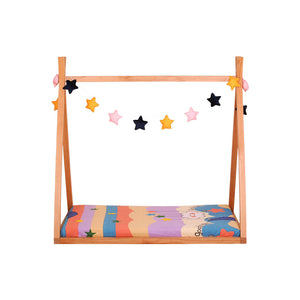
Consider a floor bed for when your baby is older and more mobile, aligning with Montessori principles of freedom of movement. Ensure paint is low-VOC or zero-VOC, and allow ample time for new furniture to air out before the baby's arrival, especially crucial in Indian homes where ventilation can vary. This careful preparation creates a calming and stimulating space, fostering independence from an early age.
Choosing Non-Toxic Baby Toys and Materials for Exploration
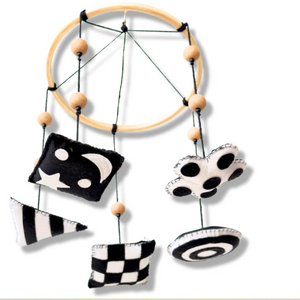
The toys your baby interacts with are key to their learning and development, making non-toxic baby toys a non-negotiable choice. Maria Montessori believed in providing high-quality, natural materials that engage the senses and promote purposeful activity. Opt for toys made from untreated wood, organic cotton, natural rubber, or food-grade silicone.
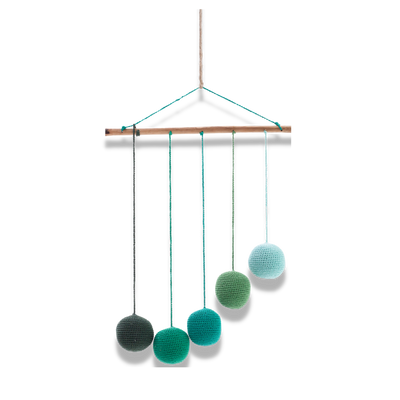
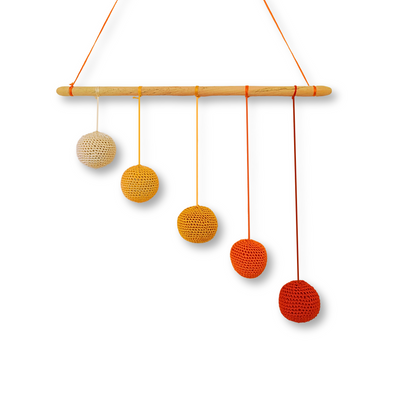
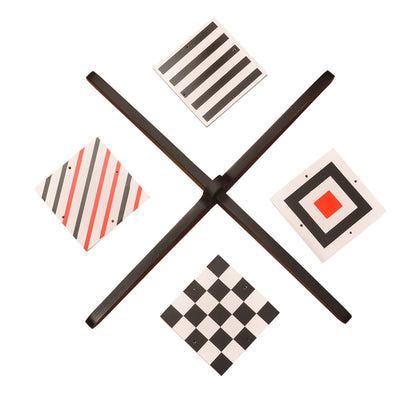
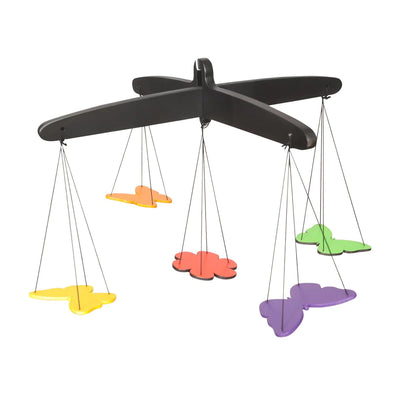
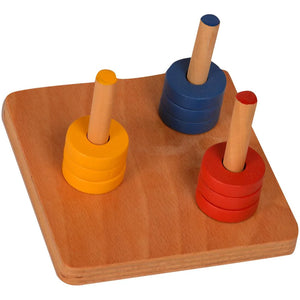
Avoid plastic toys that may contain BPA, PVC, or phthalates, which can leach harmful chemicals, especially when babies put items in their mouths. At SkilloToys, we offer a wide range of Montessori materials non-toxic and safe for infants, designed to support their sensory and motor skills development. Consider simple wooden rattles, soft fabric balls, and stackers made from natural materials, which are not only safe but also durable and sustainable.
Eco-Friendly Baby Home: Natural Cleaning and Air Quality Tips
Maintaining an eco-friendly baby home extends beyond just the nursery; it encompasses your entire living space. Replace conventional cleaning products, which often contain harsh chemicals like ammonia and bleach, with natural alternatives such as vinegar, baking soda, and lemon. These natural baby care tips are effective and safe, especially important in homes with joint families where various cleaning agents might be used.
Good air quality is paramount for a baby's respiratory health. Ensure regular cross-ventilation in your home, opening windows daily, perhaps during the cooler mornings in Bengaluru. Consider an air purifier with a HEPA filter, particularly if you live in an urban area with higher pollution levels. Indoor plants, such as spider plants or peace lilies, can also help filter the air naturally, adding a touch of greenery to your home.
Natural Baby Care Tips: Gentle Routines for Your Little One
When it comes to your baby's delicate skin, less is often more. Choose organic and fragrance-free baby washes, lotions, and oils. Research indicates that certain chemicals in conventional baby products can disrupt hormone function and cause skin irritations. Many Indian grandmothers traditionally use natural ingredients like gram flour (besan) and turmeric for bathing, which are excellent toxin-free options.
For laundry, use fragrance-free, hypoallergenic detergents specifically designed for baby clothes. This is crucial for infants aged 0-12 months whose skin is particularly sensitive. Dress your baby in clothes made from organic cotton or bamboo, which are breathable and free from synthetic dyes and finishes, ensuring maximum comfort and safety during our varied Indian climates.
- A Montessori non-toxic nursery promotes a baby's optimal development by minimizing exposure to harmful chemicals.
- Research shows that avoiding toxins in the first year supports cognitive, respiratory, and overall infant health.
- Indian parents can choose organic, natural materials for nursery furniture, bedding, and paints to reduce VOC exposure.
- Selecting non-toxic baby toys made from wood, organic cotton, or natural rubber is crucial for safe exploration.
- Maintaining good indoor air quality through ventilation and natural cleaning products is vital for an eco-friendly baby home.
- Natural baby care tips, including organic skincare and detergents, protect a baby's delicate skin from irritants.
Why is a non-toxic environment crucial for babies (0-12 months)?
A non-toxic environment is crucial because a baby's developing immune system and organs are highly susceptible to harmful chemicals. Studies indicate that early exposure to toxins can impact neurological development and respiratory health, making a clean space vital for their growth.
What specific toxins should I avoid in a baby's nursery?
Parents should avoid VOCs (Volatile Organic Compounds) found in paints and furniture finishes, phthalates in plastics, flame retardants in mattresses, and formaldehyde in some composite wood products. Opt for natural materials and certified non-toxic alternatives for all nursery items.
How do Montessori principles enhance a non-toxic nursery?
Montessori principles advocate for a prepared environment that is safe, orderly, and fosters independence. Integrating this with non-toxic choices means selecting natural, durable materials that are safe for exploration, ensuring every element supports the child's development without health risks.
What are examples of safe baby products available in India?
Safe baby products in India include items made from organic cotton, natural rubber, untreated wood, and food-grade silicone. Brands offering toxin-free detergents, organic skincare, and BIS-certified wooden toys are increasingly available, like those found at SkilloToys.
How can I ensure good air quality in my baby's room?
Ensuring good air quality involves regular ventilation, using air purifiers with HEPA filters, and avoiding synthetic air fresheners or harsh cleaning chemicals. Opt for natural cleaners, keep indoor plants, and frequently clean to reduce dust and allergens in the baby's space.