Multilingual Baby Development India: A Montessori Guide (0-12 Months)
Fostering multilingual baby development India from 0-12 months is highly beneficial and achievable by creating a language-rich environment through Montessori principles. Research shows that infants exposed to multiple languages from birth develop enhanced cognitive flexibility, problem-solving skills, and a deeper appreciation for cultural diversity. Indian parents can proactively nurture their baby's innate capacity for language by engaging them with varied sounds, words, and interactions in different mother tongues.
Fostering multilingualism in babies refers to the intentional and consistent exposure of infants to two or more languages from the earliest stages of development. This matters because a baby's brain is uniquely wired for language acquisition, making the first year a critical period for absorbing linguistic patterns. Indian parents can leverage this "absorbent mind" by integrating diverse languages into daily routines and interactions.
The Unique Benefits of Multilingualism for Your Indian Baby
Children who grow up exposed to multiple languages in Indian homes gain a significant advantage beyond just communication. Studies indicate that early multilingual exposure, especially before the age of three, can enhance executive functions, including attention control and task switching. This cognitive boost is invaluable as they navigate their schooling years and beyond.
Moreover, being multilingual fosters a strong connection to one's cultural heritage, a crucial aspect of identity in India. Imagine your child effortlessly conversing with grandparents in their native Hindi or Malayalam, strengthening familial bonds and preserving traditional stories. This early foundation reduces future pressure for parents who worry about their child learning regional languages later on.
Early Language Development (0-12 Months): A Montessori Approach
Maria Montessori famously described the infant brain as an "absorbent mind," capable of effortlessly soaking up information from its environment. During the first 12 months, babies are not just listening; they are actively processing the sounds, rhythms, and structures of every language they encounter. This period is foundational for all future language acquisition.
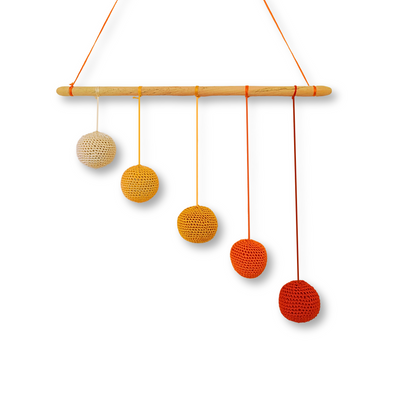
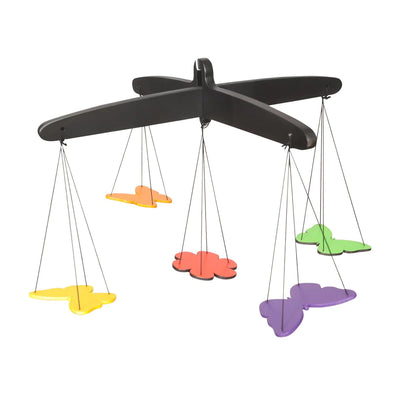
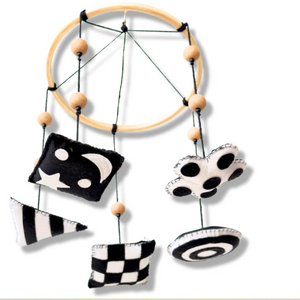
A Montessori environment encourages rich sensory experiences that are vital for linguistic development. Providing babies with diverse textures, sounds, and visual stimuli helps build the neural pathways necessary for language. For instance, offering a variety of tactile materials helps refine their senses, which indirectly supports their ability to distinguish speech sounds.
How to Teach Baby Multiple Languages in an Indian Home
Integrating multiple languages into your baby's daily life is simpler than you might think, especially within the context of an Indian joint family. Consistency is key, but it doesn't mean strict segregation. Child development experts agree that a "one parent, one language" approach can be effective, but so can a "situational" approach where different languages are used for different activities or by different family members.
For example, a parent might consistently speak English, while a grandparent exclusively speaks Hindi or Malayalam. During festivals or family gatherings, the child naturally encounters a mix of languages, further enriching their linguistic tapestry. The crucial element is constant, loving communication in each language.
Practical Montessori Strategies for 0-12 Months:
- Speak, Sing, and Read: Engage your baby with conversations, lullabies, and storybooks in each target language. Even before they understand words, they absorb the sounds and intonations.
- Responsive Interaction: Respond to your baby's coos and babbling in the language you are using. This teaches them the "give and take" of conversation.
- Language-Rich Environment: Label objects around the house in multiple languages. For instance, point to a chair and say "chair," "kursi" (Hindi), and "kasera" (Malayalam) if these are your chosen languages.
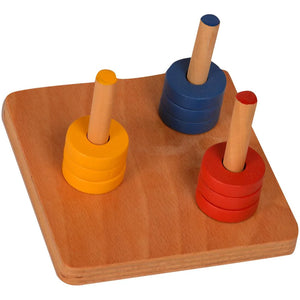
- Sensorial Exploration: Offer age-appropriate Montessori materials that encourage exploration. Tactile materials like a set of sensorial materials can stimulate senses and build foundations for discrimination, which later aids in differentiating speech sounds.
Beyond Sounds: Readiness for Hindi and Malayalam Alphabets for Baby
While infants aged 0-12 months are too young for formal alphabet instruction, this period is crucial for developing phonemic awareness – the ability to hear, identify, and manipulate individual sounds (phonemes) in spoken words. This readiness is essential for later literacy, whether in English, Hindi, or Malayalam.
Parents can prepare their baby for eventual recognition of hindi alphabets for baby and malayalam alphabets for baby by focusing on clear articulation and repetition of sounds. Simple rhymes and songs in these languages are excellent tools. Exposure to picture cards with common objects, named aloud in both languages, also builds early vocabulary. This lays a strong foundation for when they are ready to engage with specific letter forms.
Integrating Indian Culture and Language:
In Indian households, language often comes hand-in-hand with culture. Narrate stories from the Panchatantra or Jataka Tales in Hindi, or sing traditional Malayalam folk songs. Use traditional toys and explain them in different languages. This holistic approach ensures language learning is deeply embedded in the child's identity and surroundings. Encourage interactions with grandparents and other family members who can provide natural exposure to different regional languages.
- Research indicates that exposing babies to multiple languages from birth significantly enhances their cognitive abilities, including problem-solving and attention control.
- The first 12 months of a baby's life represent a critical period of the "absorbent mind," where infants effortlessly acquire linguistic patterns from their environment.
- Montessori principles support early language development through rich sensory experiences and responsive, consistent language exposure in multiple mother tongues.
- Indian families can effectively foster multilingualism by having different family members speak distinct languages or by using languages in specific contexts.
- Early phonemic awareness, developed through sounds and rhymes, is crucial readiness for later learning specific alphabets like Hindi or Malayalam.
- Consistent verbal interaction, singing, and reading in multiple languages are more impactful than strict language segregation for infant language acquisition.
Conclusion
Fostering multilingualism in your Indian baby from birth is a profound gift, enriching their cognitive development, cultural connection, and future opportunities. By embracing Montessori principles and creating a nurturing, language-rich environment, you can confidently guide your little one through their first year of language exploration. Remember, every coo, every word, every song in multiple languages is building the foundation for a brilliant, linguistically diverse future.
Consider exploring SkilloToys' range of Montessori Language Materials designed to support your child's journey into the wonderful world of words, or our collection of Practical Life Materials which build fine motor skills essential for future writing.
Can I really teach my baby multiple languages from birth?
Yes, absolutely. Research confirms that babies are hardwired to absorb multiple languages simultaneously from birth without confusion. Their brains are incredibly adept at distinguishing and processing different linguistic systems when exposed consistently.
Will my baby get confused if we speak too many languages?
No, babies do not get confused by multiple languages; this is a common misconception. Their developing brains are highly capable of processing distinct linguistic inputs, often separating them even before they speak their first words. Any temporary mixing of languages is a normal part of the learning process.
What is the best way to introduce Hindi or Malayalam to my baby?
The best way is through consistent, natural interaction. Speak, sing, and read to your baby in Hindi or Malayalam regularly. Engage grandparents or other family members who are native speakers to interact with the child in their mother tongue, making it a natural part of daily life.
Do Montessori toys help with early language development?
Yes, Montessori toys, particularly sensorial and practical life materials, indirectly support early language development by refining senses, building concentration, and encouraging exploration. These foundational skills are crucial for developing phonemic awareness and the fine motor control needed for future writing and reading.
At what age should I start showing my baby alphabets?
Formal alphabet instruction, such as showing specific letters like Hindi or Malayalam alphabets, is typically introduced around 18-24 months when a child shows readiness. From 0-12 months, focus on developing phonemic awareness through sounds, songs, and conversational exposure to prepare their ears and brains for later letter recognition.