Newborn and Child Health Tips India: UNICEF & Montessori Guide
Providing comprehensive newborn and child health tips India parents can rely on is crucial for the first year of life. Holistic newborn and child health encompasses physical well-being, emotional security, cognitive stimulation, and social development, going beyond basic medical care. By integrating UNICEF's global health standards with Montessori's child-centric philosophy, parents can create a nurturing foundation for their baby's optimal growth from 0-12 months.
Holistic newborn health is an integrated approach that addresses a baby's complete well-being—physical, mental, emotional, and social—rather than just isolated aspects. This matters profoundly because a balanced foundation in the first year impacts lifelong development and resilience. Indian parents can implement this by consciously creating responsive, stimulating environments and routines inspired by global best practices like those from UNICEF and Montessori.
The UNICEF & Montessori Synergy: Why It Matters for Indian Babies
The recent focus on 'Newborn and child health' by UNICEF highlights the universal importance of early intervention and comprehensive care. For Indian families, where traditions often blend with modern practices, integrating UNICEF's robust guidelines with Maria Montessori's profound understanding of child development offers a powerful framework. This synergy moves beyond mere survival, aiming for thriving babies in our diverse cultural landscape.
Child development experts agree that the first 12 months are a period of extraordinary growth, where experiences shape brain architecture. Research consistently shows that a nurturing, stimulating environment, combined with adequate health provisions, lays the strongest groundwork for future learning and well-being. This integrated approach is particularly relevant for Indian parents balancing ancestral wisdom with contemporary challenges.
Prioritising Physical Health: Hygiene and Safety in Indian Homes
Ensuring a healthy environment for infants begins with meticulous hygiene and uncompromising safety. In Indian homes, this often means adapting practices for varying living spaces, from urban apartments to joint family houses. UNICEF's guidelines stress handwashing, safe drinking water, and maintaining a clean living area, crucial for preventing common infant illnesses.
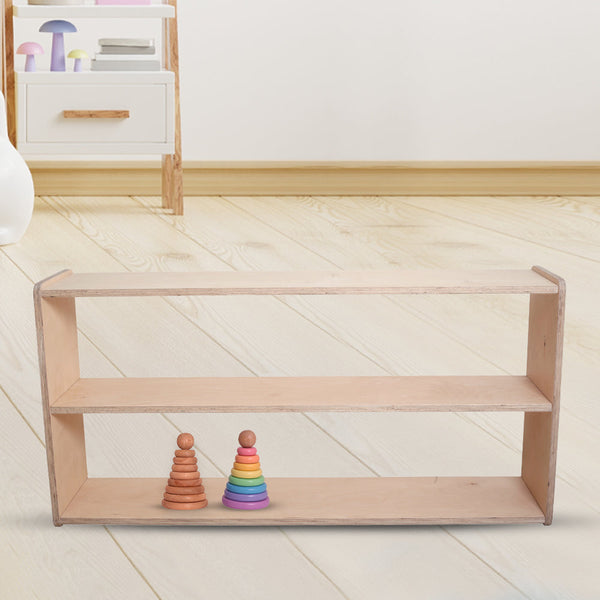
Montessori principles extend this by advocating for a 'prepared environment' – a space intentionally designed for the child's safety and exploration. This means child-proofing, securing electrical outlets, and ensuring floor spaces are clean and free of small, choking hazards. Consider using natural, non-toxic cleaning agents, especially in areas where your baby will explore. A clean floor is a baby's first classroom.
Nurturing Nutrition: WHO & IAP Guidelines for Indian Infants
Nutrition is the cornerstone of infant health. The World Health Organization (WHO) and the Indian Academy of Pediatrics (IAP) unequivocally recommend exclusive breastfeeding for the first six months of a baby's life. This practice, critical for immunity and optimal growth, significantly reduces infant mortality and morbidity across India's diverse regions. Breastmilk provides all the necessary nutrients and antibodies.
After six months, complementary feeding should begin, introducing nutrient-rich, locally sourced foods while continuing breastfeeding up to two years and beyond. For parents considering this, remember to introduce one food at a time, observe for allergies, and respect your baby's hunger and satiety cues. This gradual, responsive approach aligns with Montessori's respect for the child's individual pace.
Fostering Emotional & Cognitive Growth: Montessori's Gentle Approach
Beyond physical care, a baby's emotional and cognitive development is equally vital for overall wellness. This is where Montessori's unique insights, deeply rooted in observing the child, truly shine. It teaches parents to see the infant as a whole person, capable of profound learning from birth.
The traditional Indian practice of daily oil massage (malish) is a beautiful example of this blend. It's not just bonding; it provides essential proprioceptive and tactile input, aiding sensory integration and body awareness, which Western therapists now use for infant self-regulation. This age-old ritual aligns perfectly with Montessori's emphasis on sensory exploration for building neural pathways.
Responsive Care and Attachment: The Heart of Infant Wellness
A central tenet of both UNICEF's infant care guide and Montessori philosophy is responsive care. This means observing your baby's cues—their smiles, cries, gaze, and movements—and responding with sensitivity and consistency. A secure attachment, built on trust and predictability, forms the bedrock of emotional stability and confidence.
For new parents, especially those in bustling Indian joint families, this might mean finding quiet moments for one-on-one interaction amidst the loving chaos. Holding your baby close, making eye contact, and engaging in gentle conversations even before they can respond verbally fosters deep emotional connections. These interactions are invaluable for their budding sense of self.
Creating a Prepared Environment: Sensory Exploration from Day One
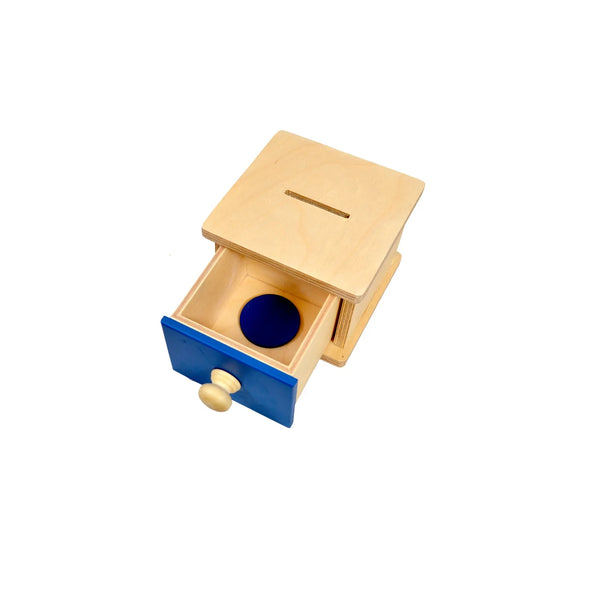
Maria Montessori stressed the importance of a 'prepared environment' to support a baby's natural drive for self-discovery. For the 0-12 months age group, this involves simplifying the space and offering purposeful materials. Rather than overwhelming them with many toys, focus on a few high-quality items that encourage specific developmental skills.
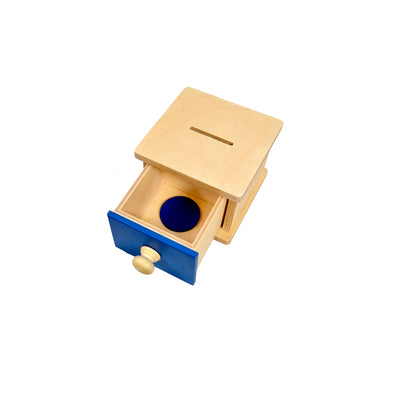
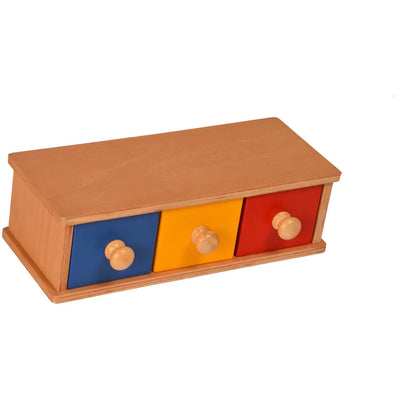
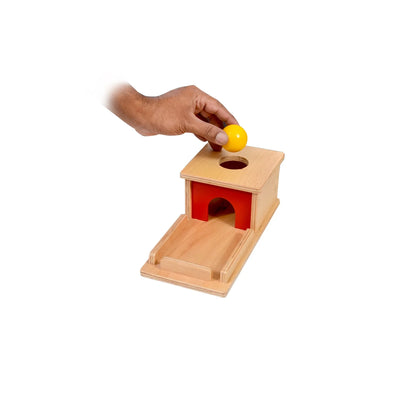
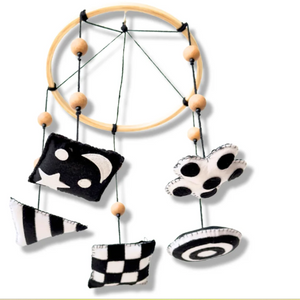
For visual development, simple black and white cards or a Gobbi mobile can capture a newborn's attention, encouraging focus and visual tracking. As they grow, providing wooden rattles or grasping beads allows them to refine their fine motor skills and understand cause-and-effect. Explore a range of Montessori learning materials and toys that invite exploration and independent engagement, allowing them to learn through doing.
Observing Milestones, Celebrating Uniqueness
Anxious new parents in India often worry about hitting developmental milestones at precisely the 'right' time. While it's important to be aware of general timelines, both UNICEF and Montessori encourage parents to 'follow the child.' Every baby is unique, and their developmental journey unfolds at its own pace. Some may walk early, others may focus on language, yet all are learning constantly.
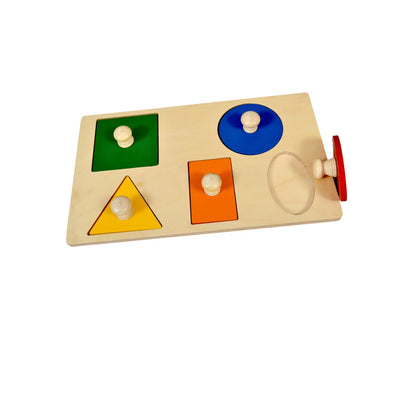
Instead of comparing your baby to others, observe their unique interests and strengths. If your baby is captivated by wooden puzzles, provide opportunities for that. If they are fascinated by textures, offer safe, varied sensory experiences. This respect for individual rhythms is central to fostering joyful learning and a strong sense of self, celebrating each small achievement, from the first grasp to the first step.