Poshan Maah 2025: Nurturing Your Baby's First Year Growth
Poshan Maah 2025 is India's national campaign dedicated to improving nutrition and overall well-being, providing a vital framework for Indian parents to foster their baby's holistic development during the critical 0-12 month period. This initiative directly supports infants by emphasizing optimal feeding practices, hygiene, and early stimulation crucial for healthy growth and cognitive function. For new and expecting parents navigating the beautiful chaos of their baby's first year, Poshan Maah offers actionable insights and community support.
Poshan Maah 2025 is the Government of India's annual National Nutrition Month, observed to raise awareness and combat malnutrition across the nation. This matters because it provides a focused platform for communities to implement health and nutrition strategies. Indian parents can actively engage with local Anganwadi centres and health workers to access vital information and services for their infants.
Why Poshan Maah 2025 is Crucial for Your Baby's First Year (0-12 Months)
Child development experts agree that the first 1000 days of a child's life, from conception to age two, are foundational for lifelong health and cognitive development. Poshan Maah 2025 strategically aligns with this critical window, providing structured guidance on nutrition, hygiene, and early learning. This national focus empowers families, particularly in joint family settings, to collectively prioritise the youngest members' well-being, transforming traditional practices with scientific insights.
The importance of this initiative is further highlighted by broader national efforts, such as the renaming of NIPCCD to Savitribai Phule National Institute of Women and Child Development. This signifies a renewed emphasis on comprehensive child welfare, mirroring Poshan Maah's holistic approach to nurturing India's future generations. For parents in Bengaluru and across India, this means robust institutional support for infant care.
Optimal Baby Nutrition India: Beyond Just Food
Ensuring optimal baby nutrition in India involves more than just providing sustenance; it's about building healthy eating patterns and understanding cultural nuances. Research shows that exclusive breastfeeding for the first six months offers unparalleled benefits for immunity and development. After six months, age-appropriate complementary feeding, incorporating diverse, locally sourced foods, becomes vital for a baby's rapid growth.
Poshan Maah 2025 stresses the importance of regular growth monitoring and addressing potential deficiencies. Parents can seek guidance from Anganwadi workers on introducing iron-rich foods and ensuring adequate calorie intake. This community-based support helps parents confidently navigate feeding milestones, ensuring their little one receives the best possible start.
Fostering Infant Health & Hygiene: Simple Montessori Healthy Habits
Hygiene is a cornerstone of infant health, especially in the first year. Poshan Maah 2025 promotes practices like proper handwashing, safe drinking water, and maintaining a clean home environment to prevent infections. These simple habits, when instilled early, lay the groundwork for a healthy childhood.
Integrating Montessori healthy habits means involving the child, even at an early age, in their environment. While a 0-12 month old cannot wash hands independently, providing a clean, organised space and modelling hygienic behaviours contributes to their sense of order and well-being. This prepares them for greater independence as they grow, aligning with Maria Montessori's philosophy of fostering self-reliance from birth.
Early Childhood Development India: Montessori's Role in Stimulation
The 0-12 month period is a whirlwind of sensory discovery, and early childhood development in India greatly benefits from intentional stimulation. Studies indicate that early exposure to a stimulating environment significantly boosts brain development, enhancing problem-solving skills and curiosity in infants. Poshan Maah underscores this by advocating for interactive play and communication.
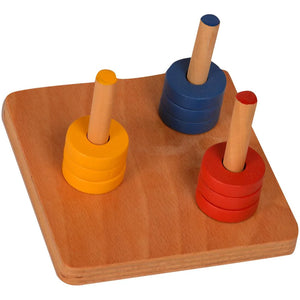
Montessori principles perfectly complement this by advocating for a 'prepared environment' where infants can freely explore and interact with carefully chosen materials. Simple activities like tracking a slow-moving object, reaching for a soft rattle, or grasping different textures engage a baby's developing senses and motor skills. SkilloToys offers a range of Montessori Grasping Toys designed specifically for this crucial developmental stage, promoting concentration and fine motor development.
Engaging with Poshan Maah: Practical Steps for Parents
Indian parents can actively participate in Poshan Maah 2025 by attending local health camps, workshops, and awareness drives organised by government bodies and NGOs. These events often provide free health check-ups, nutrition counselling, and demonstrations on preparing nutritious meals for infants. It's an excellent opportunity to clarify doubts and connect with other parents.
Utilising infant health schemes, such as vaccination programs and supplementary nutrition programs available through Anganwadis, is another practical step. Grandparents, often central to child-rearing in Indian homes, can play a pivotal role by supporting mothers in adopting these practices and accessing information, ensuring a unified approach to the baby's health.
Integrating Montessori Principles for Holistic Growth
Montessori education, founded by Maria Montessori, champions the idea that children are naturally curious and capable learners. For babies 0-12 months, this means respecting their innate drive to explore and understand the world through their senses. A holistic approach, as promoted by Poshan Maah, beautifully integrates with Montessori's emphasis on sensory exploration, freedom of movement, and a connection to nature.
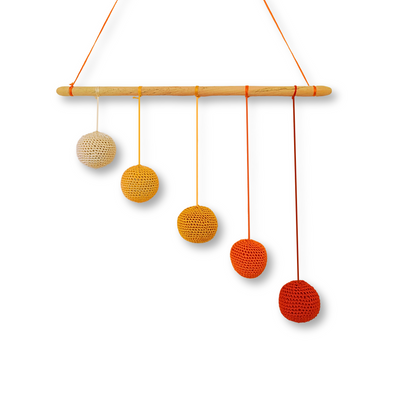
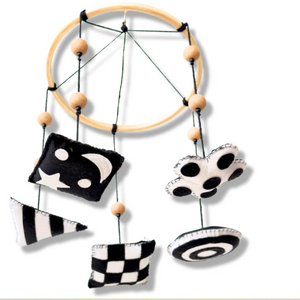
Providing age-appropriate Sensory Exploration Materials allows infants to develop their tactile, visual, and auditory senses naturally. Simple items like crinkle fabric, textured balls, or wooden rattles provide valuable learning experiences. Furthermore, gentle tummy time and supervised floor play encourage gross motor development, fostering strength and coordination. Our Montessori Mobiles, for instance, are designed to stimulate visual development and concentration without overstimulation, crucial for a baby's peaceful and focused growth.
By embracing the goals of Poshan Maah 2025 and integrating them with the timeless wisdom of Montessori, Indian parents can lay a strong foundation for their baby's health, happiness, and lifelong learning journey. It's about empowering your little one to thrive in a stimulating, nurturing, and culturally rich environment.
- Poshan Maah 2025 is India's national campaign for improving nutrition and well-being, crucial for infants 0-12 months.
- The first 1000 days of a child's life are foundational for lifelong health and cognitive development.
- Exclusive breastfeeding for six months and diverse complementary feeding are critical for infant nutrition.
- Montessori principles, like a prepared environment and sensory exploration, complement Poshan Maah's early stimulation goals.
- Indian parents can access vital infant health information and services through local Anganwadi centres.
- Early hygiene practices, promoted by Poshan Maah, build a strong foundation for a baby's health.
What is Poshan Maah and how does it benefit babies 0-12 months?
Poshan Maah is India's National Nutrition Month, providing vital guidance on nutrition, hygiene, and early stimulation for infants. It directly benefits babies by promoting optimal feeding practices and a healthy environment, essential for their rapid development in the first year.
How can Indian parents integrate Montessori principles with Poshan Maah goals?
Indian parents can integrate Montessori principles by focusing on a prepared environment, sensory exploration, and fostering independence. This aligns with Poshan Maah's emphasis on early stimulation and healthy habits, promoting natural learning and self-sufficiency from infancy.
What are key nutritional focus areas for infants (0-12 months) during Poshan Maah?
Key nutritional focus areas include exclusive breastfeeding for the first six months, followed by age-appropriate complementary feeding with diverse, nutrient-rich foods. Poshan Maah encourages regular growth monitoring and addressing specific nutritional deficiencies with local health worker guidance.
Where can Indian parents access support and information related to infant health schemes?
Indian parents can access support and information through their local Anganwadi centres, primary health centres, and community health workers. These resources provide guidance on infant health schemes, vaccinations, and nutrition education, connecting families to government initiatives.
Why is early stimulation important for a baby's holistic development in the first year?
Early stimulation is crucial because the first year is a period of rapid brain development, forming billions of neural connections. A stimulating environment, rich in sensory experiences and interaction, enhances cognitive abilities, language skills, and emotional regulation, setting a strong foundation for future learning.