Screen Time & Baby Brain: Montessori Guide (0-12 Months)
Research indicates that screen time baby development for infants aged 0-12 months can negatively impact cognitive and language skills. Studies, including recent findings highlighted in Nature, show a strong link between passive media exposure and disrupted infant feeding practices, making a mindful approach to media essential for healthy brain growth and responsive eating habits from day one. This guide offers Indian parents practical, Montessori-inspired strategies to nurture their baby's potential.
New parents in India, often supported by joint families and loving grandparents, strive to provide the best start for their little ones. Understanding the implications of digital media during this crucial first year is paramount to ensuring healthy milestones and a strong foundation for future learning.
What is Screen Time for Babies (0-12 Months)?
Screen time for babies (0-12 months) refers to passive viewing of digital media like television, tablets, or smartphones. This matters because a baby's brain develops rapidly through sensory exploration and direct interaction, which screens cannot adequately provide. Indian parents can instead foster development through attentive engagement and a rich, responsive environment, crucial for early learning.
The Science Behind Screen Time and Infant Development
Child development experts and major health organisations like the World Health Organization (WHO) and the American Academy of Pediatrics (AAP) definitively recommend zero screen time for children under 18-24 months. Research shows that early media exposure is linked to delays in language development, attention problems, and decreased executive function in later childhood.
Studies consistently indicate that the rapid-fire images and sounds on screens overwhelm an infant's developing brain, hindering its ability to process real-world stimuli. For instance, a recent study in Nature highlighted how mass media exposure is directly associated with altered infant feeding practices, demonstrating a tangible impact on daily routines and healthy habit formation.
Babies learn by doing, touching, tasting, seeing, and interacting with their caregivers and environment. When a baby passively watches a screen, they miss out on critical opportunities for fine motor skill development, eye-hand coordination, and vocalisation practice that are vital for cognitive growth during this sensitive period.
Protecting Healthy Infant Feeding Practices from Media Distraction
The connection between infant feeding practices and media exposure is a growing concern for parents and paediatricians alike. When babies are exposed to screens during meal times, it often leads to distracted feeding, where they are less attuned to their body's hunger and fullness cues.
Research shows that infants fed while watching screens consume less or more than needed, impacting their early childhood nutrition. This practice also diminishes the crucial bonding time between parent and child during feeding, a period rich with opportunities for verbal and non-verbal communication. For Indian families, where mealtime is often a communal and cherished activity, maintaining a screen-free environment ensures that feeding remains a nurturing and connected experience, aligning with UNICEF's focus on optimal early childhood nutrition.
A Montessori Approach: Nurturing Baby Brain Development Without Screens
Maria Montessori's philosophy offers a powerful alternative to passive screen consumption, focusing on creating a 'prepared environment' that supports natural development. For infants 0-12 months, this means providing engaging, open-ended materials that invite exploration and discovery, stimulating all senses.
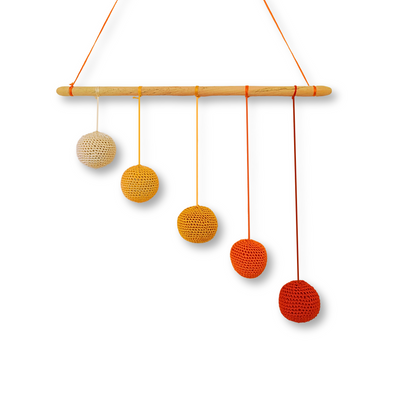
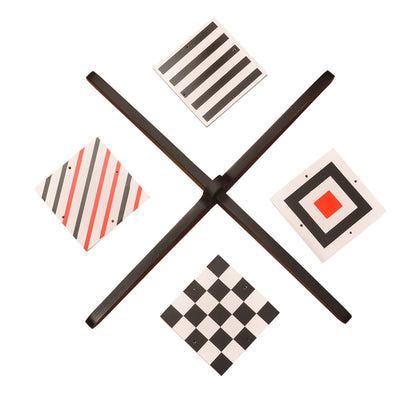
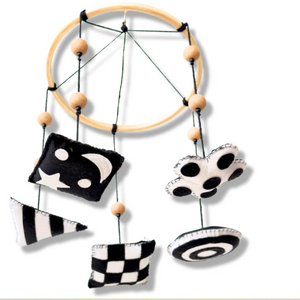
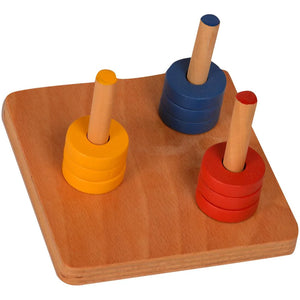
Instead of screens, offer your baby opportunities for sensory play and exploration. Simple Montessori grasping toys like wooden rattles, interlocking discs, or fabric balls encourage fine motor skills and tactile exploration. High-contrast visual mobiles captivate a newborn's developing eyesight, while later, tactile exploration with items like discovery baskets or tummy time on a textured mat fosters concentration and coordination.
Montessori education believes that true learning comes from direct interaction with the environment and purposeful activity. By choosing age-appropriate Montessori materials like a tactile sphere set or a wooden bell rattle, parents empower their babies to become active participants in their own development, fostering independence, concentration, problem-solving skills, and a lifelong love for learning. These tangible experiences are far superior to any passive screen interaction, providing the rich, multi-sensory input essential for neural connections.
Practical Digital Parenting for Babies (0-12 Months) in Indian Homes
Implementing a screen-free approach for infants can be challenging, especially in bustling Indian households with older siblings, joint families, and frequent visitors. However, setting clear boundaries and communicating their importance can make a significant difference.
Create screen-free zones, especially where the baby plays and eats. During festivals or family gatherings, gently explain to relatives the importance of direct interaction with the baby over screen exposure. Encourage grandparents to engage with traditional games, songs, and stories, enriching the baby's cultural and linguistic environment. Role-modeling healthy screen habits yourself also sends a powerful message.
Prioritise interactive play, reading, and outdoor time. Even simple activities like watching a ceiling fan, listening to the sounds of the home, or observing family members going about their daily tasks provide richer sensory input for a baby's developing brain than any digital screen. This mindful approach ensures your baby's development remains robust and rooted in real-world experiences, preparing them not just for school but for life in a way screens simply cannot. Remember, fostering healthy screen habits from the very beginning sets a positive precedent for the entire family's relationship with technology.
- The World Health Organization (WHO) recommends zero screen time for infants aged 0-18 months to protect crucial brain development.
- Passive media exposure can negatively impact infant feeding practices by disrupting hunger cues and parent-child interaction during meals.
- Montessori philosophy advocates for a 'prepared environment' with sensory-rich materials that promote active exploration over passive screen viewing.
- Infants learn best through direct sensory engagement, hands-on exploration, and responsive interaction with caregivers, not from digital screens.
- Avoiding screens in the first year supports better language development, attention span, and cognitive skills later in childhood.
- Indian families can foster healthy screen habits by creating screen-free zones, encouraging traditional play, and role-modeling mindful technology use.
Is any screen time acceptable for babies 0-12 months?
Child development experts, including the American Academy of Pediatrics, strongly recommend avoiding all screen media for infants under 18-24 months, except for video-chatting with family. This zero-screen approach protects rapid brain development during this critical period.
How does screen time affect infant feeding?
Screen time can distract babies from hunger and fullness cues, leading to overeating or undereating and hindering the development of responsive feeding practices. Research highlights that media exposure during meals reduces parent-child interaction, impacting nutritional intake and healthy eating habits.
What are Montessori alternatives to screen time for infants?
Montessori offers rich, sensory-based alternatives such as black and white mobiles, grasping toys, tummy time with discovery mats, and simple household item exploration. These activities encourage concentration, fine motor skills, and natural curiosity through direct engagement with the real world.
How can I manage screen time with older siblings or grandparents?
Establish clear family guidelines about screen-free zones and times, especially during meals and baby's active play. Gently explain the developmental reasons for limited screen exposure to older siblings and grandparents, suggesting alternative engaging activities with the baby.
When can babies start watching educational content?
Experts advise that true educational benefits from screens typically do not begin until children are at least 18-24 months old, and even then, only with high-quality, interactive content viewed with a parent. For infants 0-12 months, direct human interaction and hands-on exploration are far superior for learning.