Track Baby Development at Home India: Simple Ways for Parents
Indian parents can confidently track baby development at home India by actively observing their infant's daily interactions, play, and responses within their familiar environment. This method empowers families, fostering a deeper understanding of their child's unique growth journey from 0-12 months.
It provides a reassuring way to celebrate small victories and identify any potential areas for support early on, all within the comfort and cultural context of your home.
What is Baby Development Tracking at Home?
Baby development tracking at home involves the consistent, mindful observation of an infant's physical, cognitive, social, and emotional growth. This matters because it builds parental confidence, deepens the bond, and enables early intervention if needed. Indian parents can implement this by simply integrating observation into their daily routines and interactions.
Why Monitoring Baby Milestones Matters for Indian Families
Monitoring a baby's developmental milestones is not just about ticking boxes; it's about nurturing their full potential, especially within the rich, supportive structure of Indian joint families. Early investment in children is considered key to India’s future, as highlighted by The Hindu, making parental involvement in tracking paramount.
This active observation allows parents, grandparents, and caregivers to understand a child's unique learning pace and provide tailored support. Research consistently demonstrates that early identification of developmental delays significantly improves intervention outcomes for children, setting them up for greater success.
Practical Ways to Track Baby Development at Home (0-12 Months)
Parents often wonder how to monitor baby growth at home without turning it into a clinical exercise. The beauty lies in integrating observation seamlessly into everyday life. From meal times to playtime, every interaction offers a window into your baby's rapidly developing world.
Embracing Montessori Observation Techniques for Infants
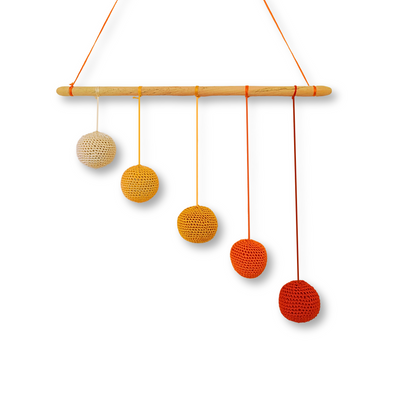
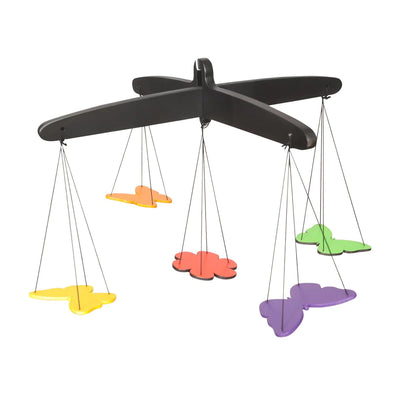
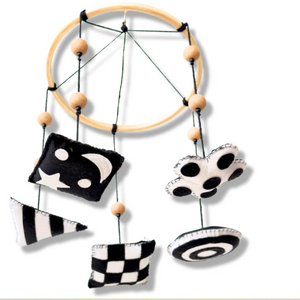
Maria Montessori's philosophy champions the power of observation, urging parents to become keen observers of their children. For infants, this means truly watching how they explore their surroundings, react to stimuli, and attempt new movements. Are they reaching for a rattle, gazing intently at a colourful mobile, or trying to roll over?
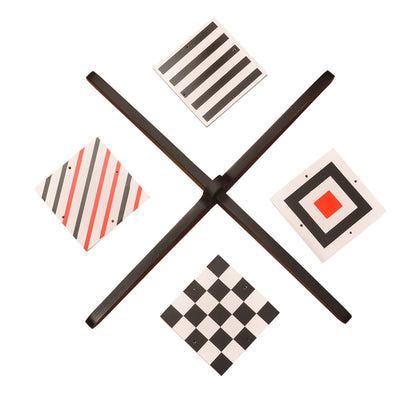
This technique isn't about testing; it's about understanding and responding to your baby's natural cues and interests. By providing a prepared environment with appropriate Montessori developmental materials, you create opportunities for self-directed learning and clearer observation.
Daily Interactions as Developmental Cues
Your baby’s daily routine is a treasure trove of developmental information. Pay attention during feeding: is your baby tracking your face, opening their mouth for a spoon, or holding a bottle? During changing time, notice their leg movements and head control.
Observe their communication: are they cooing, babbling, responding to their name, or making eye contact? These seemingly small moments are crucial indicators of social-emotional and language development. Grandparents, with their wealth of experience, often instinctively notice these subtle yet significant changes.
Creating Your Own Baby Milestones Checklist India (0-12 Months)
A personalized baby milestones checklist India provides a reassuring framework, not a rigid timeline. Focus on four key areas: gross motor skills (e.g., rolling, sitting, crawling), fine motor skills (e.g., grasping, passing objects), language development (e.g., cooing, babbling, first words), and social-emotional development (e.g., smiling, responding to names, stranger anxiety).
Remember that every baby follows their own unique timeline, and there's a wide range of normal development. Use a simple notebook or a digital app to jot down when your baby achieves these small victories, perhaps noting it after their first Diwali celebration or when they finally reach for the festive decorations.
Utilising a Baby Development Chart 0-12 Months as a Guide
A baby development chart 0-12 months can serve as an excellent reference point for parents. These charts typically outline age-appropriate skills across different domains, from turning their head to making sounds. It helps visualise the progression and understand what generally comes next.
However, it is crucial to view these charts as guides, not strict mandates. If your baby reaches a milestone a little earlier or later, it is usually within the normal spectrum. Focus on consistent progress and their overall engagement with the world.
The Power of Play in Monitoring Development
Play is not just fun; it is fundamental to development. UNICEF highlights the fundamental importance of play for healthy child development, a point reinforced by India Today's argument for play-based learning's equal footing with nutrition. Through play, infants explore, experiment, and develop crucial skills.
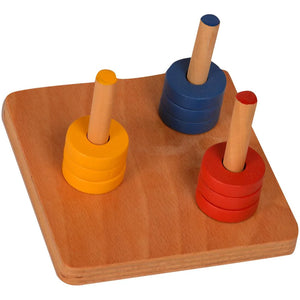
Observe how your baby interacts with simple objects: do they grasp a rattle, mouth a soft cloth, or track a rolling ball? Their engagement with age-appropriate Montessori sensory materials can reveal insights into their cognitive and motor skill progression.
When to Consult a Professional: Trusting Your Parental Instinct
While tracking development at home offers immense reassurance, it’s equally important to know when to seek professional advice. If you notice a significant regression in skills, persistent lack of response to sounds or visual stimuli, or a marked absence of milestones for a prolonged period, it’s always best to consult your paediatrician.
Trust your parental instinct; you know your baby best. Paediatricians in India are partners in your child's journey, ready to offer guidance and support without judgment, ensuring your peace of mind and your baby’s well-being.
- Indian parents can track baby development at home through consistent daily observation of play and interactions.
- The Montessori approach emphasizes observing a child's natural exploration to understand their unique developmental path.
- A baby milestones checklist India provides a helpful, flexible framework for tracking gross motor, fine motor, language, and social-emotional skills.
- Daily routines and interactions offer rich insights into a baby's physical and cognitive growth.
- Play is crucial for development, allowing infants to explore and build essential skills, as supported by UNICEF.
- Consult a pediatrician if significant developmental concerns or regressions arise; parental instinct is a valuable guide.
How often should Indian parents track their baby's development?
Indian parents should track their baby's development continuously through daily observation, rather than specific intervals. This ongoing engagement allows for a holistic understanding of their child's unique pace of growth and interaction within the family.
What are common baby milestones at 6 months for Indian infants?
At 6 months, common baby milestones for Indian infants include rolling over, sitting with support, babbling, reaching for objects, and recognizing familiar faces. These milestones serve as general guides, and individual babies develop at their own pace.
When should I be concerned about my baby's development?
You should be concerned and consult a pediatrician if your baby shows significant regression in skills, lacks typical milestones for their age, or consistently doesn't respond to sounds or visual stimuli. Trusting your parental instinct is crucial in these situations.
Can grandparents help track baby development at home India?
Yes, grandparents play a vital role in Indian families and can significantly assist in tracking baby development. Their rich experience and consistent interaction with the baby offer valuable insights into daily changes, new skills, and behavioural patterns.
Are Montessori toys beneficial for monitoring infant development?
Yes, Montessori toys are specifically designed to aid and stimulate development, making them beneficial for monitoring infant progress. By observing how your baby interacts with materials like rattles or soft blocks, you can gauge their fine motor skills, sensory exploration, and problem-solving abilities.