Wooden Puzzles for Kids: Boosting Baby Skills (0-12 Months)
Introducing wooden puzzles for kids, specifically babies aged 0-12 months, provides crucial developmental benefits for infants, establishing foundational skills in their first year. These simple, tactile toys are essential tools for nurturing cognitive growth and fine motor control, allowing babies to explore and learn at their own pace.
As new parents in India, the journey of your baby's first year is filled with exciting milestones, and often, a gentle anxiety about providing the best start. Choosing the right educational toys, especially for your little one aged 0-12 months, can feel overwhelming. Rest assured, the principles of Montessori offer a clear path, emphasizing natural materials and purposeful play that supports your baby's innate curiosity.
What are Wooden Puzzles for Babies (0-12 Months)?
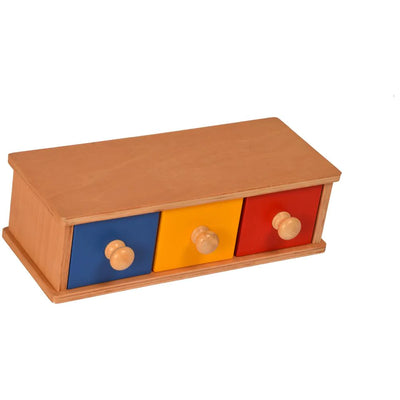
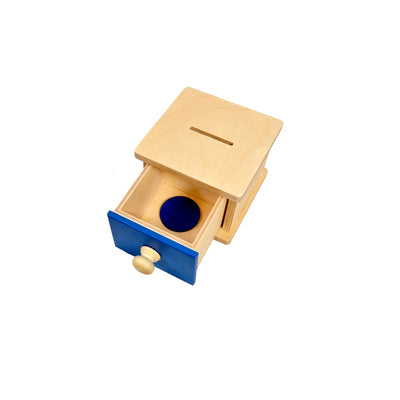
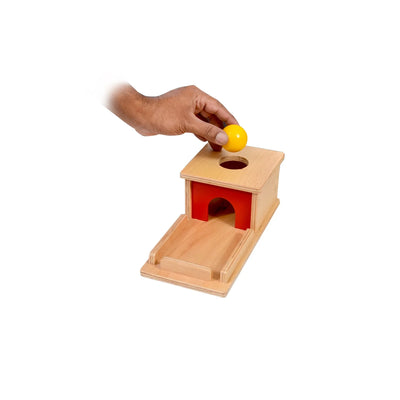
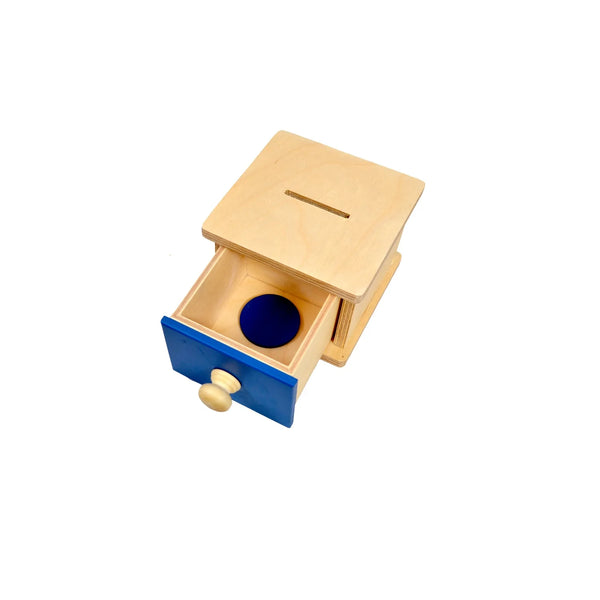
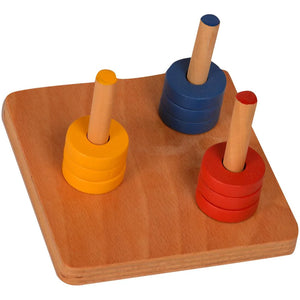
Wooden puzzles for babies (0-12 months) are typically simple, chunky toys designed for tiny hands, often featuring one or two large shapes with knobs or simple inset pieces. These matter immensely because they allow infants to engage with cause-and-effect, develop hand strength, and understand spatial relationships through direct manipulation. Indian parents can confidently introduce these basic puzzles as early as 6 months to encourage early self-discovery and independent play.
Why Wooden Puzzles Boost Early Skills (0-12 Months)
Child development experts agree that the first year of life is a period of rapid brain growth, and providing appropriate stimuli is paramount. Wooden puzzles offer a multi-sensory experience that plastic toys often cannot, engaging sight, touch, and even sound.
Fine Motor Skills and Hand-Eye Coordination with Baby Development Puzzles
For a baby, the act of grasping a wooden knob, feeling its smooth texture, and then attempting to place it into its corresponding hole is a complex task. This repeated action refines their pincer grasp, strengthens wrist muscles, and enhances the crucial connection between what their eyes see and what their hands do. Observe a baby like little Aanya in Bengaluru, around 8 months old, meticulously trying to fit a circular peg into its spot; the focused gaze, the determined grip, the satisfying clunk when it finally lands – these moments are building blocks for future tasks like feeding herself or drawing.
Early Problem-Solving and Cognitive Growth
Even a single-piece puzzle presents a 'problem' for an infant to solve. They learn through trial and error, a cornerstone of Montessori education. The concept of 'productive struggle' is key here; the baby learns persistence, adaptability, and how to self-correct. Studies indicate that children exposed to such self-directed play develop stronger problem-solving skills compared to those who only interact with toys that do all the work for them. It's the process of figuring it out, not just the solution, that builds intelligence.
Focus and Concentration
In a world often filled with flashing lights and loud sounds, the simplicity of a wooden puzzle allows a baby to focus intently. There's no distraction, just the task at hand. This fosters concentration, a skill that is increasingly vital in urban Indian environments where children are exposed to constant sensory input. A quiet session with a wooden puzzle can be as enriching as outdoor play, offering a different kind of mental engagement.
Choosing the Right Montessori Puzzles (0-12 Months)
Selecting the ideal montessori puzzles 0-12 months means understanding your baby's developmental stage and prioritizing safety. These are not complex jigsaw puzzles, but rather foundational tools.
Maria Montessori observed that children have 'absorbent minds' and thrive with materials that cater to their innate drive for exploration. For infants, this translates to very basic, self-correcting puzzles.
- 6-9 Months: Simple Inset Puzzles: Look for wooden puzzles with one or two very large, chunky shapes – like a circle, square, or triangle – each with a large, easy-to-grasp knob. These introduce the concept of 'in and out' and basic shape recognition.
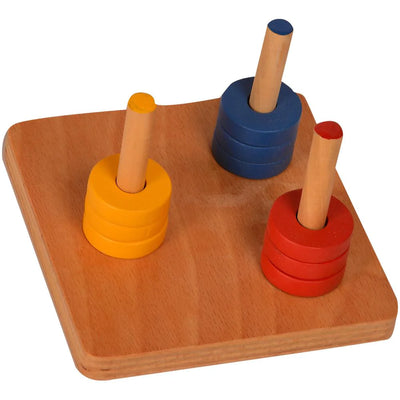
- 9-12 Months: Basic Shape Sorters for Babies: As hand-eye coordination improves, simple shape sorters with 2-3 distinct shapes become engaging. The child learns to orient the piece to fit the hole, a more advanced spatial reasoning task. A well-crafted [wooden shape sorter](https://skillotoys.com/collections/montessori-method-learning-materials-toys) can keep a toddler engrossed for ages.
Always prioritize safety. Ensure the wood is smoothly sanded, finished with non-toxic, child-safe paints or natural oils, and that no small parts can detach. In India, parents often pass down toys, so investing in durable, high-quality wooden puzzles ensures they last for future siblings or cousins too.
Integrating Wooden Puzzles into Daily Indian Play
Bringing these beautiful wooden puzzles into your home is just the first step. The true magic happens in how you present them. For little Rohan, a 10-month-old in a joint family in Chennai, his Dadi might sit him on her lap, gently showing him how a star shape fits into its slot. She won't do it for him repeatedly, but rather guide his hand, letting him feel the edge, and celebrating his eventual success with a loving clap.
Remember, the goal is not to 'teach' them to solve the puzzle, but to allow them to discover. Place one puzzle out at a time on a small mat or a clean, low surface. Show them how to use it, then step back and observe. They might mouth the pieces, bang them together, or ignore them completely at first. That's perfectly fine! The Indian tradition of letting children explore various textures, like sorting small pulses (dal) or playing with wooden kitchen tools, naturally aligns with the Montessori philosophy of learning through sensory engagement. These fine motor skill toys for infants are an extension of that same enriching play.
Early investment in children, as highlighted by The Hindu, is indeed the key to India's future. By choosing purposeful play tools like wooden puzzles, we equip our youngest citizens with skills that extend far beyond just fitting shapes.
- Wooden puzzles foster critical fine motor skills and hand-eye coordination in infants (0-12 months).
- Montessori principles advocate for simple, self-correcting wooden puzzles to support independent learning.
- Introducing puzzles between 6-12 months aligns with key developmental windows for grasping and manipulation.
- Productive struggle with puzzles is a vital part of cognitive development, building persistence in babies.
- Choosing age-appropriate, durable wooden puzzles ensures safety and maximum developmental benefit for infants.
When can babies start playing with wooden puzzles?
Babies can typically start engaging with very simple wooden puzzles, like single-shape inset puzzles with large knobs, around 6-9 months of age. Introduce them when your baby shows interest in grasping objects and bringing them together.
Are wooden puzzles safe for infants?
Yes, high-quality wooden puzzles designed for infants are generally very safe. Always choose puzzles with large, chunky pieces that cannot be swallowed, smooth edges, and non-toxic, child-safe finishes. Look for products meeting safety standards.
What skills do wooden puzzles develop in babies?
Wooden puzzles are excellent for developing fine motor skills, hand-eye coordination, and early problem-solving abilities. They also encourage concentration, shape recognition, and a sense of accomplishment, laying groundwork for future learning.
How do Montessori puzzles differ for infants?
Montessori puzzles for infants are characterized by simplicity, natural materials, and a focus on single skills or concepts at a time. They are often self-correcting, allowing the child to discover the solution independently, fostering confidence and intrinsic motivation.
What if my baby chews on the puzzle pieces?
It is normal for babies to explore objects with their mouths. Ensure all wooden puzzle pieces are made from safe, non-toxic wood with child-safe paints or natural finishes. Supervise playtime and opt for puzzles with larger pieces unsuitable for full mouth entry.
Providing your infant with the right tools, like thoughtfully chosen wooden puzzles, empowers them to explore, discover, and build essential skills during their most formative year. Remember, you're not just offering a toy; you're offering an opportunity for self-directed learning and immense growth. Trust your baby's innate ability to learn, and enjoy watching them blossom with every little placement.