Wooden Toys for Babies: Best Choice for Your Infant's First Year
Choosing the right playthings for your little one's crucial first year is a decision every Indian parent ponders. When it comes to the best wooden toys for kids aged 0-12 months, the answer is clear: they are a superior choice for safety, development, and a sustainable future. Child development experts agree that the early months are foundational, and the environment we create, including the toys we offer, profoundly impacts a baby's growth.
Wooden toys are the best choice for babies in their first year because they offer unparalleled safety, sensory stimulation, and open-ended play that nurtures cognitive and motor development. Their natural textures, warmth, and durability align perfectly with an infant's innate need to explore the world through touch and mouthing, making them superior to many plastic alternatives available in the market.
What Makes Montessori Wooden Toys Ideal for Infants (0-12 Months)?
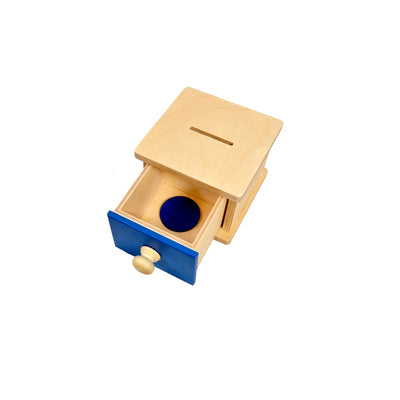
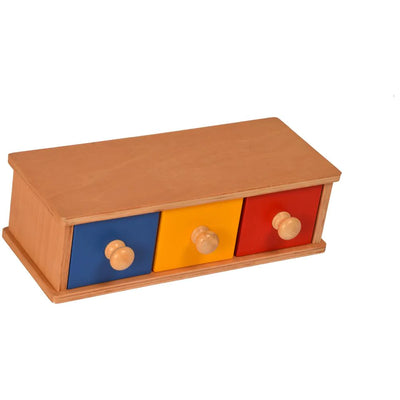
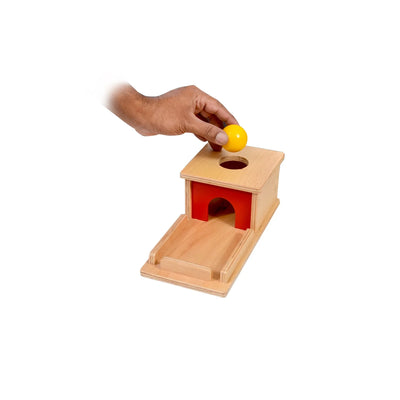
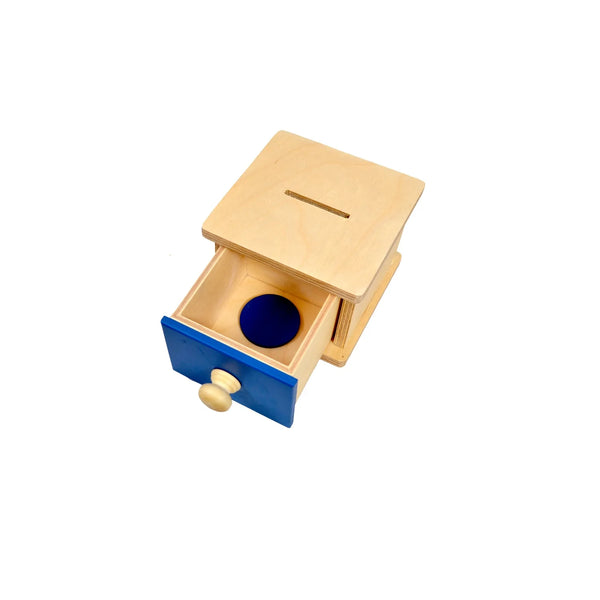
Montessori wooden toys for infants are meticulously designed playthings crafted from natural wood, focusing on simplicity, safety, and promoting self-directed learning. These toys, often single-purpose and aesthetically pleasing, are tailored to support specific developmental milestones, encouraging concentration, problem-solving, and independence from a very young age. Indian parents appreciate their timeless quality and educational value, often passed down through generations.
Safety and Durability: A Parent's Primary Concern
For new parents, especially in bustling Indian homes where little hands might explore every nook, safety is paramount. High-quality wooden toys are inherently durable, resisting breakage into small, hazardous pieces unlike many plastic counterparts. Research by organizations like the American Academy of Pediatrics (AAP) consistently emphasizes the importance of non-toxic, safe materials for infant products. SkilloToys ensures all its wooden offerings meet stringent safety standards, free from BPA, phthalates, and lead.
Beyond material safety, the robust construction of wooden toys means they can withstand constant dropping, chewing, and the enthusiastic exploration typical of a baby's first year. This durability not only offers peace of mind but also represents a sustainable investment, avoiding the need for frequent replacements. Grandparents often marvel at the strength of these traditional toys, reminiscent of their own childhood playthings.
Engaging the Senses: Touch, Sight, Sound
Babies learn by experiencing the world through their senses. Wooden toys, with their varied textures – smooth, grainy, cool, warm – provide rich tactile input that plastic cannot replicate. A baby grasping a polished wooden rattle feels the natural grain, the solid weight, and hears a gentle, natural sound, stimulating multiple senses simultaneously. This sensory engagement is crucial for developing neural connections in the brain.
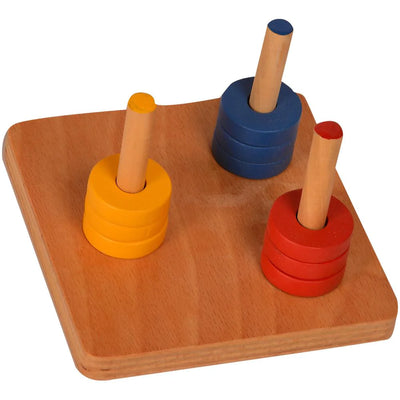
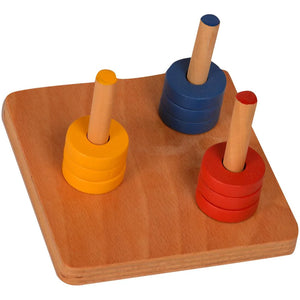
Maria Montessori, a pioneer in early childhood education, advocated for natural materials that engage all senses, understanding that children learn best through direct experience. The simplicity of a wooden stacking ring, for example, allows a baby to focus on its form, weight, and the satisfying clunk it makes when dropped, rather than being distracted by flashing lights or complex sounds. This focus fosters deeper concentration and observational skills from the earliest months.
Fostering Early Development: Fine Motor and Cognitive Skills
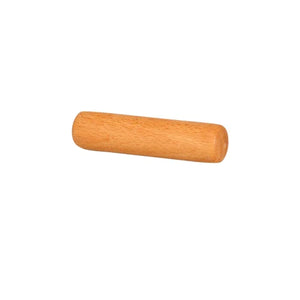
The first year is a whirlwind of developmental milestones, from grasping and reaching to sitting and crawling. Wooden toys are perfectly designed to support these critical stages. A wooden teether helps soothe gums while strengthening jaw muscles, and a simple wooden grasping toy, like a sphere on a dowel, refines the pincer grasp. As a baby progresses to 6-12 months, wooden stacking toys or simple wooden puzzles challenge their fine motor skills and hand-eye coordination.
Unlike electronic toys that 'do' the playing, simple wooden toys for babies demand active participation, encouraging problem-solving and critical thinking. When a wooden block tower topples, the baby learns about gravity and spatial relationships through direct experimentation. This 'active learning' approach is vital; studies indicate that children who engage with open-ended toys develop stronger cognitive flexibility and imaginative play skills. This is a subtle yet profound benefit that many modern parents might overlook.
Choosing Safe Wooden Toys for Your Baby (0-12 Months)
When selecting safe wooden toys 0-12 months, Indian parents should prioritize a few key aspects to ensure the best for their little ones. With an increasing focus on child welfare and reducing child deaths, as highlighted by UNICEF's reports on India's progress, every parental choice towards a safer environment counts.
Look for Natural, Non-Toxic Finishes
Always opt for wooden toys finished with natural oils (like beeswax or linseed oil), water-based paints, or no finish at all. This ensures that even when your baby inevitably puts the toy in their mouth – a crucial part of infant exploration – they are not exposed to harmful chemicals. Many modern Indian brands, including SkilloToys, are committed to using child-safe, non-toxic finishes that meet international safety standards.
Appropriate Size and Weight
For infants, ensure the toys are not too small (to avoid choking hazards) or too large and heavy (making them difficult to manipulate). For babies just learning to grasp, a lightweight wooden rattle or a wooden ring is ideal. As they grow, slightly heavier blocks or stackers can provide good proprioceptive input, helping them understand their body in space. Always follow age recommendations but also observe your baby's individual abilities.
Simple, Open-Ended Designs
The beauty of Montessori wooden toys lies in their simplicity. They don't have flashing lights or pre-recorded sounds. Instead, they encourage the baby to create their own play experience. A set of plain wooden blocks, for instance, can be anything from a tower to a train or even a 'roti' for a budding chef. This open-endedness fuels creativity and allows the toy to grow with the child, offering new possibilities at different developmental stages.
Beyond Play: The Eco-Friendly & Sustainable Choice
Choosing eco-friendly baby toys, specifically those made from sustainably sourced wood, extends the benefits beyond your child's immediate development to their future environment. In a country like India, with its rich heritage of natural craftsmanship, embracing wooden toys connects us to sustainable practices and reduces reliance on plastic.
Wooden toys are biodegradable, renewable, and often produced with a smaller carbon footprint than plastic alternatives. By investing in these durable pieces, you're not only providing your child with a superior play experience but also teaching a subtle lesson about environmental responsibility. This choice aligns perfectly with the growing consciousness among Indian parents to make thoughtful, sustainable decisions for their family's well-being and the planet's health.
The timeless appeal of wooden toys also means they can be cherished for years, passed down to younger siblings or cousins, becoming treasured family heirlooms rather than disposable items. This inherent sustainability resonates deeply with the values often found in joint family setups, where resources are shared and cherished.
Making conscious choices for your baby's first year sets a powerful precedent. By choosing Montessori wooden toys, you're not just buying a plaything; you're investing in a foundation of safety, natural learning, and environmental mindfulness. Consider adding a beautiful wooden rattle or a simple set of wooden stacking rings to your baby's collection today. Observe how your little one engages, exploring the textures and forms, building not just towers, but confidence and critical thinking, one block at a time. It's a simple choice that yields profound developmental dividends.