Wooden Toys for Kids: First Year Developmental Guide (0-12 Months)
Choosing the right wooden toys for kids during their crucial first year is a profound investment in their development. Research consistently shows that purposeful play with well-designed materials supports critical milestones, laying a strong foundation for a child's future learning. This guide helps new Indian parents select Montessori wooden toys tailored for each stage of their baby's journey from 0 to 12 months, ensuring every play moment is enriching and aligned with natural growth.
Montessori wooden toys for infants are simple, natural playthings crafted from wood, meticulously designed to isolate specific learning concepts and encourage independent exploration from birth. This matters immensely because it allows a baby to focus without overwhelming distractions, fostering concentration and intrinsic motivation. Indian parents can confidently introduce these toys, knowing they support a child's innate drive to learn and explore their world.
Montessori Wooden Toys: The Foundation of Early Learning (0-3 Months)
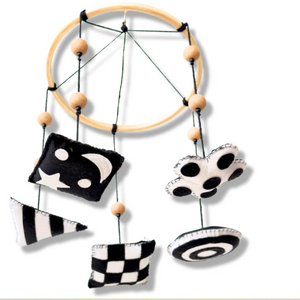
In the initial months, a newborn's world is primarily sensory. Their vision is developing, and they are learning to focus and track objects. Child development experts agree that high-contrast visual stimuli and gentle sounds are perfect for this stage.
For babies aged 0-3 months, think about visual engagement. Lightweight, gentle wooden rattles, often in contrasting colours, can be introduced to stimulate hearing and initial grasping reflexes. Montessori mobiles, hung above their cot, offer crucial visual tracking practice. These aren't just toys; they are tools that aid in developing ocular muscles and the ability to concentrate. Imagine a new parent in Bengaluru watching their tiny baby, eyes wide, following the slow, deliberate movement of a wooden mobile – a moment of pure, focused engagement.
Developing Intentional Grasp and Hand-Eye Coordination (3-6 Months)
Around 3-6 months, a baby's movements become more intentional. They start reaching, grasping, and bringing objects to their mouth – a vital part of sensory exploration. This is when baby wooden toys that fit perfectly into small hands become invaluable.
Wooden grasping beads and interlocking discs are excellent for this period. They are designed for easy handling, allowing babies to practice their grip, transfer objects from one hand to another, and explore textures with their mouths. This hand-to-mouth exploration is crucial for oral development and understanding object properties. The satisfying clunk of wooden beads connecting or the smooth feel of a disc provides rich sensory input that plastic toys often lack, supporting fine motor development. The Indian Academy of Pediatrics emphasizes the importance of these tactile experiences for cognitive growth.
Explore SkilloToys' collection of Montessori wooden grasping toys to find perfect options for this stage.
From Sitting to Exploring: Early Problem-Solving (6-9 Months)
As babies near six months, they often begin to sit unassisted and explore their environment more actively. This phase introduces early problem-solving and an understanding of object permanence. Simple, yet engaging, developmental wooden toys are key.
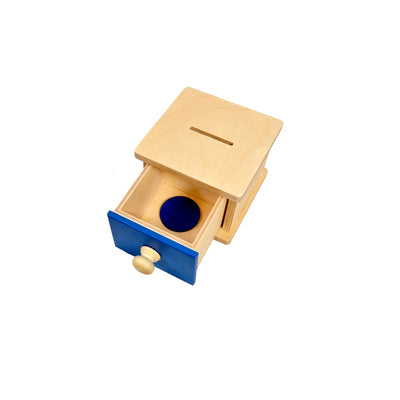
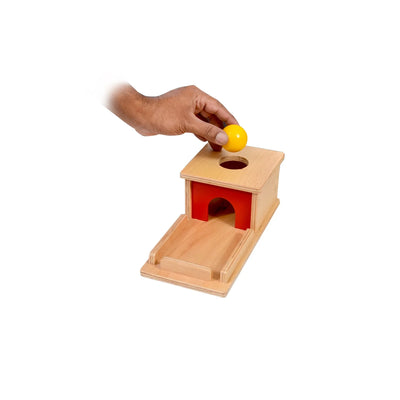
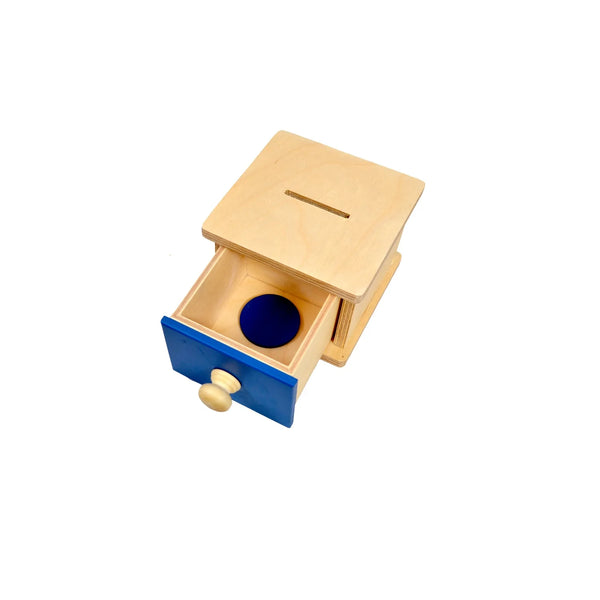
Rolling cylinders or balls made of wood encourage pushing, reaching, and eventually, crawling. An object permanence box with a wooden ball or coin introduces the concept that an object still exists even when out of sight, a crucial cognitive milestone. For instance, a grandparent observing their 7-month-old grandchild in a Delhi apartment delightedly dropping a wooden ball into a box and finding it again is witnessing the early stages of logical thinking unfold. These simple interactions are far more powerful than complex electronic gadgets.
Cruising Towards Independence: Fine Motor & Gross Motor Skills (9-12 Months)
The last quarter of the first year is a whirlwind of movement and discovery. Babies are typically crawling, pulling themselves up, and even cruising along furniture. Their fine motor skills are becoming more refined, and their understanding of cause and effect deepens. This is when the best wooden toys for infants India offers truly shine.
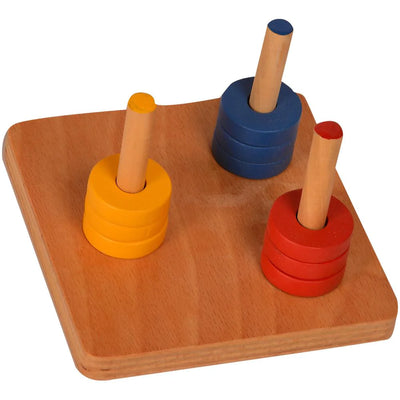
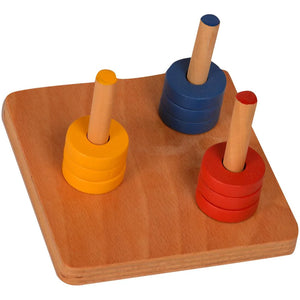
Wooden stacking rings, shape sorters with simple geometric forms, and pull-along toys support both fine and gross motor development. Stacking rings help with hand-eye coordination, sequencing, and understanding size relationships. A pull-along animal encourages a baby to take those first tentative steps, promoting balance and coordination. NCERT's early childhood education framework highlights how such self-directed play with tangible objects is fundamental to a child's holistic growth. These toys empower a child to interact with their world actively, fostering confidence and independence. Visit SkilloToys.com for our complete range of Montessori learning materials, perfectly suited for these milestones.
The Enduring Value of Wooden Toys for Ages 0-12 Months
Investing in wooden toys by age 0-12 months means choosing durable, sustainable, and developmentally appropriate tools that grow with your child. Unlike fleeting plastic toys, quality wooden toys become cherished heirlooms, often passed down through generations in Indian families. They offer timeless appeal and a natural connection to the world, free from distracting lights, sounds, and batteries.
The simplicity of Montessori wooden toys encourages children to be the active agents in their play, using their imagination and problem-solving skills. This focus on intrinsic engagement, rather than passive reception of stimuli, is a key tenet of the Montessori philosophy and critical for fostering a love of learning from the very beginning. As UNICEF reports on India's progress in child development, early, purposeful investment in a child's environment, including their playthings, is consistently identified as crucial for India's future.