Benefits of Early Childhood Education: Science of Lifelong Gains
Investing in quality early childhood care and education (ECCE) fundamentally reshapes a child's entire life trajectory, yielding significant benefits of early childhood education science across cognitive, social-emotional, health, and even economic domains. Scientific research, including insights highlighted by UNESCO, confirms that these early years build the foundational architecture of the brain, leading to profound and lasting advantages from childhood through adulthood.
Quality Early Childhood Care and Education (ECCE) encompasses comprehensive programs designed to nurture a child's holistic development from birth to age eight, focusing on their physical, social, emotional, and intellectual growth. This matters because it provides a rich, stimulating environment crucial for optimal brain development, laying the groundwork for future learning and well-being. Indian parents can actively seek out programs and home environments that prioritize child-led exploration and hands-on learning, like the Montessori method.
Early Childhood Education's Lifelong Benefits: A Holistic View
The argument for investing in a child's earliest years isn't just anecdotal; it's deeply rooted in neuroscientific evidence. Early brain development is a period of intense plasticity, with neural connections forming at an astonishing rate. By age five, a child's brain has reached about 85% of its adult size, and the foundational wiring for learning, behaviour, and health is largely established.
This critical window means that a stimulating, nurturing environment in a child's early years, often found in quality ECCE, directly shapes these neural pathways. Cognitive benefits manifest as stronger problem-solving skills, enhanced language acquisition, and a lifelong curiosity. Social-emotional benefits include better self-regulation, empathy, and improved social interactions – skills essential for navigating complex family dynamics and the competitive school environment common in India.
ECCE Impact Research in India: Beyond Academics
The long-term effects of early learning extend far beyond the classroom. Studies globally and in India indicate that children who experience quality ECCE are less likely to experience chronic diseases, have better mental health outcomes, and are more likely to lead healthier lifestyles as adults. This is partly due to the development of executive functions – planning, impulse control, and working memory – which are nurtured in high-quality early learning environments.
For parents in Bengaluru worried about emerging threats like air pollution affecting child brain development, building a strong cognitive and physical foundation through ECCE becomes even more crucial. While we cannot control all external factors, providing enriching early experiences equips children with greater resilience. Furthermore, the economic impact is undeniable: a Harvard Center on Developing Child study estimates that for every rupee invested in quality early childhood programs, society sees a return of Rs. 4 to Rs. 9 through increased tax revenues and reduced social costs later in life.
The Science of Early Intervention Benefits: Closing Gaps for a Brighter Future
The power of early intervention cannot be overstated. For children who face developmental delays or come from challenging socio-economic backgrounds, quality ECCE acts as a powerful equaliser. Unicef's 'Early Moments Matter' campaign underscores that every child deserves a strong start, and research consistently shows that interventions during the first few years can significantly narrow achievement gaps before they become entrenched.
For example, models like Rocket Learning in India leverage accessible technology to bring early education to remote communities, demonstrating how scalable interventions can deliver science-backed benefits. This kind of focused, early support can literally rewire a child's trajectory, improving academic success, future employment prospects, and civic engagement, fostering a generation of contributing citizens.
Montessori Lifelong Development: Nurturing Innate Potential
The Montessori method, pioneered by Dr. Maria Montessori, stands as a prime example of high-quality ECCE rooted in observation and scientific understanding of child development. It aligns perfectly with the research on Montessori lifelong development by creating a 'prepared environment' where children from 18 months to six years are free to explore and learn at their own pace, fostering intrinsic motivation and deep concentration.
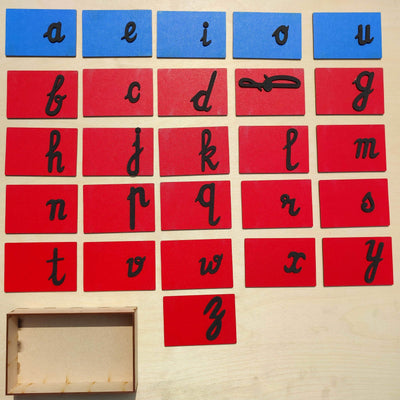
Montessori materials, like the Pink Tower for understanding dimensions or Sandpaper Letters for phonetic awareness, aren't just toys; they are carefully designed tools that cater to specific developmental stages. This hands-on, self-correcting approach cultivates independence, problem-solving abilities, and a profound respect for learning that extends well beyond childhood. The structured freedom allows children to develop self-discipline and an orderly mind, traits invaluable for navigating future academic pressures and professional life in India.
Practical Application for Indian Parents
As parents in bustling cities like Bengaluru, or in the comforting embrace of a joint family home, you have the power to infuse your child's early years with enriching experiences. Observe your child, like 3-year-old Rohan in his Chennai home, who is endlessly curious about stacking blocks or sorting grains with his dadi. This isn't just play; it's the foundation of mathematical and practical life skills.
Instead of solely focusing on rote learning for future school admissions, consider how play with open-ended Montessori wooden puzzles or activities involving water pouring (a practical life skill) strengthens executive functions. Tonight, during dinner, ask your 4-year-old to describe their day using three new words. These simple, everyday interactions, when consistently applied, reinforce the incredible science of early intervention benefits and lay the groundwork for a truly flourishing life.