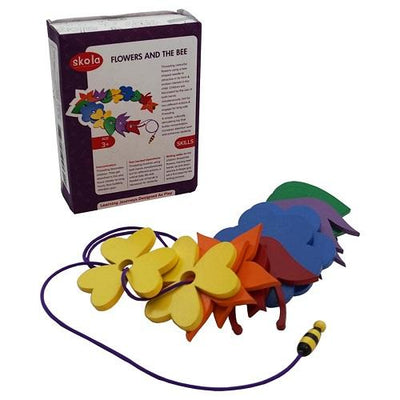
Child Brain Development Ages: Four Pivotal Stages Explained
Understanding the science behind your child's growth is fascinating, and recent discoveries highlight critical windows. Research indicates that there are four pivotal ages in your child's brain development where significant changes occur, shaping their learning and potential for life. These insights provide curious Indian parents with a roadmap for supporting their child's cognitive journey effectively from infancy through adolescence.
Pivotal ages in brain development refer to specific periods when the brain undergoes rapid and distinct changes, making it particularly receptive to certain types of learning and environmental stimuli. This matters because experiences during these windows profoundly influence long-term cognitive abilities, emotional regulation, and social skills. Indian parents can leverage this knowledge to create enriching home environments and choose educational tools that align with their child's developmental needs.
What are the Four Pivotal Ages of Child Brain Development?
Scientists and child development experts agree that while brain development is a continuous process, four stages stand out for their profound impact. These critical periods involve intense growth, pruning of neural connections, and the development of specialized functions. Recognizing these milestones empowers parents to provide targeted support, from the vibrant bustle of a joint family home in Bengaluru to quiet moments of focused play.
Understanding these brain development milestones is crucial for fostering a child's full potential. Each age range presents unique opportunities and challenges, making informed parenting all the more impactful. From a baby's first recognition of their Dadi's lullaby to a teenager grappling with board exam pressure, brain science underpins every interaction.
Birth to 2 Years: The Foundation of Sensory-Motor Intelligence
The first two years are a period of explosive growth, where your infant's brain more than doubles in size. This foundational stage is characterized by the development of sensory processing and motor skills, forming the bedrock for all future learning. Research shows that infants are wired to absorb everything, from the aromas of traditional Indian spices to the touch of different textures.
During this period, children learn through their senses and movement, making experiences like crawling on a soft rug or stacking colourful blocks incredibly important. Maria Montessori emphasized this sensitive period for order and movement, advocating for environments rich in tactile and manipulable objects. Studies indicate that early sensory experiences are vital for developing strong neural pathways.
Providing safe, stimulating Montessori materials that encourage exploration – like rattles, soft balls, and stacking rings – supports this intense period of brain development. It’s right to play, as UNICEF highlights, and structured free play helps children explore their world actively. Even simple interactions like Peek-a-boo or singing rhymes with grandparents contribute significantly to cognitive and emotional bonding.
Ages 3-6: Nurturing the Absorbent Mind
Between three and six years, children possess what Maria Montessori termed the 'Absorbent Mind,' a remarkable capacity to effortlessly soak up knowledge from their environment. This is a crucial window for language acquisition, early numeracy, and the development of social skills. The brain is rapidly forming connections related to memory, attention, and problem-solving.
During this stage, children begin to understand complex concepts and develop a sense of independence. They are incredibly curious, asking 'why?' incessantly, and learning through hands-on activities is paramount. Montessori age-specific learning, with materials like the Pink Tower or Sandpaper Letters, directly caters to this absorbent capacity, building foundational academic skills naturally.
This is also when imaginative play flourishes, allowing children to process emotions and social dynamics, perhaps enacting scenarios from their favourite festivals. The rich narrative traditions in Indian homes provide fertile ground for language development. Engaging with age-appropriate practical life materials helps refine fine motor skills and concentration, preparing them for more complex tasks ahead.
Ages 7-12: The Rise of Reasoning and Social Cognition
Middle childhood marks a significant shift as the brain continues to mature, enhancing logical reasoning, critical thinking, and social understanding. Children aged 7-12 years begin to think more abstractly and can engage in more complex problem-solving. They become more aware of social hierarchies and group dynamics, often navigating friendships within their school and neighbourhood communities.
The prefrontal cortex, responsible for executive functions like planning and decision-making, continues its development during these years. This makes it an ideal time for engaging children in collaborative projects, puzzles, and scientific explorations. Educational systems, including those in India, often introduce more formal learning during this period, requiring strong foundational cognitive skills.
Encouraging independent research, group activities, and discussions helps refine their reasoning abilities. Activities that involve strategic thinking, like traditional Indian board games or building elaborate constructions, are highly beneficial. Providing access to Montessori math materials and science sets can fuel their burgeoning curiosity and analytical minds.
Ages 13-18: Identity Formation and Abstract Thinking
Adolescence is the final pivotal stage of brain development, characterized by significant remodelling and specialization, particularly in areas related to judgment, impulse control, and emotional regulation. Teenagers develop a deeper capacity for abstract thought, introspection, and the formation of their identity. This is a complex period, often marked by emotional intensity and a search for independence.
The brain's reward system is highly active, influencing decision-making and risk-taking behaviours. Parental guidance and open communication remain crucial, even as teenagers seek greater autonomy. This stage involves refining the ability to consider multiple perspectives and engage in complex ethical reasoning, skills essential for navigating the world.
Supporting their interests, encouraging constructive debate, and providing opportunities for responsible decision-making are key. For instance, involving them in family discussions about community service or financial planning can be incredibly beneficial. Ensuring they maintain a balanced diet and manage stress is vital, especially given the academic pressures often experienced by Indian adolescents.
Why Montessori Aligns with Brain Development Milestones in India
Montessori education is intrinsically designed to align with the brain's natural developmental trajectory, making it an ideal approach for Indian children. Dr. Maria Montessori observed sensitive periods – windows of intense interest and ability – that directly correspond to these pivotal brain development ages. This method provides carefully prepared environments and age-specific learning materials that cater precisely to what the child's brain is ready to absorb.
For instance, the emphasis on sensory exploration in early childhood directly nurtures neural connections during the 0-2 year phase. The freedom to choose work and explore concepts independently in the 3-6 year range empowers the absorbent mind, fostering concentration and intrinsic motivation. Furthermore, the focus on practical life skills builds foundational independence and problem-solving, skills that are highly valued in Indian households, whether in a bustling joint family or a nuclear setup in Bengaluru.
Amidst growing concerns like air pollution emerging as a threat to child brain development, as doctors warn and parents worry, providing a controlled, enriching learning environment becomes even more critical. Montessori classrooms and home setups offer a sanctuary for focused development. By understanding these pivotal ages, Indian parents can intentionally select educational toys and experiences that foster optimal brain growth, supporting their child's unique journey towards unlocking their full potential.
- There are four pivotal ages (0-2, 3-6, 7-12, 13-18 years) where child brain development undergoes significant transformations.
- Early childhood (0-2 years) is critical for sensory-motor development and forms the foundation for all future learning.
- The preschool years (3-6 years) feature the 'Absorbent Mind,' making children highly receptive to language and foundational skills.
- Middle childhood (7-12 years) is characterized by the development of logical reasoning and enhanced social cognition.
- Adolescence (13-18 years) involves significant brain remodelling, identity formation, and abstract thinking.
- Montessori education naturally aligns with these brain development milestones by providing age-appropriate, hands-on learning experiences.
What are the four pivotal ages of child brain development?
The four pivotal ages of child brain development are generally recognized as early childhood (0-2 years), preschool (3-6 years), middle childhood (7-12 years), and adolescence (13-18 years). Each stage involves distinct cognitive and socio-emotional advancements crucial for overall growth.
How does Montessori education support brain development milestones in India?
Montessori education directly supports brain development milestones by offering age-appropriate, hands-on materials that cater to specific sensitive periods. This method fosters independent exploration and intrinsic motivation, crucial for optimal brain growth, especially within the unique Indian family context.
Are early childhood experiences truly critical for a child's brain development?
Yes, early childhood experiences are profoundly critical for a child's brain development, as this period involves rapid synaptic growth and pruning. Rich, stimulating environments and responsive caregiving lay the foundational neural pathways for future learning, emotional regulation, and cognitive skills.
How can Indian parents protect their child's developing brain from environmental threats?
Indian parents can protect their child's developing brain by ensuring a nutrient-rich diet, promoting regular outdoor play, and minimizing exposure to environmental pollutants. Limiting screen time and fostering strong emotional bonds also significantly contribute to healthy brain development and resilience.
What role do educational toys play in nurturing a child's brain at different ages?
Educational toys play a vital role in nurturing a child's brain by providing tools for exploration, problem-solving, and skill acquisition tailored to their developmental stage. For instance, sensory materials aid infants, while puzzles and constructive sets benefit older children, enhancing cognitive and motor skills.