Educational Toys: Building Focus Through Neuroscience
When a child meticulously stacks a tower of blocks or carefully threads beads, they aren't just playing; they are sculpting their brain's ability to focus. Research shows that engaging with the right educational toys during crucial developmental windows fundamentally rewires the brain for sustained attention, a core component of the 'seven-point IQ opportunity' highlighted for Indian children.
This isn't just about keeping kids busy; it's about activating specific neural pathways. For many Indian parents, the concern about declining attention spans in a world of digital distractions is real. This exploration into the neuroscience behind sustained attention reveals how thoughtfully designed play can be a powerful antidote, fostering deep concentration and cognitive resilience.
The Brain's Focus Circuit: What is Sustained Attention?
Sustained attention is the ability to maintain a consistent behavioral response during continuous and repetitive activity. It's the cognitive function that allows a 4-year-old, like little Rohan from Bengaluru, to sit patiently and solve a complex puzzle for ten minutes straight, even amidst the lively chatter of his joint family home. This matters because a strong capacity for sustained attention underpins all higher-level learning, problem-solving, and emotional regulation.
Indian parents can actively nurture this by providing opportunities for uninterrupted, focused engagement. The prefrontal cortex, located at the front of the brain, acts as the command center for these executive functions, including attention. Studies indicate that intentional, repeated engagement with tasks that require focus helps myelinate (insulate) and strengthen these neural connections, making them more efficient.
How Montessori Concentration Builds Brain Development Attention
Maria Montessori, a pioneer in child education, observed that children possess an innate drive for purposeful work and an 'absorbent mind' capable of deep concentration. She understood intuitively what neuroscience confirms today: active, self-directed exploration with multi-sensory materials is the most effective way to build brain development attention.
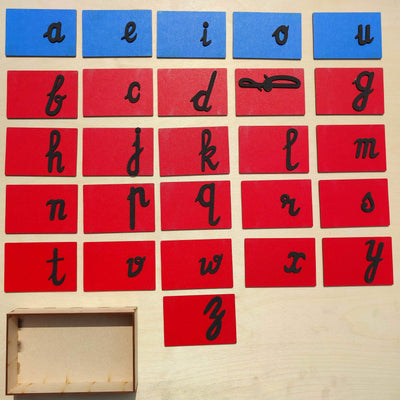
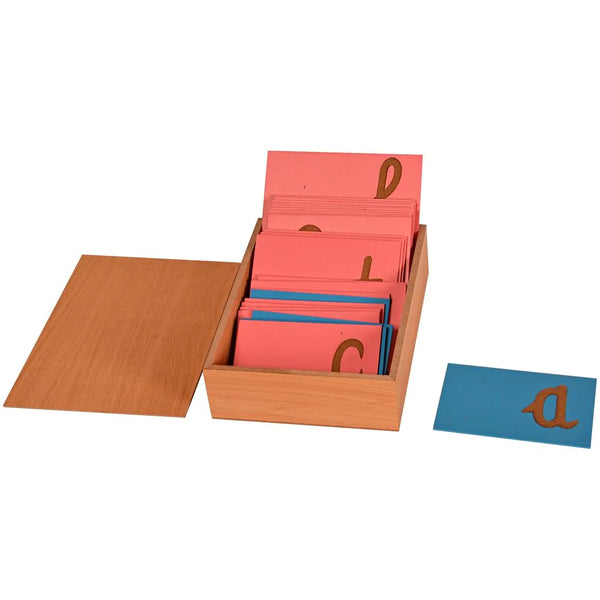
Unlike passive screen engagement that often overloads sensory input without demanding deep cognitive processing, Montessori materials, such as the Pink Tower or Sandpaper Letters, are designed with a 'control of error.' This means the child can immediately tell if they've made a mistake and self-correct, fostering intrinsic motivation and extending periods of focused work. This feedback loop is crucial for dopamine regulation in the brain, which in turn supports the ability to sustain effort and attention.
The Neuroscience of Focus: Why Tangible Play Matters
When a child manipulates a wooden knobbed puzzle, their brain isn't just seeing and touching. It's actively processing shape, size, texture, and spatial relationships. This multi-sensory input fires neurons across different brain regions simultaneously, building rich, robust neural networks. The rhythmic, repetitive nature of many Montessori activities — like repeatedly fitting cylinders into their sockets — further reinforces these connections, laying down the neural architecture for stronger attention spans.
Child development experts agree that the early years are a period of immense synaptic pruning and strengthening. Every time a child engages in a focused task, the neural pathways involved in that focus are reinforced. Conversely, a lack of such opportunities means those pathways may not develop optimally, potentially leading to challenges with how to improve child focus later on.
Bridging the Gap: Educational Toys and the Indian Child's Focus
In the bustling environment of an Indian home, where distractions can range from family conversations to festival preparations, creating pockets of focused play is vital. Traditional games often relied on this — think of the intense concentration involved in 'goli' (marbles) or 'pachisi.' Modern educational toys, like those offered by SkilloToys, tap into this same deep engagement.
For example, a toddler in Chennai carefully sorting colored discs develops not just fine motor skills but also visual discrimination and pattern recognition, all while training their brain to stay on task. This contrasts sharply with the passive consumption of bright screens, which, as recent news on 'Bright screens, tired brains' highlights, can lead to mental fatigue without building sustained attention. Prioritizing open-ended, hands-on play is a tangible step towards nurturing a child's inherent 'IQ opportunity'.
Practical Steps: How to Improve Child Focus at Home
Parents can actively cultivate their child's focus by creating a 'prepared environment' at home. This doesn't require a dedicated classroom; it simply means having a few carefully chosen educational toys accessible at a time, rotated regularly to maintain interest. Offer choices but keep them limited to avoid overstimulation.
Observe your child during play. When they are deeply engaged, allow them uninterrupted time. Resist the urge to intervene or direct their play unless they ask for help. This respect for their concentration, a core Montessori principle, sends a powerful message to the child's brain: “This focused work is valuable.” Even simple activities like letting a 2-year-old help their grandparent sort vegetables for dinner can be a powerful lesson in attention.
Ultimately, sustained attention isn't just a mental discipline; it's a neurological skill physically built through focused, repetitive, self-directed engagement with tangible objects. By understanding the neuroscience behind how Montessori educational toys sculpt the brain for deep concentration, Indian parents are empowered to make informed choices that genuinely enhance their child's cognitive development and set them on a path for lifelong learning and success.