Fathers' Role in Child Development: A Scientific Boost
The role of fathers in child development is profoundly significant, offering unique contributions that extend far beyond traditional support. Research, underscored by insights from UNICEF, definitively shows that an actively involved father significantly boosts a child's cognitive, emotional, and social development, making them a crucial yet often underutilized resource.
Paternal involvement in child development refers to the quality and quantity of a father's direct and indirect engagement with his child, encompassing caregiving, play, discipline, and emotional support. This matters because a father's distinct interaction style enriches a child's developmental landscape. Indian parents can specifically encourage fathers to engage through daily activities and dedicated playtimes.
How Fathers Uniquely Shape Brain Development
A father's distinct style of play and interaction plays a fascinating role in shaping a child's developing brain. Unlike the often nurturing and verbally rich interactions mothers provide, fathers frequently engage in more stimulating, unpredictable, and physically active play, commonly known as 'rough-and-tumble' play.
This dynamic interaction, filled with tickles, chases, and playful wrestling, isn't just fun; it's a powerful developmental tool. It helps children learn critical executive functions, such as regulating emotions, understanding boundaries, assessing risks, and managing impulses. Neuroscience News recently highlighted how diverse early experiences boost brain growth, and father-led play provides precisely this kind of novel, challenging input.
For instance, when a child giggles through a mock chase with their Papa in a Bengaluru apartment, they are simultaneously learning self-control and resilience. They understand that while the play feels exhilaratingly risky, they are safe, developing a nuanced understanding of social cues and physical limits that builds stronger neural pathways for self-regulation.
Boosting Emotional Intelligence and Resilience
Beyond physical play, a father's emotional presence is a cornerstone for a child's emotional intelligence and resilience. Studies indicate that children with actively involved fathers demonstrate higher self-esteem, greater emotional security, and are better equipped to handle stress and challenges.
When a father in a joint family in Pune dedicates time to listen intently to his child's school woes or celebrates their small victories, he models empathy and validation. This consistent emotional availability builds a secure attachment, enabling the child to explore the world with confidence and to develop a robust sense of self.
This secure base is vital for navigating the academic pressures and social complexities prevalent in Indian schools, fostering children who are not just intelligent but also emotionally robust.
Expanding Cognitive and Linguistic Horizons
Fathers contribute significantly to a child's cognitive and language development through their distinct communication patterns. Research from institutions like the Harvard Center on the Developing Child points out that fathers often use a wider, more complex vocabulary, introducing children to new words and concepts that mothers might not use as frequently.
This exposure broadens a child's linguistic comprehension and expressive abilities. For a child in Chennai, engaging in conversation with their father about current events or a complex puzzle expands their understanding of the world beyond immediate family interactions. The Economic Times recently covered a US study on the power of laughter for brain development, and a father's playful communication, often laced with humour and novel questions, is a prime source of such cognitive stimulation.
Montessori Activities for Fathers: Play with Purpose
Engaging fathers with Montessori principles and educational toys can transform playtime into powerful learning opportunities. Maria Montessori emphasized observation and hands-on learning, and these methods are perfectly suited for father-child bonding that boosts development.
- Practical Life Activities: Fathers can involve children in everyday tasks like preparing a simple breakfast, watering plants, or helping to sort laundry. These activities develop fine motor skills, concentration, and a sense of responsibility. Imagine a father and his 3-year-old helping to wash vegetables for dinner, laughing as water splashes.
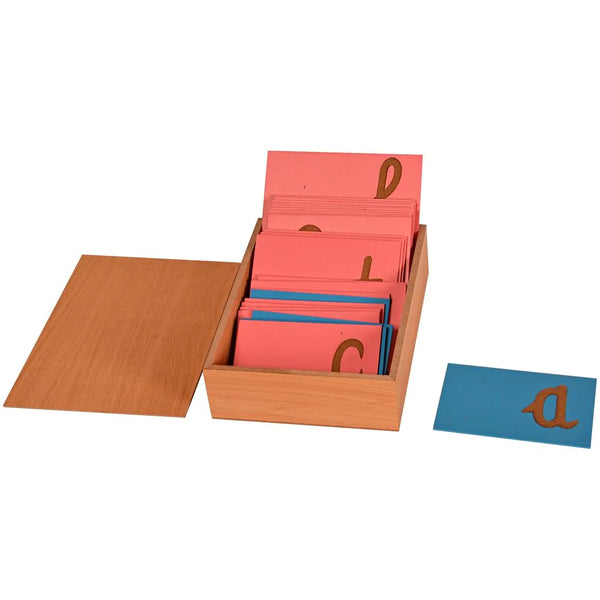
- Sensorial Exploration: Using materials like the Montessori Pink Tower or sandpaper letters available at SkilloToys.com encourages fathers to guide children through sensory discovery. Asking questions like, "Which block is heaviest?" or "Can you feel the rough letter 'A'?" sharpens observational skills and language acquisition.
- Building and Problem-Solving: Constructing intricate structures with wooden building blocks or working on a challenging puzzle together fosters spatial reasoning, critical thinking, and patience. This collaborative play is a fantastic way for fathers to model problem-solving strategies and encourage perseverance.
These activities are not merely about 'doing'; they are about engaged, purposeful interaction that leverages a father's unique style to create rich learning environments. The simple act of a father sitting with his child, truly present and guiding, becomes a profound lesson in focus and exploration.
The Uniqueness Test: Nurturing a Resilient Mind
The truly non-obvious insight here is not just that fathers play differently, but that this difference specifically cultivates a child's ability to navigate ambiguity and self-regulate under pressure. While maternal play often offers a safe, predictable scaffold for learning, paternal play introduces elements of 'positive stress' – challenges that are stimulating but not overwhelming.
This 'positive stress' from playful rough-housing or tackling a tricky engineering puzzle with Papa is crucial for developing the prefrontal cortex, the brain's executive control center. It teaches a child to respond flexibly, bounce back from minor setbacks, and adapt to changing situations – skills invaluable for coping with life's unpredictable moments, from schoolyard dynamics to future professional challenges.
Child development experts agree that a child thrives best with the rich, varied input from both parents. As the UNICEF report underscores, recognizing and actively leveraging the father's distinctive contribution is not just beneficial, it is essential for holistic growth. So, tonight, perhaps challenge your little one to build the tallest tower they can imagine using their SkilloToys blocks, and let Papa be the architect of both structures and self-reliance.