Home Environment Baby Brain Development: The Neuroscience
The quality of the home environment baby brain development profoundly influences brain architecture, with responsive everyday interactions literally wiring a child's cognitive, emotional, and social capacities. Research indicates that consistent, nurturing engagement from parents and caregivers strengthens neural pathways crucial for future learning and well-being. Indian parents can actively shape these connections through simple, intentional interactions.
The neuroscience of early development is the scientific study of how a baby's brain grows and organizes itself from conception through early childhood. This matters because the brain develops more rapidly in the first three years than at any other time, forming the foundational architecture for all future learning and behaviour. Indian parents can leverage this understanding to provide enriching experiences that maximize their child's potential.
The Power of Responsive Parental Interaction for Brain Development
Neuroscientists now understand that brain development isn't just about genetics; it's a dynamic process shaped by a baby's experiences. Central to this is what Harvard University's Center on the Developing Child calls 'serve and return' interactions. Think of it like a game of tennis: your baby 'serves' with a babble, a smile, or a reach, and you 'return' with a comforting word, a warm smile back, or by offering the desired object.
These seemingly simple exchanges are, in fact, complex neurological dances. Each 'serve and return' strengthens existing neural connections and forms new ones, particularly in areas responsible for language, problem-solving, and emotional regulation. Studies indicate that children who experience consistent, responsive interactions develop more robust neural networks, setting a strong foundation for lifelong learning.
For young Aanya in Bengaluru, whose parents actively respond to her every gurgle and gesture, these moments are building blocks. When her mother mirrors her expressions or names the objects she points to, Aanya isn't just learning words; she's learning how to connect, how to communicate, and how the world responds to her, which is crucial for her developing sense of self.
Crafting a Stimulating Home Environment for Baby's Growth
Creating a stimulating home environment for baby doesn't require an arsenal of expensive gadgets. Child development experts agree that the most powerful stimuli are readily available: human interaction, natural objects, and opportunities for exploration. For many Indian families, especially those in joint family setups, this rich environment is often inherent, with multiple caregivers providing diverse sensory and emotional input.
Consider the traditional Indian home: a child is exposed to a symphony of sounds, from the clanging of kitchen utensils during meal preparation to the rhythmic chants during a festival. They feel different textures from traditional clothes, hear multiple languages, and observe complex social dynamics. These varied experiences are invaluable, building a rich neural tapestry.
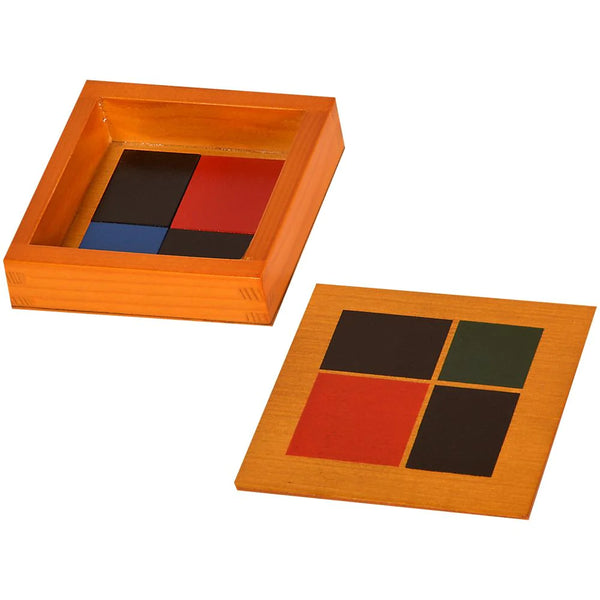
You can intentionally enhance this by creating a 'prepared environment,' a core Montessori principle. This means ensuring your child has access to safe, age-appropriate materials that encourage exploration and independence. A simple collection of wooden blocks, a sensory bin with rice and lentils, or even safe kitchen items can become powerful learning tools, fostering fine motor skills and cognitive development.
Montessori Principles for Early Childhood Home Learning
Maria Montessori's philosophy, deeply rooted in observing children, offers practical guidance for early childhood home learning. Her approach champions respect for the child, freedom within limits, and a prepared environment. For instance, rather than overwhelming a toddler like Rohan in a joint family in Pune with too many toys, providing a few well-chosen, purposeful materials allows for deeper concentration and engagement.
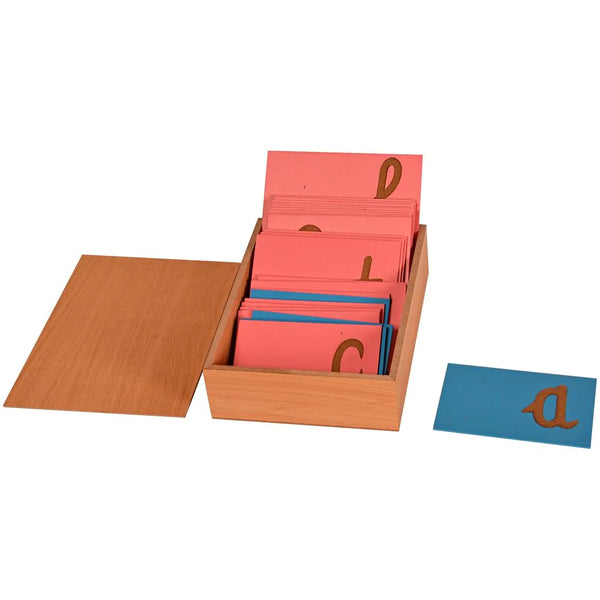
Montessori materials, often made from natural wood, engage multiple senses and have a built-in 'control of error' allowing children to self-correct. For instance, a Montessori Pink Tower helps a child understand dimension and order through touch and sight. This self-directed learning fosters problem-solving skills and builds a robust sense of accomplishment, key factors in neural development.
Even daily chores can become learning opportunities. Letting a 2-year-old help wipe a spill with a small cloth, or arranging chappatis on a plate, isn't just about practical life skills; it's about developing coordination, sequence, and purpose, which are all enriching for the developing brain. This hands-on engagement far surpasses the passive input of screens.
The Neuroscience of Joy: Laughter, Language, and Love
Beyond structured play and responsive interactions, the emotional climate of the home significantly impacts brain development. The current news context highlights that laughter is a 'hidden superpower' for a child's brain. When children experience joy and laughter, their brains release beneficial neurochemicals that reduce stress, enhance memory, and strengthen social bonds. A home filled with love and warmth is a powerful incubator for a healthy, resilient brain.
Think about the simple delight of a grandparent singing a lullaby, or the shared laughter during a family game of peek-a-boo. These moments, steeped in emotional connection, are literally building a child's capacity for happiness and social intelligence. The Indian tradition of storytelling, often passed down by Dadi or Nani, enriches language acquisition and ignites imagination, critical for cognitive flexibility.
Research published by Neuroscience News emphasizes how home visits and family support significantly boost growth and brain development. This underscores that a holistic approach, encompassing emotional security, rich language exposure, and engaging activities, creates the optimal conditions for your baby's brain to flourish. Your everyday interactions are your baby's most profound lessons.
Practical Actions for Indian Parents Tonight
You don't need to overhaul your entire home to become a neuroscience expert for your baby. Start small: during dinner tonight, truly listen and respond to your toddler's babbling, even if it's just 'Goo-goo.' Describe the food's texture and taste. Before bedtime, engage in a quick 'serve and return' game with a simple Montessori wooden rattle or a soft cloth. Remember, consistent, loving, and responsive interactions are the most potent brain-builders you possess.