Home Visits Boost Baby Brain: Early Intervention Science
Recent studies confirm that Home Visits Boost Growth and Brain Development in Babies by offering tailored support and expert guidance directly within the family's environment. These structured early intervention programs empower parents with specific strategies, fostering responsive interactions that are critical for robust neural pathway formation and comprehensive development in Indian infants.
A structured home visit is a targeted early intervention where trained professionals regularly visit families, often from birth through infancy, to deliver evidence-based developmental support. This matters because consistent, expert guidance during critical periods significantly shapes a child's brain architecture. Indian parents can implement these insights by understanding and integrating responsive care practices into daily routines.
The Neuroscience Behind Early Home Support
The developing brain is a marvel of biological engineering, rapidly forming billions of connections in the first few years of life. This intricate process, often termed 'brain architecture,' is profoundly influenced by a baby's early experiences and interactions. Research from institutions like the Harvard Center on the Developing Child emphasizes that responsive caregiving—the 'serve and return' interactions between a child and caregiver—is the primary driver of healthy brain development.
What's truly fascinating is how structured home visits amplify these natural processes. When a trained professional, such as an early childhood specialist or a child psychologist, visits a home, they don't just observe; they actively model and teach parents how to engage in specific, brain-building interactions. This consistent, guided input creates an enriched environment, directly impacting neural plasticity and the formation of robust cognitive, linguistic, and emotional pathways.
A study published in Pediatrics, for instance, demonstrated that children participating in home visiting programs showed significantly higher scores in cognitive development and language acquisition by 24 months compared to control groups. This isn't just anecdotal; it's a direct neural impact, showing how targeted support enhances the very structure and function of the infant brain, especially in areas like the prefrontal cortex responsible for executive functions, validating the impact of neuroscience of home visits.
Empowering Indian Parents: Guidance That Transforms
For Indian parents, navigating the myriad of advice from well-meaning relatives and online sources can be overwhelming. Structured home visiting programs cut through the noise, offering clear, evidence-based parental guidance programs tailored to each family's unique needs. This focused support moves beyond general platitudes like 'spend quality time' to concrete, actionable strategies for fostering baby brain development home support.
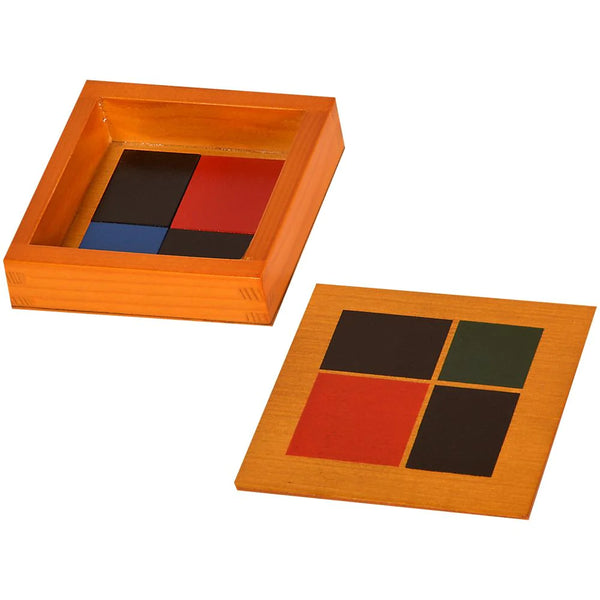
Imagine a new mother in Mumbai learning specific techniques from a home visitor on how to introduce a Montessori Pink Tower or even simple wooden blocks to her 18-month-old. The visitor might model how to encourage problem-solving as the child stacks, or how to label shapes and sizes to build vocabulary. This isn't just play; it's a guided developmental activity that stimulates fine motor skills, spatial reasoning, and language, all crucial for cognitive growth.
The non-obvious insight here is that the 'how' of interaction matters as much as the 'what'. A grandparent's loving chatter is wonderful, but a home visitor can show parents how to turn a simple mealtime into a language lesson, or how to respond to a baby's babble in a way that truly reinforces communication skills. These small, consistent changes, guided by expertise, accumulate to create significant developmental leaps.
The Indian Context: Bridging Tradition and Science
In India, where family structures are often multi-generational and cultural practices deeply rooted, early intervention programs India can be particularly effective when they bridge traditional wisdom with modern science. Many Indian homes already provide a rich tapestry of interactions, but structured visits can optimize these, ensuring developmental milestones are met with intentionality.
Consider the common practice of baby massage (malish) by grandmothers. While traditionally seen for bonding and physical comfort, a home visitor might explain the scientific benefits of this sensory input – proprioception – and suggest incorporating gentle verbal descriptions of body parts to enhance language development. This respectful integration makes scientific insights more accessible and acceptable within the family unit.
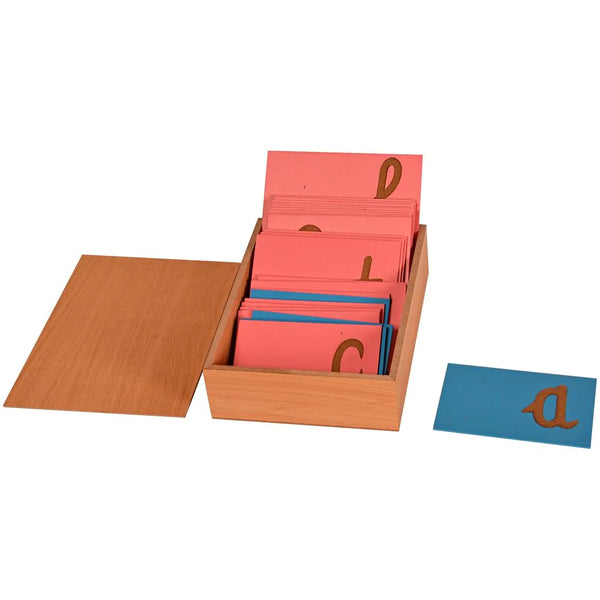
Moreover, for parents in bustling Bengaluru who might face unique pressures regarding early academic achievement, understanding the foundational importance of play-based learning—often demonstrated through simple Montessori-inspired activities—can shift perspectives. It highlights that true readiness for school stems from robust brain development nurtured in early, joyful interactions, not just rote memorization. Resources like Montessori Geometric Solids or a practical life set, when introduced with purpose, can become powerful tools in child development support programs.
The surprising truth is that while the 'Home Visits Boost Growth and Brain Development in Babies' narrative might sound like a new concept, it's fundamentally about harnessing the power of responsive relationships, guided by science. The most profound impact often comes not from expensive toys or elaborate setups, but from informed, consistent, and loving interaction right within your living room. Tonight, choose one simple interaction – like describing colours of vegetables at dinner or naming body parts during bath time – and engage with focused attention, knowing this responsive interaction is building your baby's magnificent brain architecture.