Laughter: Child Brain Development's Hidden Superpower
When you hear your child's infectious giggle, it's more than just a sweet sound; it's a powerful signal of healthy laughter child brain development in action. Recent research, notably a US study highlighted by The Economic Times, reveals that laughter isn't just a byproduct of happiness, but an active architect of a child's developing brain. This surprising insight shows how moments of pure joy and playful interaction are foundational to building resilient, intelligent minds.
Laughter is a complex neurological process involving multiple brain regions, including those responsible for emotion, motor control, and cognitive processing. It is a natural stress reducer and a powerful social connector. For Indian parents, understanding this science means recognising joyful play as a crucial, intentional part of their child's learning journey, not just a pastime.
The Science of Laughter in Children: Brain's Hidden Superpower
Studies indicate that the very act of laughing triggers a cascade of beneficial physiological and neurological responses. When a child bursts into laughter, their brain releases a cocktail of neurochemicals, including endorphins, dopamine, and oxytocin. Endorphins act as natural painkillers and mood elevators, while dopamine is crucial for motivation and reward-based learning. Oxytocin, often called the 'love hormone,' fosters bonding and social trust.
This biochemical symphony directly impacts brain architecture. For instance, the prefrontal cortex, vital for decision-making and problem-solving, shows increased activity during joyful interactions. Research from the Harvard Center on the Developing Child consistently emphasizes that positive, reciprocal 'serve and return' interactions, often punctuated by laughter, are fundamental for building healthy brain circuitry. These moments help prune less-used neural pathways and strengthen those critical for learning and emotional regulation.
Cognitive Benefits of Laughter: Sharpening Young Minds
The cognitive benefits of laughter extend far beyond a momentary feeling of fun. When a child engages in playful scenarios that lead to laughter, they are actively developing flexible thinking, creativity, and problem-solving skills. For example, during a game of make-believe where a cardboard box becomes a rocket to the moon, children are constantly processing new information, adapting to imaginary rules, and experimenting with social roles – all fueled by the joy and laughter that accompany such creative play.
Such playful learning helps children make novel connections between ideas and concepts. It's not uncommon to see a 4-year-old in Bengaluru giggling as they figure out how to stack wooden blocks in an unusual way, only for the tower to tumble and prompt more delighted laughter. This seemingly simple interaction teaches cause and effect, spatial reasoning, and resilience – learning to try again with a smile.
Emotional Development and Laughter: Building Resilience
Laughter plays an irreplaceable role in a child's emotional development and laughter. In the hustle and bustle of urban Indian life, children face various pressures, from school expectations to adapting to different social dynamics within a joint family. Laughter provides a powerful, natural mechanism for stress relief, helping to regulate emotions and build emotional resilience.
When children laugh, their bodies physically relax, easing tension. This physiological response trains their developing nervous system to better manage stress, offering a protective effect against potential anxieties. Child development experts agree that regular doses of joyful interaction equip children with a vital coping mechanism. A hearty laugh with a grandparent after a challenging day at school can instantly reset a child's emotional state, showing them a playful way to navigate difficulties.
Joyful Play Brain Development: The Montessori Way
At SkilloToys, we understand that joyful play brain development is not just about fun; it's about purpose-driven engagement. Maria Montessori's philosophy, emphasizing self-directed activity and learning through sensory exploration, naturally cultivates an environment ripe for genuine joy and laughter. Montessori materials, designed for independent discovery, often lead to moments of 'aha!' – followed by a delighted chuckle.
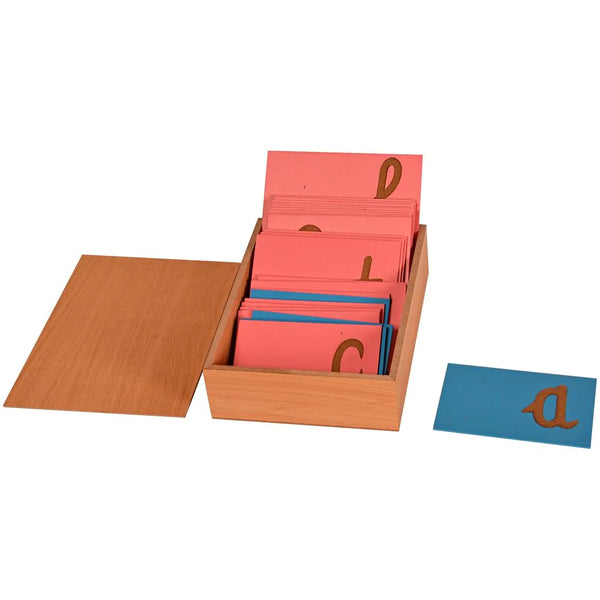
Consider the Pink Tower or Sandpaper Letters; children engage with them at their own pace, discovering patterns and mastering skills. The satisfaction of a successful placement or the recognition of a letter sound often brings a smile, a satisfied sigh, or even a small giggle. This intrinsic motivation, fostered by choice and concentration, generates a deep, authentic joy that fuels cognitive growth.
For parents observing their children playing with open-ended materials like our Montessori educational toys, the laughter you hear isn't random. It's a sign that their brain is actively processing, integrating, and thriving in a self-chosen, stimulating environment. Encouraging more Montessori play laughter means providing spaces and materials that invite curiosity and allow children to discover the world with genuine delight.
Ultimately, a child's laughter is a profound indicator of healthy brain development and a potent tool for nurturing their overall well-being. By embracing and actively fostering joyful, playful environments in our Indian homes, we are not just creating happy memories; we are actively sculpting resilient, emotionally intelligent, and cognitively robust young minds.