Neuroscience of Educational Toys: Shaping Brain Architecture
The neuroscience of educational toys definitively shows that engaging play is not merely entertainment but a fundamental driver of brain development. It actively shapes a child's neural architecture, establishing the foundational pathways essential for lifelong learning, problem-solving, and adaptability. This understanding empowers Indian parents, from Bengaluru to Bhubaneswar, to make informed choices that profoundly impact their child's cognitive future, aligning with the national imperative for early investment in children as the key to India's future, as highlighted by The Hindu.
What is brain architecture? Brain architecture is the intricate network of neural connections that forms the foundation for all cognitive functions, emotions, and behaviors. This matters because robust architecture ensures optimal learning capacity. Indian parents can proactively support this by providing a stimulating environment with quality educational toys.
Play and Brain Architecture: Building Neural Highways
Research conclusively demonstrates that early childhood experiences, especially those involving play with educational toys, are directly responsible for wiring the brain. When a child engages with a puzzle, builds a tower, or sorts objects, countless neural connections, or synapses, are formed and strengthened. Studies indicate that up to 85% of a child's brain development occurs by age three, with billions of synapses forming every second during this critical period. This rapid development underscores the profound impact of high-quality early interactions.
Think of it as constructing a superhighway system within the brain. The more diverse and engaging the play, the more intricate and efficient these 'highways' become. For Indian children, navigating a complex joint family structure or learning multiple languages naturally reinforces these pathways, and targeted play adds another layer of sophisticated development. This early exposure to varied stimuli through play helps build a resilient cognitive framework, vital for navigating the demanding academic landscape in India.
Educational Toys Brain Development: A Symphony of Synapses
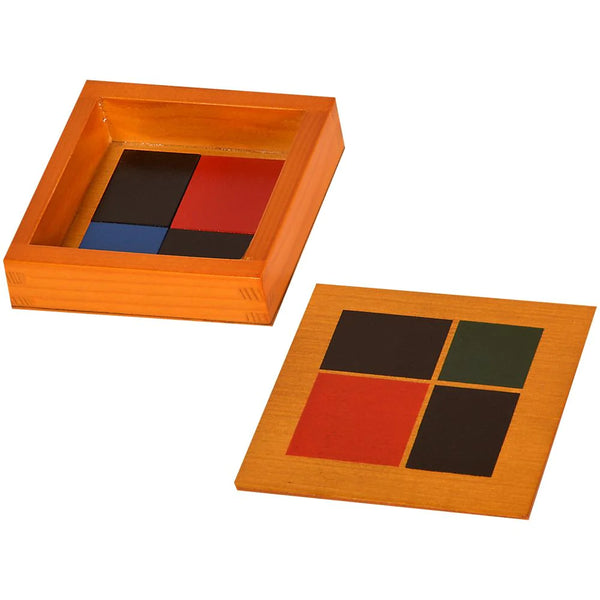
Educational toys are meticulously designed to stimulate specific brain regions and cognitive processes. For instance, Montessori sensorial materials like the Pink Tower or Knobbed Cylinders, found in many Indian homes and schools, refine a child's visual discrimination and fine motor skills. These activities enhance the parietal lobe, responsible for processing sensory information, and the motor cortex, coordinating movement.
Furthermore, block play or construction sets significantly boost spatial reasoning and problem-solving abilities, engaging the prefrontal cortex – the brain's executive control center. This deliberate engagement with structured materials creates a symphony of synaptic activity, leading to denser, more efficient neural networks. Child development experts agree that such focused play provides the essential 'nutrients' for optimal brain growth, fostering cognitive resilience against potential environmental stressors, a growing concern with air pollution threats to child brain development.
Montessori Brain Development: Nurturing Natural Curiosity
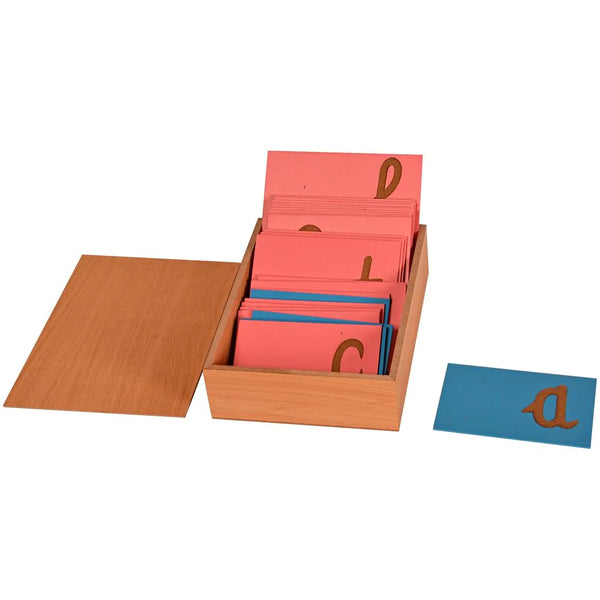
Maria Montessori's philosophy, deeply rooted in observing children's natural learning patterns, inherently aligns with modern neuroscience. Montessori materials are not just toys; they are tools designed to facilitate self-directed discovery and concentration, key elements for robust brain development. For example, using Montessori sandpaper letters activates multiple senses – sight, touch, and hearing – creating stronger memory traces in the brain than visual learning alone.
This multi-sensory approach strengthens neural pathways associated with language acquisition and literacy, making learning more intuitive and lasting. In Indian households, where children often learn new languages from grandparents or through festivals, Montessori's method complements this rich linguistic environment, making complex learning feel like engaging play rather than academic pressure.
Lifelong Learning Toys: Investing in Future Success
The benefits of early, scientifically-informed play extend far beyond childhood, forming the bedrock for what we call 'lifelong learning.' Toys that encourage critical thinking, creativity, and adaptability – qualities highly valued in today's rapidly evolving world – cultivate a 'growth mindset' in children. This mindset, characterized by a belief in one's ability to develop skills through dedication and hard work, is crucial for navigating academic challenges and professional careers.
The emerging interest in science during early childhood, as noted in publications like Nature, validates the efficacy of scientific educational toys. These toys aren't just for future scientists; they teach every child how to observe, question, experiment, and analyze – fundamental skills for any field. By providing these experiences, Indian parents are not just buying toys; they are making a profound investment in their child's capacity for continuous learning and innovation.
- Educational toys directly enhance brain architecture by stimulating synapse formation.
- Montessori play fosters neural pathways critical for executive functions and learning.
- Early childhood experiences with specific toys influence lifelong cognitive abilities.
- The brain's plasticity in early years makes purposeful play essential for development.
- Active engagement with materials like sensorial toys strengthens multiple brain regions.
- Scientific play helps mitigate negative environmental impacts on child brain development.
How do educational toys specifically affect a child's brain development?
Educational toys profoundly affect a child's brain development by stimulating specific neural pathways. They encourage the formation of synapses, enhance cognitive processes like memory and attention, and develop executive functions such as planning and problem-solving through hands-on interaction.
What is brain architecture, and how does play shape it?
Brain architecture refers to the intricate network of neural connections formed in the brain, which lays the foundation for all future learning and behavior. Play, especially with educational toys, shapes this architecture by providing experiences that reinforce and refine these connections, making them stronger and more efficient.
Are Montessori toys particularly good for brain development?
Yes, Montessori toys are specifically designed to align with natural brain development principles. They promote self-directed learning, fine motor skill development, and sensory exploration, which are crucial for building robust neural networks and fostering independent cognitive growth.
At what age is the brain most receptive to learning through play?
The brain is remarkably receptive to learning through play throughout early childhood, with the most rapid development occurring from birth to age six. During this period, brain plasticity is at its peak, making engaging play experiences incredibly impactful for foundational learning and cognitive structuring.
Can scientific educational toys improve a child's academic performance?
Scientific educational toys demonstrably improve a child's academic performance by nurturing foundational skills like critical thinking, logical reasoning, and attention to detail. These early experiences with structured play build cognitive resilience and a strong base for handling complex academic challenges later, vital for competitive exams in India.