Toys for 4-Year-Old Boys: Play Science for Growth
Choosing the right toys for 4 year old boys is not just about fun; it's a definitive, scientific investment in their burgeoning brain development. Child development experts agree that purposeful play is the primary architect of cognitive growth during these formative years, shaping everything from problem-solving to emotional intelligence in ways parents can actively support.
Developmentally appropriate play is any activity or toy that aligns with a child's current age, abilities, and interests, offering suitable challenges without causing frustration. This matters because it provides optimal stimuli for brain growth. Indian parents can choose toys that nurture their child's natural curiosity and stage-specific needs.
The Exploding Brain: What Happens at Four?
Four-year-old boys are in a remarkable phase of neural development, actively pruning less used pathways while strengthening new ones – a process experts suggest might explain “Why we don’t remember being babies,” as highlighted by The Times of India. Their brains are like super-absorbent sponges, making connections at an astonishing rate that lays the foundation for all future learning.
This age sees significant leaps in executive functions: problem-solving, attention span, and impulse control begin to solidify. A child like young Aryan in Bengaluru, learning to follow a simple recipe with his Dadi or patiently sorting his grandmother’s beads for a festival, is actively developing these crucial cognitive muscles, demonstrating remarkable focus.
Beyond Fun: Why Play is Serious Brain Work for Preschoolers
Research shows that engaging in developmentally appropriate play is not merely entertainment; it is the primary mechanism for a 4-year-old's brain to construct and strengthen vital neural pathways. Just as breastmilk meticulously builds a baby’s gut and brain, as noted by The New Indian Express, purposeful play nourishes the intricate architecture of a preschooler's mind.
Child development experts agree that children who actively manipulate objects and engage in imaginative scenarios build richer cognitive frameworks. This active engagement contrasts sharply with passive screen time, which offers minimal neural benefit compared to hands-on exploration. The sheer joy and laughter that often accompany focused play, as highlighted by US studies on its power for brain development by The Economic Times, indicate its profound positive impact on a child’s emotional and cognitive well-being.
Cultivating Fine Motor & Problem-Solving with Educational Toys
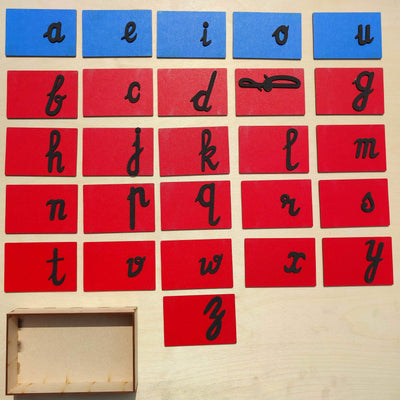
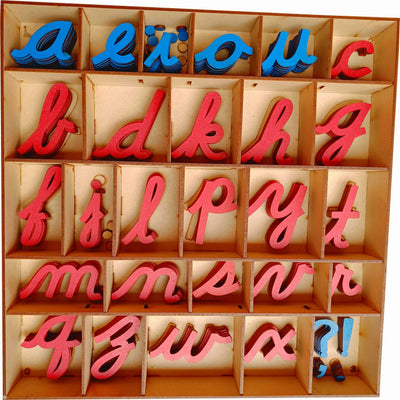
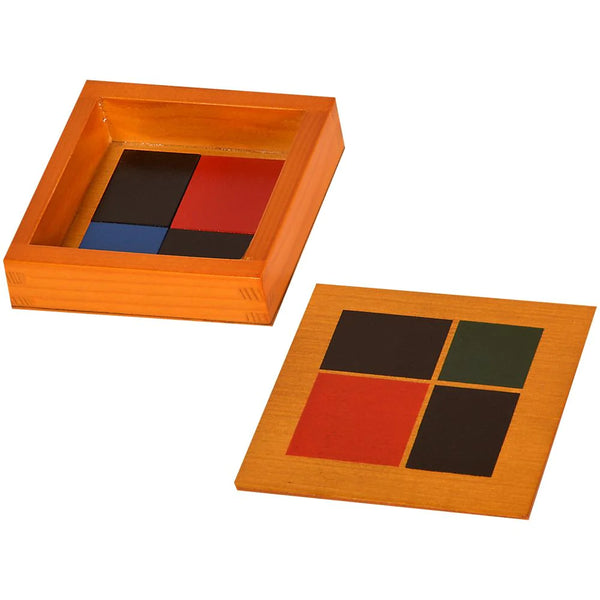
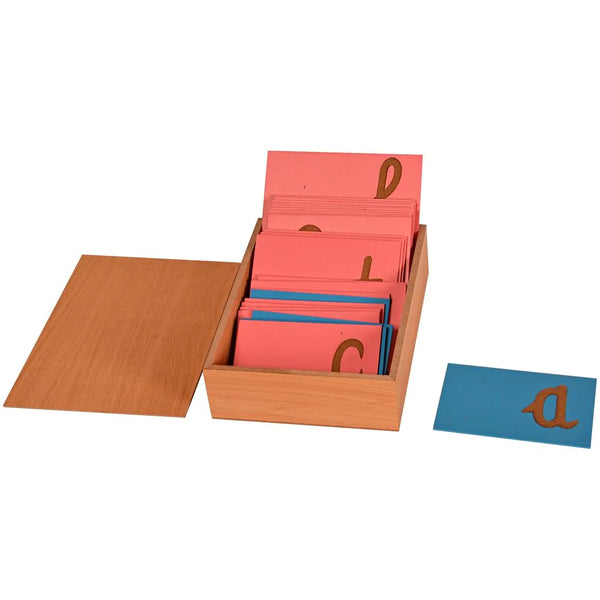
At four, refining fine motor skills is paramount, preparing young hands for writing, drawing, and self-care. Montessori-aligned wooden blocks and construction sets, like stacking blocks or intricate puzzles, challenge a child’s dexterity and hand-eye coordination in a satisfying way.
Observing a child like Kabir in Chennai meticulously building a tower demonstrates focused attention and spatial reasoning. These activities aren't just about stacking; they teach gravity, balance, and persistence – foundational concepts that transcend the playroom and prepare them for school readiness, from holding a pencil to tying shoelaces.
Fostering Creativity and Social Skills with the Best Toys for 4-Year-Old Boys
Four-year-old boys are burgeoning storytellers, eager to explore complex social dynamics through pretend play. Open-ended toys are the catalysts for this imaginative explosion, allowing them to create their own narratives rather than following prescribed rules or linear play sequences.
Imagine a group of cousins in a joint family setting, transforming simple scarves and a pretend play kitchen set into a bustling Delhi restaurant or a bustling market scene. This collaborative play enhances language skills, emotional regulation as they negotiate roles, and problem-solving as they navigate imaginary challenges, all while building crucial social bonds.
The SkilloToys Difference: Choosing Wisely for Your Child's Future
Understanding the “why” behind a toy is empowering for parents. SkilloToys.com embraces the Montessori philosophy, offering educational toys that are not merely entertaining but scientifically designed to support a 4-year-old boy’s comprehensive development. Our materials are crafted to encourage independent exploration, concentration, and a lifelong love for learning.
By consciously selecting Montessori educational materials, you are providing your child with tools that respect their developmental stage and ignite their innate potential. Observe how your child interacts with these toys: the focused gaze, the repeated actions, the quiet concentration – these are clear indicators of profound learning taking place, building a strong foundation for their future academic and personal success.