Wooden Toys for Kids: Science Behind Natural Play Benefits
When choosing playthings for our little ones, the appeal of natural materials is undeniable, and the science behind why wooden toys for kids are so beneficial is truly fascinating. Research consistently shows that engaging with natural, simple materials fundamentally stimulates holistic child development, from sensory input to cognitive growth, providing a rich, non-toxic foundation for learning crucial for every Indian child.
Wooden toys, at their core, are multi-sensory tools that invite engagement rather than dictate it. Unlike many modern toys that often feature flashing lights, loud sounds, and prescribed functions, wooden toys demand a child's active participation. This subtle difference holds profound developmental implications, directly impacting brain architecture and skill acquisition.
The Tactile Advantage: Engaging the Senses for Deeper Learning
The journey of a child's learning begins with their senses. When a child, perhaps a two-year-old in a Bengaluru home, picks up a wooden block, they experience its unique weight, temperature, and smooth or grainy texture. This tangible, multi-sensory input – the satisfying clunk as one block lands on another, the subtle scent of natural wood, the feeling of its solid form – builds intricate neural pathways in their developing brain.
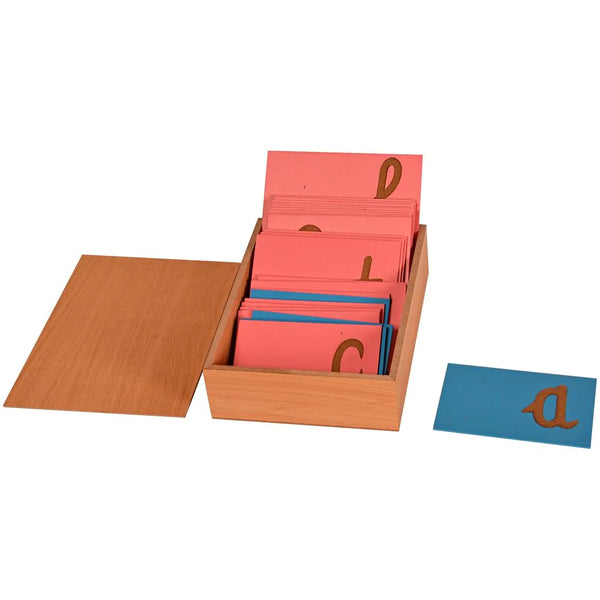
Studies indicate that rich sensory experiences are critical for cognitive development. Child development experts agree that engaging multiple senses simultaneously strengthens neural connections more effectively than single-sense input. Montessori principles, championed by Dr. Maria Montessori herself, emphasize this with materials like the Pink Tower or sandpaper letters, where children learn through direct, tactile interaction, refining their discrimination skills without external distractions.
Fostering Cognitive Growth: Open-Ended Play & Problem-Solving
One of the most profound benefits of natural toys for kids is their open-ended nature. A simple wooden block can be a car, a phone, a building, or a piece of food. This lack of a prescribed function compels a child to generate their own ideas, narratives, and solutions, actively engaging their imagination and critical thinking skills. This internal mental effort is a powerful driver of cognitive growth.
Conversely, many electronic toys provide pre-determined outcomes, reducing the need for a child to imagine or problem-solve. Research from institutions like the Harvard Center on the Developing Child highlights that open-ended play is vital for developing executive functions such as planning, working memory, and cognitive flexibility. For a five-year-old like Aarav in a joint family in Mumbai, building a sprawling city with wooden blocks means negotiating space, balancing structures, and envisioning an entire world, skills far more complex than pressing a button for a pre-programmed response.
Durability & Safety: A Foundation for Consistent Development
The inherent durability of wooden educational toys offers a stable and consistent platform for development. Unlike plastic toys that can easily break or lose pieces, well-crafted wooden toys withstand years of active play, often passed down through generations within Indian families, just like beloved family stories or traditional recipes. This longevity ensures continuous learning opportunities without interruption or the need for frequent replacements.
Beyond durability, the natural, non-toxic nature of wood provides a crucial safety advantage. Parents are increasingly concerned about plastics, BPAs, and phthalates in children's products. Natural wood, when sourced responsibly and finished with child-safe paints or oils, eliminates these worries, making wooden toys a safe choice for even the youngest babies who explore the world by mouthing objects. This peace of mind allows children to explore freely, an essential component of self-directed learning.
Promoting Emotional & Social Skills Through Simplicity
The simplicity and aesthetic appeal of wooden toys also play a vital role in emotional and social development. Their calm, inviting presence reduces the sensory overload often associated with modern playrooms, promoting focus and sustained attention. When a child is absorbed in stacking a tower of wooden rings, they are not only refining fine motor skills but also developing concentration and perseverance – crucial emotional regulation skills.
Furthermore, simple wooden toys encourage collaborative play. Watching children like 3-year-old Diya and her older cousin build a complex structure with wooden blocks, negotiating roles, sharing pieces, and managing the occasional collapse, showcases the development of vital social skills: cooperation, turn-taking, communication, and empathy. These interactions, driven by the open-ended nature of the toys, lay the groundwork for strong interpersonal relationships.
Wooden Educational Toys: Montessori's Timeless Wisdom
The philosophy of Montessori education deeply resonates with the scientific benefits of wooden toys. Montessori wooden toys, such as the cylinder blocks or number rods available at SkilloToys, are not just playthings; they are precisely engineered learning tools. Each material isolates a specific concept, allowing children to learn through direct experience and self-correction.
This hands-on, self-directed approach to learning is backed by neuroscience, demonstrating that active engagement, rather than passive reception, leads to deeper understanding and retention. Indian parents, often seeking robust educational foundations, find in Montessori wooden toys a scientifically proven path to fostering independent, capable learners.
The science is clear: choosing wooden toys for kids is an investment in their holistic development. It's about providing an environment that nurtures their innate curiosity, challenges their minds, calms their senses, and builds foundational skills that will serve them long into their academic and personal journeys. So, as you curate your child's play space, consider the quiet power of natural wood to unlock their fullest potential.